Infernal fallout Costs and impacts of last year’s ‘lost summer’ due to historic wildfires continue to reverberate across the province
Read this article for free:
or
Already have an account? Log in here »
To continue reading, please subscribe:

Digital Subscription
One year of digital access for only $205*
- Enjoy unlimited reading on winnipegfreepress.com
- Read the E-Edition, our digital replica newspaper
- Access News Break, our award-winning app
- Play interactive puzzles
*First annual payment billed as $205.00 + GST for one year. This annual subscription will automatically renew at $233.00 + GST every 52 weeks (10% off the regular annual price of $259.35). Offer available to new and qualified returning subscribers only. Cancel any time.
To continue reading, please subscribe:
Add Free Press access to your Brandon Sun subscription for only an additional
$1 for the first 4 weeks*
- Enjoy unlimited reading on winnipegfreepress.com
- Read the E-Edition, our digital replica newspaper
- Access News Break, our award-winning app
- Play interactive puzzles
*Your next Brandon Sun subscription payment will increase by $1.00 and you will be charged $17.95 plus GST for four weeks. After four weeks, your payment will increase to $24.95 plus GST every four weeks.
Read unlimited articles for free today:
or
Already have an account? Log in here »
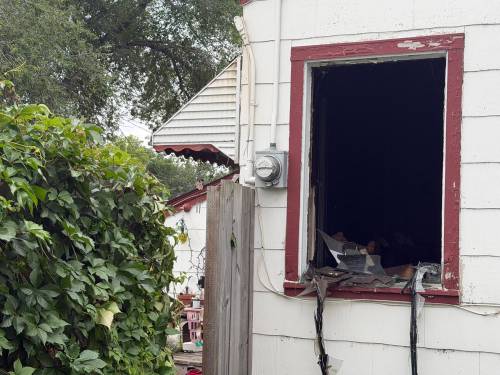
A little more than a year ago, during a time usually marked by lingering snowbanks and the first hints of spring, parts of Manitoba were engulfed in flames.
An early heat wave on the heels of several months of drought combined to produce ideal conditions for spring wildfires.
Within days, the province was at the epicentre of what would become the second-worst wildfire season in Canadian history.
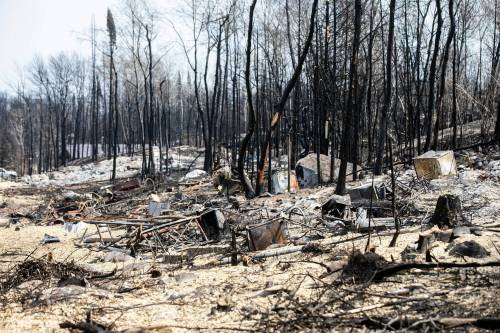
Between May and August, fires tore through 2.3 million hectares, decimated provincial parklands and forced more than 33,000 residents out of their homes. Two people died; at least one firefighter was severely injured.
The scale of the disaster was unprecedented — so were the costs.
An analysis by the Free Press/The Narwhal found at least $500 million in expenses directly attributable to the wildfires — costs tied to emergency response, evacuations, infrastructure damage, shuttered businesses, lost homes and much more. Yet, the true cost will never be known, as the impacts are far-reaching, far less tangible and likely far, far higher.
But the tangible costs are many: wildfires scorched the provincial economy, burning through hundreds of millions in public funds, searing the bottom lines of many private businesses and taking a heavy toll on thousands of families’ finances.
Manitoba’s 2026 budget revealed some of these costs. In 2024-25, government emergency expenditures — a fund in place to cover unplanned costs related to fires, flooding and other natural disasters — hit $383 million. Nearly all of that, $375 million in government expenditures, is attributable to wildfires, seven times more than what was budgeted.
To put that figure in perspective, the combined operating budgets of the Environment and Climate Change Department ($117 million) and the Department of Natural Resources ($147 million) totalled $264 million, meaning Manitoba spent 42 per cent more on emergency wildfire expenses last year.
The Manitoba government said in a statement a full picture of wildfire costs won’t be available until public accounts are released in September — after the next wildfire season has passed.
The statement described last year’s fires as “generational in nature,” but experts warn many of the same fire-prone conditions are still present and that weather conducive for wildfires is expected to be the norm in the future.
The provincial budget’s risk outlook acknowledges that threat: “If similar conditions persist in 2026 — with climate change contributing to more frequent extreme weather events such as droughts — the province could face continued risks to employment, labour displacement, reductions in tourism and agricultural output and overall economic performance.”
Despite that, Manitoba’s $50-million emergency expenditure budget remains unchanged for 2026. The government said it is “a sizable emergency expense contingency,” while also noting there’s been an increase in funding for wildfire preparedness, prevention and emergency management.
The government has earmarked more than $4.5 million in new funding for additional seasonal firefighter positions and emergency-management staff, upgraded weather and fire-mapping tools, and aerial firefighting services.
Another year of devastating wildfires could further strain an economy navigating several stressors at once. Beyond the direct costs linked to firefighters, air tankers and evacuation support, natural disasters have indirect costs that ripple throughout the economy.
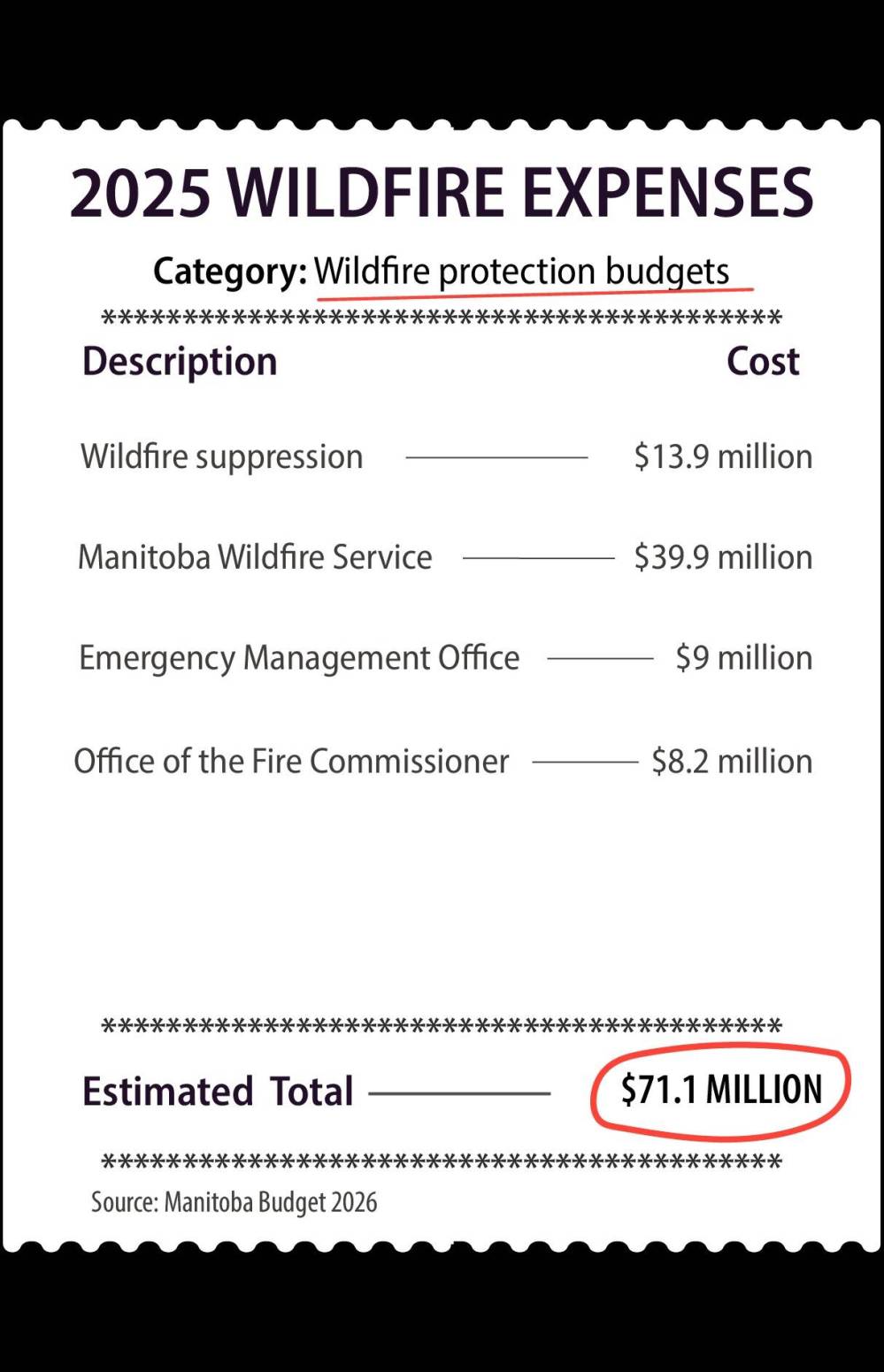
In 2025, the province spent about $70 million across four departments to manage the emergency wildfire response, including on fire-suppression equipment, provincial firefighters and emergency-management teams.
That’s expected to increase this year as the province aims to hire another 19 emergency firefighters, four conservation workers and 15 emergency-management personnel.
However, the budget for wildfire suppression — just under $14 million — has been relatively unchanged since 2022, even as Canada experienced two of its worst-ever fire seasons in 2023 and 2025.
Two years earlier, in 2020, the wildfire-suppression budget was more than double what it is today, at just under $30 million.
As for staff, the Manitoba Government and General Employees’ Union, which represents members of the province’s wildfire service, released a report in December that noted 64 fire ranger positions and 25 per cent of wildfire division positions were vacant when the fire season began.
“Our staffing levels are (19)70s, (19)80s levels — not current,” one staff member told the union.
While the union has applauded this year’s five per cent increase to the conservation and wildfire service budget, it noted a full complement of staff with adequate training, equipment and compensation (Manitoba firefighters earn the second-lowest hourly wage in the country) could help mitigate the growing risks associated with wildfires.
“The 2025 fire season was not an outlier, but the new normal as the impacts of climate continue to wreak havoc on communities and natural areas,” the report said.
The severity of the fire season last year — combined with the depleted complement of firefighters — meant Manitoba needed significant out-of-province support to battle the summer blazes.
Manitoba brought in more than 250 personnel, both from Parks Canada and from the provincial fire teams of Alberta, British Columbia, Quebec, Nova Scotia, New Brunswick and Prince Edward Island. The province also hosted another 250 firefighters from the United States, 200 from Mexico, 40 from France and 65 from New Zealand and Australia.
The province did not provide a breakdown of its payments to other jurisdictions.
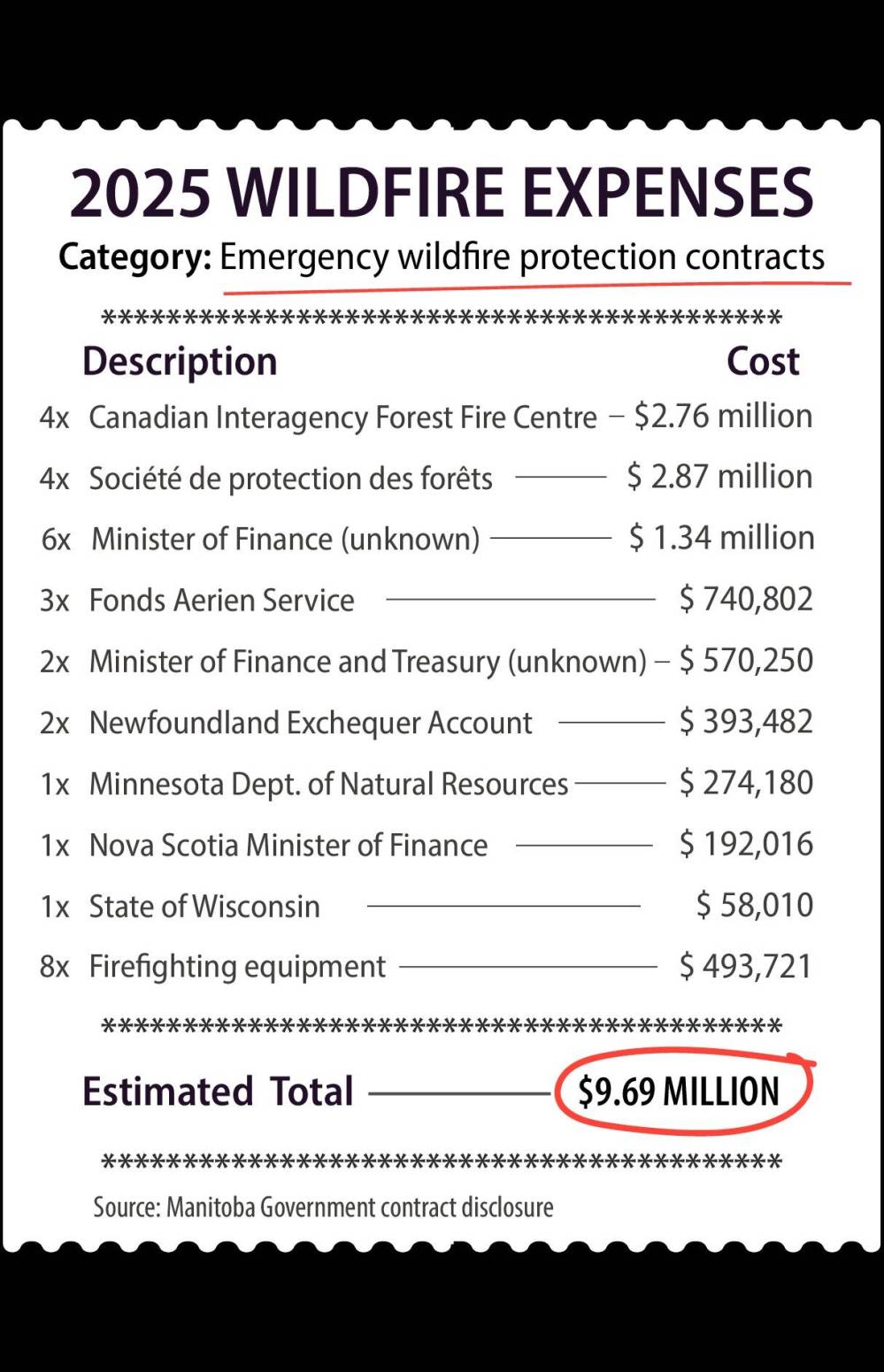
The Free Press/The Narwhal reviewed publicly disclosed provincial government contracts valued at more than $10,000 and labelled: “Emergency services related to forest fires.” The review found 20 contracts worth a combined $6.5 million that were inked with other governments.
The Société de protection des forêts contre le feu, a non-profit fire protection agency based in Quebec, received about 40 per cent of those funds. The agency sent more than 150 firefighters from Quebec and France, as well as provided logistics support, through June and July. While Manitoba’s records show contracts totalling $2.8 million, the agency’s annual report indicates it billed Manitoba for more than $5.1 million in 2025. This suggests some out-of-province payments are not yet recorded in Manitoba’s contract records.
The province also paid $2.7 million to the Winnipeg-based Canadian Interagency Forest Fire Centre, which co-ordinates the sharing of firefighting resources across Canada, and helped mobilize aircraft and international personnel to fight the Manitoba blazes, according to a statement from the centre. Manitoba also recorded eight contracts worth just under $500,000 for “other firefighting equipment.”
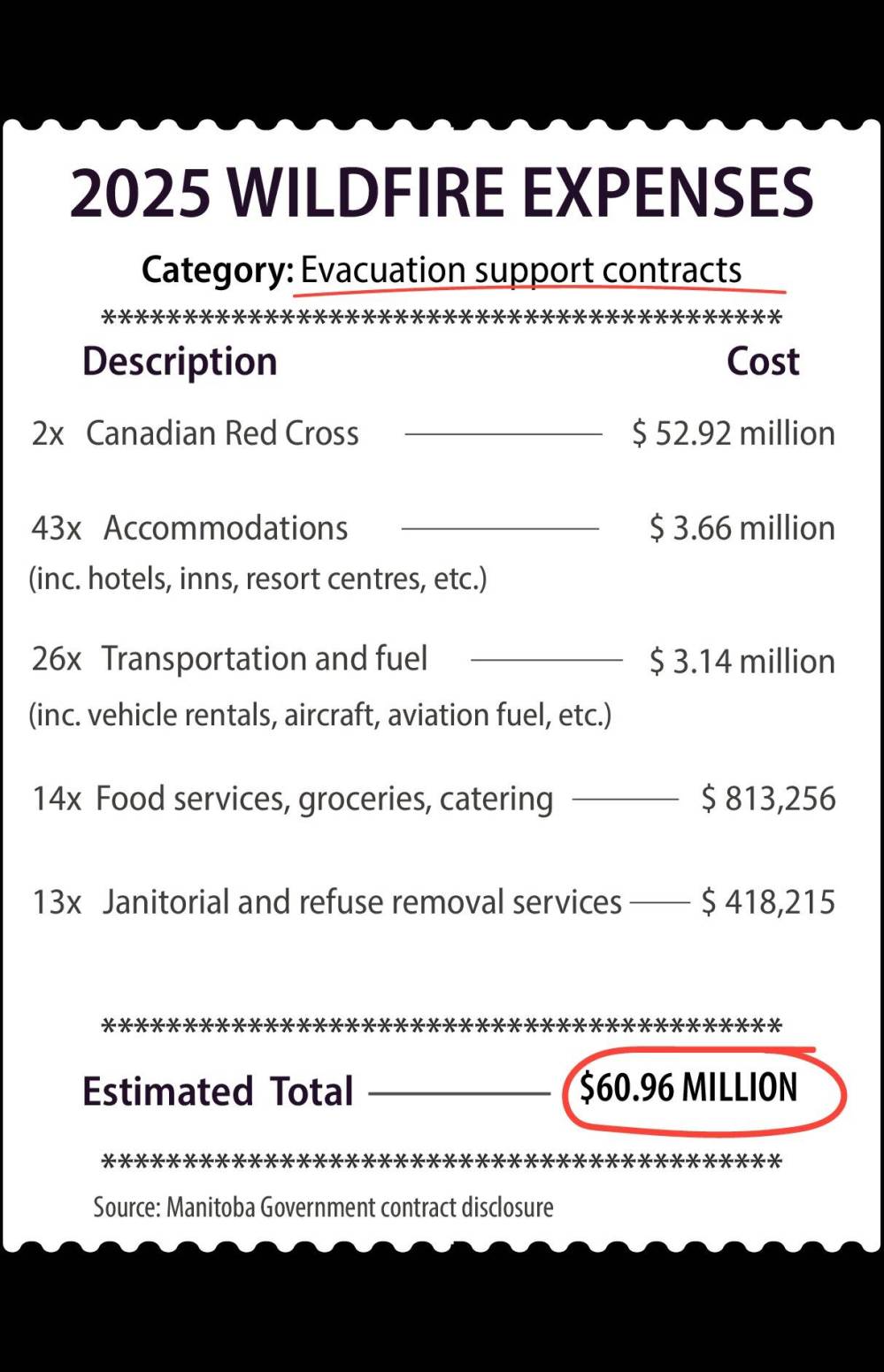
Last summer’s fires resulted in “one of the largest evacuation operations in Manitoba’s history,” the province’s recently released interim review of the wildfire season states.
Consider the numbers: 59 communities impacted, more than 33,000 residents evacuated, including 4,100 air evacuations by the Canadian Armed Forces and 2,300 people temporarily relocated outside the province.
Both the Canadian and American Red Cross were called on to support evacuations; many evacuees lived in congregate shelters in Winnipeg, Thompson, Winkler and Portage la Prairie after hotels became overwhelmed.
These evacuations, some of which lasted several weeks, others months, took an unprecedented toll. Evacuees suffered mental-health impacts owing to the fear, uncertainty and stress of being separated from their family and homes, many missed school and work, or were forced to close their businesses. First Nations evacuees, particularly those from remote northern communities, reported additional strain as they were relocated to urban environments, isolated from familiar foods, community and culture.
Not all of these impacts can be quantified, but will nonetheless have long-lasting effects on many Manitoba communities.
The financial responsibility for evacuee support is spread across federal, provincial and local governments, with Indigenous Services Canada responsible for evacuations involving First Nations, and the federal government providing disaster financial assistance to affected municipalities. According to the interim review, nine disaster financial assistance payments have been made thus far, totalling $3.4 million.
While the province did not specify how much of the $375-million emergency expenditure was earmarked for evacuees, government contracts show Manitoba spent upwards of $60 million on accommodations, food, transportation and other evacuation support.
Most of that money — $53 million — was paid to the Canadian Red Cross, which helped lead evacuations. These payments do not include the Red Cross’s work with Manitoba First Nations, which is paid for by Indigenous Services Canada.
MIKAELA MACKENZIE / FREE PRESS FILES More than 33,000 residents were forced out of their homes last year owing to wildfires.
Contracts show approximately $4 million in space rental and cleaning fees, including a $1.7-million contract with Canad Inns, and 40 other contracts with hotels, inns and resort centres across Manitoba and northwestern Ontario, where some evacuees were sheltered.
Catering, groceries and other food bills amounted to $813,000, while the tab for airplanes, cars, fuel and other transportation needs was more than $3 million.
Evacuations are particularly challenging for residents living in hospitals and personal care homes, or receiving regular medical care, such as dialysis. According to Shared Health, Manitoba’s provincial health authority, the Flin Flon hospital was evacuated in May, as were personal care homes in Flin Flon, Lynn Lake and Thompson.
“The evacuation in the north was the biggest the province has seen,” Shared Health wrote in a May 2025 press release.
Those patients were transported either by commercial, chartered or, in some cases, individual medevac flights, said Jessica Davis, who served as the provincial air ambulance manager for Shared Health through the 2025 wildfire season.
Medevac flights cost between $10,000 and $20,000 each way, she said, while commercial medical flights range in price between $50,000 and $60,000.
Shared Health has not yet compiled the final figures, but it estimates more than 100 patients were evacuated from hospitals and personal care homes in northern communities. While some of the evacuation costs were shared with the federal government, Kristyn Ball, director of patient flow, noted at least one health-care facility sustained “significant damage,” and many others were costly to shut down and start up again during the evacuations. Davis emphasized the overtime accrued by health-care staff added to evacuation costs.
Governments typically absorb the bulk of natural-disaster costs, spreading the economic impacts across multi-billion-dollar budgets. For homeowners in the fire’s path however, the impacts are acute.
According to the Insurance Bureau of Canada, insurers handled several thousand claims related to Manitoba wildfires last year, the majority of which came from homeowners.
In the wake of a natural disaster, Canada’s insurance companies navigate an influx of claims, ranging from “the worst, which is when people have lost everything,” to claims for evacuation-related expenses like hotel rooms and rental cars, said Aaron Sutherland, the bureau’s Pacific and Western region vice-president.
When the sum of insurance claims reaches $30 million, the industry conducts surveys to estimate the total recovery costs. The fires in the Flin Flon and Lac du Bonnet regions both met those thresholds, Sutherland said.
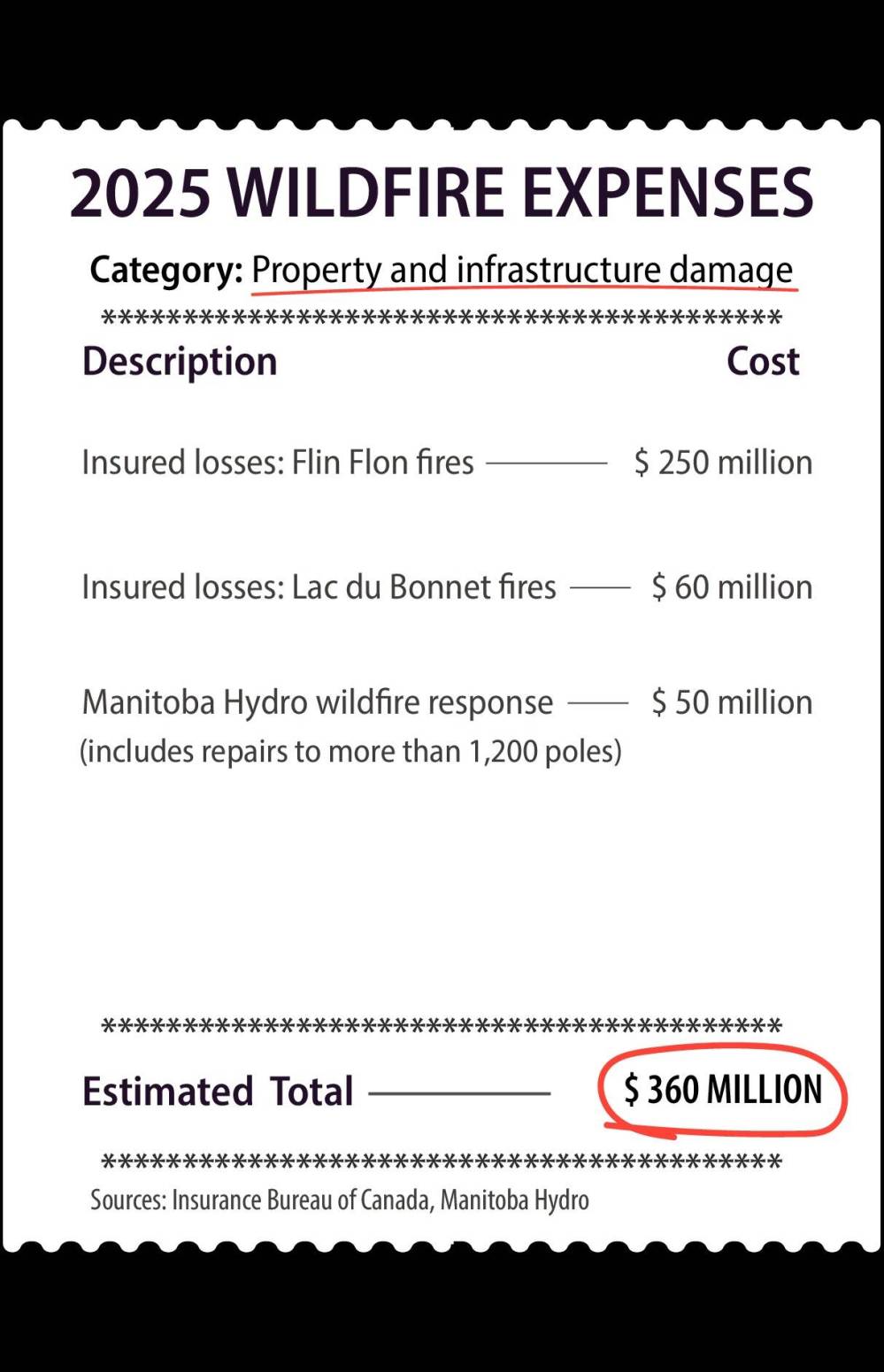
Estimates compiled in September pegged insured damages from the Flin Flon and Lac du Bonnet fires at $250 million and $60 million respectively. Those numbers are expected to be updated as the one-year mark approaches.
While these estimates help form a picture of the individual costs to rebuild after a fire, they’re only part of the picture. About 90 per cent of Canadians have some form of property insurance; those without may incur steep losses that are neither recoverable or tracked.
MIKAELA MACKENZIE / FREE PRESS FILES Between May and August, fires tore through 2.3 million hectares of Manitoba.
“There’s a real human toll to these events as well,” Sutherland said. “If you’re in the unfortunate situation where you have lost everything, that has a massive impact on your life. Even if you’ve got your insurer there to help you begin to put those pieces back together, you’re looking at belongings, mementoes, pictures, things like that, that you may never get back, and it’s absolutely devastating.”
Even for those whose personal property is unscathed, damage to wider infrastructure can have knock-on effects.
Last year’s fires damaged more than 1,200 Manitoba Hydro poles, interrupting electrical service in several communities. Five generating stations were temporarily shut down or evacuated — the first time the utility has ever evacuated its power infrastructure — leading to about 70 megawatts of lost generating capacity.
In addition to power interruptions, “telecommunications disruptions affected multiple communities, boil-water advisories were issued and postal and other essential services were suspended in several areas,” the interim review notes.
According to a statement from the Crown utility, 1,500 customers were affected by power outages, “including some communities where the outages lasted for weeks or months.”
Hydro estimates the wildfires cost the utility approximately $50 million between infrastructure repairs, emergency-response crew wages and service interruptions.
“(It) was without doubt the most impactful wildfire season in Manitoba Hydro’s history, in terms of the number of assets impacted, employees involved in wildfire response, and communities impacted by power outages,” said Peter Chura, Hydro’s media relations officer.
Meanwhile, the increasing frequency of wildfires, severe floods and other natural disasters is causing concern for the insurance industry. In time, it could lead to increased premiums as insurers look to balance growing recovery costs.
“Insurers, for a long time, have been a bit of a canary in the coal mine,” Sutherland said.
“We are trending in the wrong direction in terms of the cost of these types of events. It’s a clear indication of the need for us, as a society, to improve our resilience.”
Insured damages from weather-related disasters totalled $14 billion nationwide between 2006 and 2015. In the decade since, that total has more than doubled to $37 billion, according to the insurance bureau. The average number of claims has doubled, too.
“Insurance price is risk; that risk is growing. If we want to see a more affordable insurance marketplace, we have to take action to begin to reduce the risk facing communities, facing our properties and facing our families,” Sutherland said.
In 2025, Natural Resources Canada released a research paper outlining a method to estimate the direct and indirect costs of extreme wildfires, acknowledging there are “numerous gaps” in the current understanding of socioeconomic impacts.
The study notes it can take several months to fully understand how wildfires have impacted regional economies as business disruptions, lost opportunity costs and the impacts of ecosystem loss ripple through industries.
Natural-resource sectors including mining and forestry, as well as local tourism economies, tend to be most directly impacted by wildfires. For communities in the north, these industries are often the backbone of the local economy.
Last June, Statistics Canada estimated the potential economic disruption from the 2025 wildfires, and found 2.4 per cent of Manitoba’s GDP, including one quarter of the northern region’s economy, was at risk of fire-related disruption — the largest share of any province.
The fires that tore through the eastern portion of the province forced several popular provincial parks to remain closed throughout the busiest season.
While it’s still too early to pinpoint the exact impact the 2025 wildfires had on visitation and revenue (numbers will be available in August), Travel Manitoba conducted an internal survey of tourism operators last summer to gauge the scope of the impacts, said chief operating officer Angela Cassie.
A little more than half of tourism operators — lodges and outfitters, campgrounds, festivals and outdoor recreation services, restaurants and transportation — reported cancellations, Cassie said.
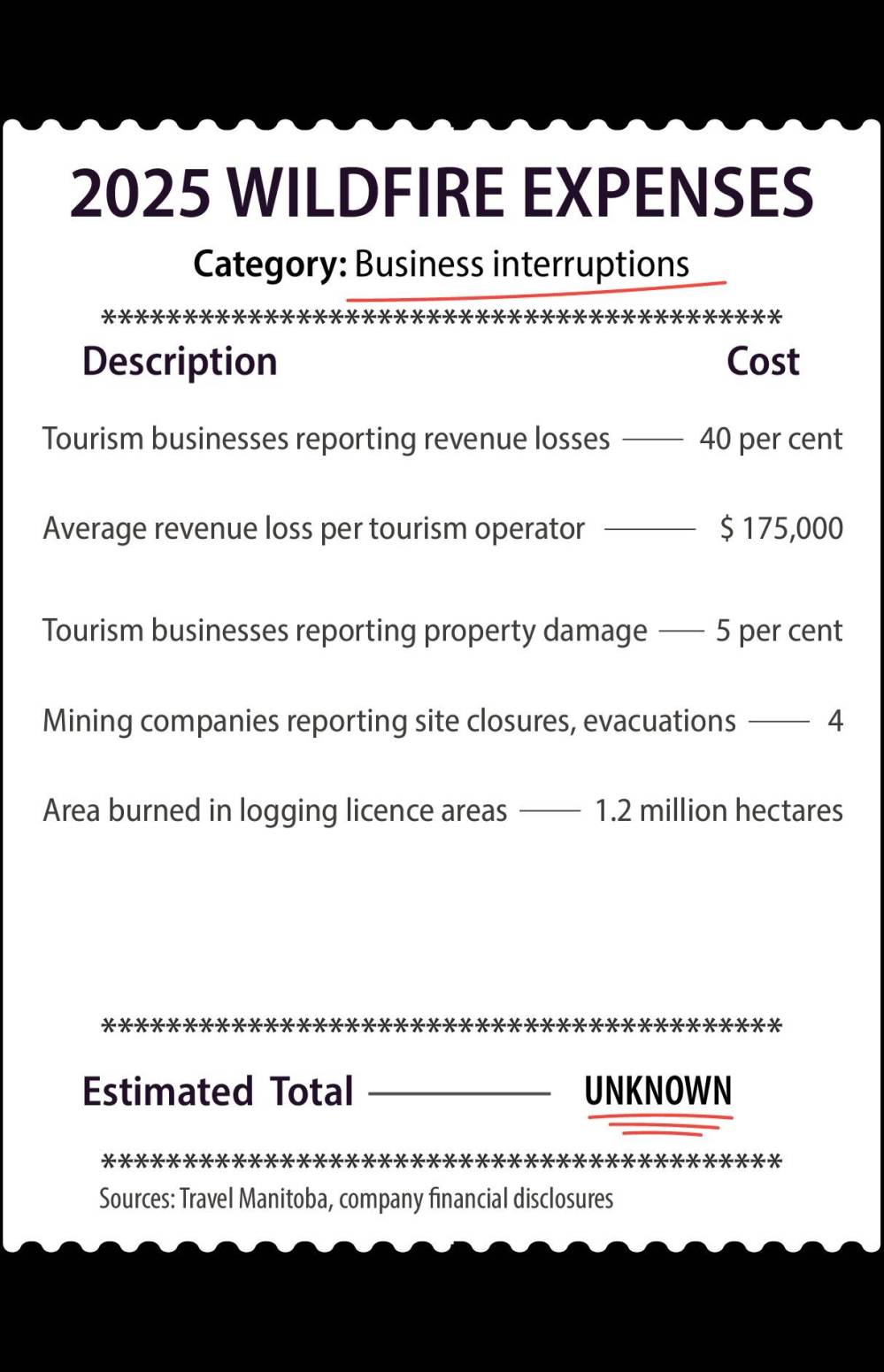
Forty per cent reported lost revenue due to decreased visitation and 18 per cent had to close their businesses entirely for mandatory evacuations, she added.
Impacted businesses reported average revenue losses of about $175,000.
“The earnings from that summer season often sustains their businesses all year,” Cassie said. “A lot of them are looking at the summer of 2025 as a lost summer.”
For some businesses, the impacts will extend far beyond one season of depleted revenues. Five per cent reported damaged or lost property as a result of the fires, while others lost habitat, which could impact future bookings.
One in 10 tourism operators reported mental-health challenges in response to the crisis, Cassie said.
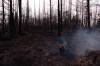
MIKAELA MACKENZIE / FREE PRESS FILES Cabins destroyed by wildfire on Wendigo Road near Lac du Bonnet in May 2025.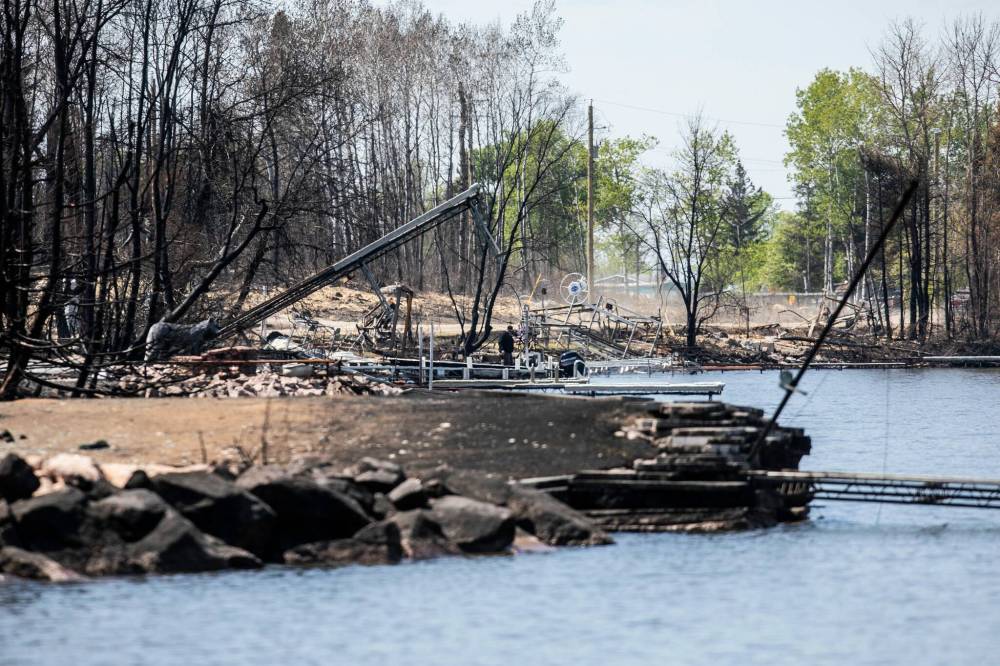
The high-profile nature of last year’s wildfires had an impact too. As Manitoba declared province-wide states of emergency, countries in Europe, for example, warned travellers of the risks of visiting Manitoba. As the province worked to shelter tens of thousands of evacuees, Premier Wab Kinew asked tourists to avoid booking hotel rooms.
“There’s the physical loss because of cancellations or just people not booking last year, but then are you losing people who are maybe now choosing other locations for the summer and not choosing Manitoba,” Cassie said.
Travel Manitoba is on a mission to “earn that business back” with a $1.35-million marketing campaign. The industry group has earmarked an additional $1.35 million for a wildfire assistance program that will cover up to 90 per cent of the cost of fire prevention equipment (such as sprinklers, hoses and water pumps) and training.
“This year will be really important for a lot of (businesses). They’ve come through this winter extremely lean, so this summer is going to be extremely important,” Cassie said.
The province’s mining industry was impacted, too, with at least four companies reporting shutdowns, evacuations or delays related to the wildfires.
The Tanco lithium mine in eastern Manitoba was evacuated in early May. Hudbay’s Snow Lake operation was shut down for seven weeks in July and August, incurring more than US$4 million in costs, according to the company’s financial reporting. Grid Metals’ Makwa facility was shuttered for several months, from early May until late July, and was only able to complete one day of field work in the second quarter.
Alamos Gold, near Lynn Lake, was investigated in connection with a major fire in the region, after a burn pile reignited at the MacLellan mine site.
The company was forced to evacuate, delaying the ramping up of construction on a new mine and contributing to a 48 per cent increase in capital funding for the project, according to the company’s latest quarterly report.
Mining companies also contributed to evacuation and firefighting efforts in the communities where staff live and work, and donated a combined $1.25 million to the Red Cross relief effort.
While impacts to Manitoba’s forestry industry are not yet tabulated, analysis of fire boundaries shows 1.2 million hectares of the province’s logging licence areas burned — about 10 per cent of Manitoba’s regularly harvested forests.
According to the province’s economic development council, “wildfires lead to reduced supply, processing shutdowns and volatile price swings” for the forestry industry. The 2023 wildfires prompted a 20 per cent dip in June and July lumber production compared to the previous five-year average, according to a report from the Canadian Climate Institute.
“Whole regions now have nothing but young trees. There’s nothing to harvest,” B.C.-based wildfire researcher Bob Gray said last October.
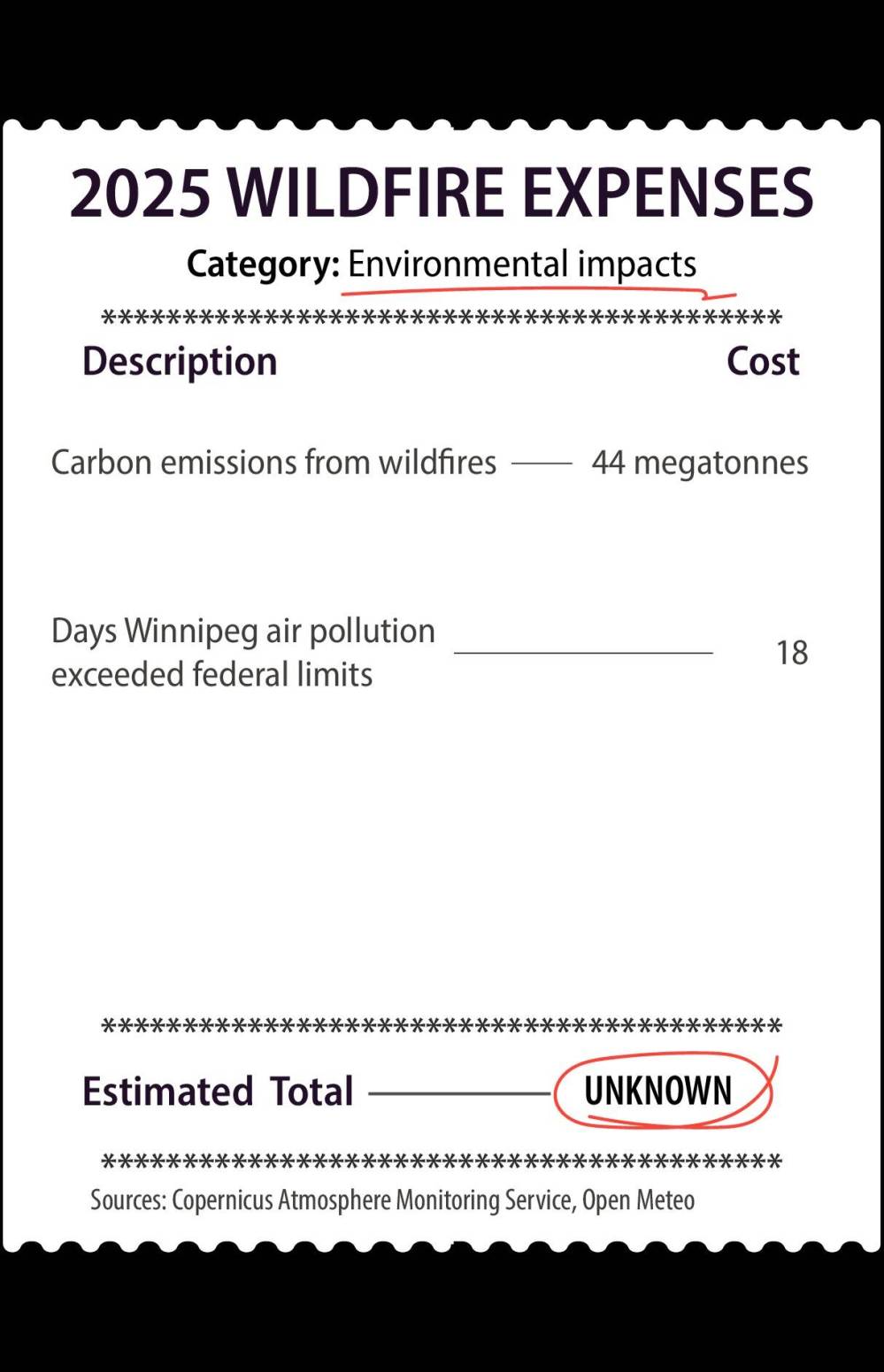
The costs compiled here represent only a portion of the long-term economic impacts wildfires will have on Manitoba’s economy. It will take several months for government agencies and private companies to finish taking stock of the damage; some losses will never show up in financial records or industry reports.
For example, communities are left to clean up debris, remediate damaged sites and conduct inspections; these costs can be difficult to tabulate, according to the federal government’s report on the economic impacts of wildfires.
Other indirect impacts are unlikely to be formally tied to the 2025 fires, making them challenging to capture when calculating the costs of a natural disaster.
The Manitoba wildfires released a total of 44 megatonnes of cumulative carbon emissions by mid-summer — a provincial record — according to data from the Copernicus Atmosphere Monitoring Service, part of the European Union’s environmental monitoring program. That’s equivalent to two years of Manitoba’s annual, human-caused emissions.
“As a result, smoke plumes repeatedly blanketed large parts of Canada and North America, and on several occasions travelled across the Atlantic, reaching western, central and eastern Europe,” the Copernicus report said.
Wildfire smoke increases risk of respiratory and cardiovascular illness, putting long-term strain on health-care systems.
A Health Canada study published in 2024 estimates that between 2013 and 2018, air pollution from wildfire smoke contributed to 240 deaths from short-term exposure and 2,500 from long-term exposure, and generated annual health-care costs between $4.7 and $20 billion.
There were 18 days between May and October last year where Winnipeg’s daily average concentration of fine particulate matter — one way to measure wildfire pollutants — exceeded federal limits of 27 micrograms per cubic metre. The average concentration peaked at 57 micrograms per cubic metre in early June.
Only nine days exceeded federal limits in Winnipeg amid Canada’s worst-ever wildfires in 2023.
The trauma of fires, evacuations and destruction will also have far-reaching mental-health impacts for affected communities and the front-line workers responding to the crisis.
“The mental-health support part of the (health-care) system is one that’s required long after the fire is out,” said Jeff Martin, director of emergency and continuity management for Shared Health.
With its interim review, Manitoba has started to strengthen its wildfire preparedness and response systems across several government departments. In addition to financial investments to boost emergency staffing and firefighting resources, the province plans to improve evacuee support with more culturally-responsive services, smoother registration procedures, more-robust financial support and a boost in assistance geared at vulnerable populations. It plans to streamline its overall emergency-funding process, update its wildfire-response guidelines, and improve co-ordination and communication between agencies and jurisdictions.
“We were as prepared as we could possibly have been for a season like we had,” said Lisa Naylor, the minister responsible for the Emergency Management Organization, at a news conference this week for the release of the interim report.
“We hope we won’t see a season like that this year and, at the same time, we’re going to be even more prepared.”
julia-simone.rutgers@freepress.mb.ca

Julia-Simone Rutgers is the Manitoba environment reporter for the Free Press and The Narwhal. She joined the Free Press in 2020, after completing a journalism degree at the University of King’s College in Halifax, and took on the environment beat in 2022. Read more about Julia-Simone.
Julia-Simone’s role is part of a partnership with The Narwhal, funded by the Winnipeg Foundation. Every piece of reporting Julia-Simone produces is reviewed by an editing team before it is posted online or published in print — part of the Free Press‘s tradition, since 1872, of producing reliable independent journalism. Read more about Free Press’s history and mandate, and learn how our newsroom operates.
Our newsroom depends on a growing audience of readers to power our journalism. If you are not a paid reader, please consider becoming a subscriber.
Our newsroom depends on its audience of readers to power our journalism. Thank you for your support.
Related Articles
Province as prepared for devastating 2025 wildfires as it could have been: NDP




History
Updated on Friday, April 24, 2026 9:12 AM CDT: Corrects percentage to 42 per cent
Updated on Friday, April 24, 2026 10:54 AM CDT: Corrects reference to total insured damages