Nursing grad hopes to drive change for Indigenous patients
Advertisement
Read this article for free:
or
Already have an account? Log in here »
To continue reading, please subscribe:

Digital Subscription
One year of digital access for only $205*
- Enjoy unlimited reading on winnipegfreepress.com
- Read the E-Edition, our digital replica newspaper
- Access News Break, our award-winning app
- Play interactive puzzles
*First annual payment billed as $205.00 + GST for one year. This annual subscription will automatically renew at $233.00 + GST every 52 weeks (10% off the regular annual price of $259.35). Offer available to new and qualified returning subscribers only. Cancel any time.
To continue reading, please subscribe:
Add Free Press access to your Brandon Sun subscription for only an additional
$1 for the first 4 weeks*
- Enjoy unlimited reading on winnipegfreepress.com
- Read the E-Edition, our digital replica newspaper
- Access News Break, our award-winning app
- Play interactive puzzles
*Your next Brandon Sun subscription payment will increase by $1.00 and you will be charged $17.95 plus GST for four weeks. After four weeks, your payment will increase to $24.95 plus GST every four weeks.
Read unlimited articles for free today:
or
Already have an account? Log in here »
A Cree student who graduated from the University of Manitoba nursing program said she’s striving to make the health-care system a more welcoming place for Indigenous patients.
Kaydence Morgado Thomas, who was raised in Winnipeg and has ties to Norway House Cree Nation, officially graduated from the UM Pathways to Indigenous Nursing Education program earlier this month.
She is set to begin work at Health Sciences Centre next month and will pick up shifts at Percy E Moore Hospital in Hodgson, whose patients also come from Peguis First Nation and Fisher River Cree Nation.
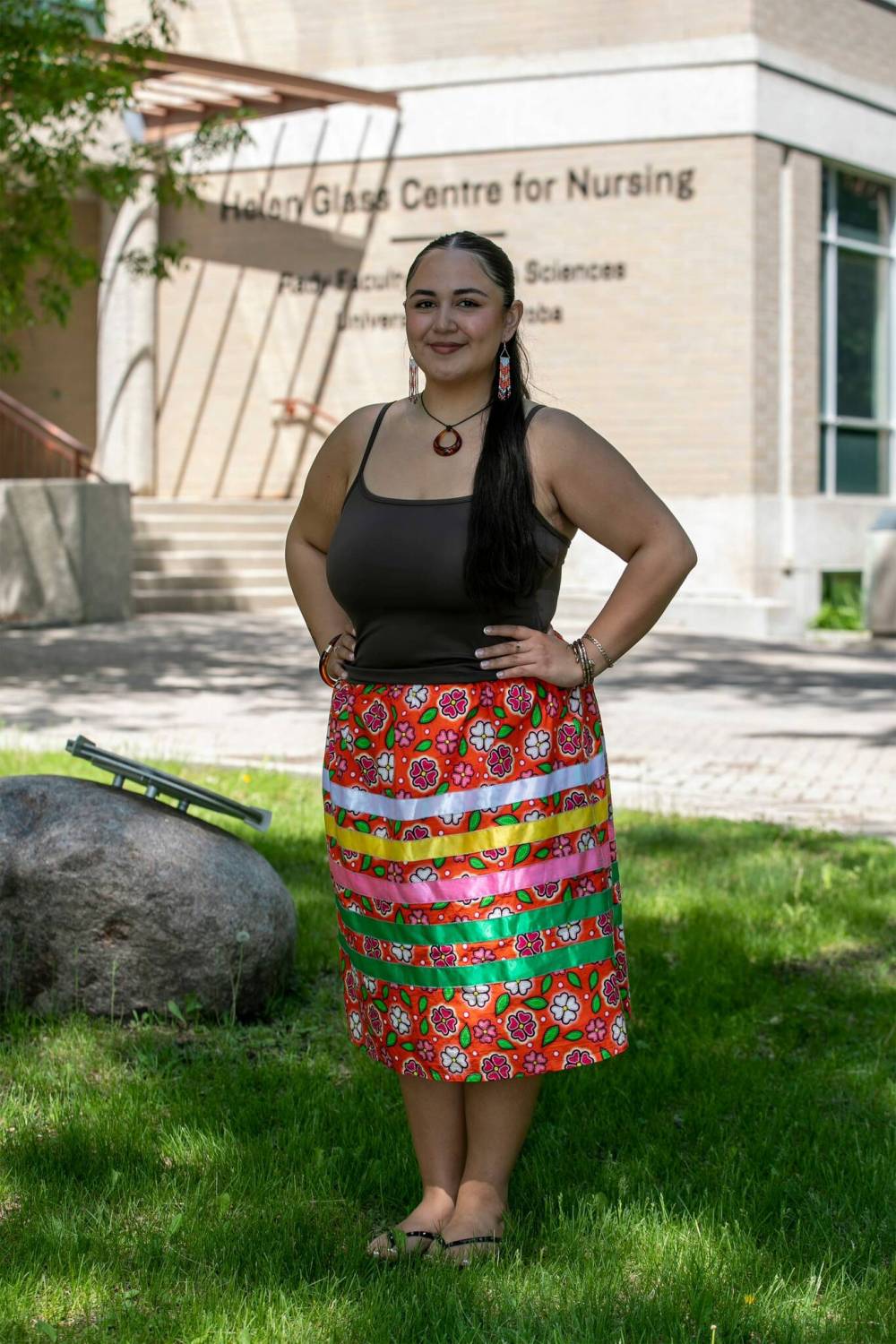
“I want to create an environment where patients feel respected and valued,” said Morgado Thomas.
She said she decided to become a nurse while working for child and family services after she graduated from high school, where she’d look after children and provide support to families.
Morgado Thomas said some health-care workers may forget about cultural healing practices such as smudging, traditional medicine and access to elders that could aid in patient recovery.
She said she believes more needs to be done to teach nurses about traditional Indigenous healing practices and the impact of colonization.
Morgado Thomas said she hopes to make a difference by educating other nurses and connecting with patients through shared experiences and cultural healing practices. She also said more Indigenous health-care workers are needed.
“I think representation in health care is important, so Indigenous people have someone who recognizes their cultural background,” said Morgado Thomas.
Statistics Canada data from 2024 found 14.4 per cent of Manitoba health-care workers identified as Indigenous.
Morgado Thomas said more programs like the one she took at UM would help Indigenous youth get into health care.
“I wouldn’t be here without the PINE program,” she said.
“I think representation in health care is important, so Indigenous people have someone who recognizes their cultural background.”

She said she also received financial support from Norway House that paid for her tuition. Even with the extra help, she still faced challenges throughout her four-year journey in nursing school.
Morgado Thomas said people in her family struggle with addictions and her uncle died of an overdose before she started her studies.
“Going into school after that experience was very challenging, but it also strengthened my perspective. It strengthened my motivation to pursue health care and better understand and support people and families affected by addiction.”
Morgado Thomas said finishing the nursing program is a step forward in learning and healing from her family’s trauma to set a better example for future generations.
tiago.resko@freepress.mb.ca