

Animal rescue groups shaken by advocate’s death
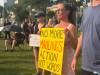
A “no more maulings” rally is planned for Wednesday in Winnipeg

Advertisement
Read this article for free:
or
Already have an account? Log in here »
To continue reading, please subscribe:

Digital Subscription
One year of digital access for only $205*
- Enjoy unlimited reading on winnipegfreepress.com
- Read the E-Edition, our digital replica newspaper
- Access News Break, our award-winning app
- Play interactive puzzles
*First annual payment billed as $205.00 + GST for one year. This annual subscription will automatically renew at $233.00 + GST every 52 weeks (10% off the regular annual price of $259.35). Offer available to new and qualified returning subscribers only. Cancel any time.
To continue reading, please subscribe:
Add Free Press access to your Brandon Sun subscription for only an additional
$1 for the first 4 weeks*
- Enjoy unlimited reading on winnipegfreepress.com
- Read the E-Edition, our digital replica newspaper
- Access News Break, our award-winning app
- Play interactive puzzles
*Your next Brandon Sun subscription payment will increase by $1.00 and you will be charged $17.95 plus GST for four weeks. After four weeks, your payment will increase to $24.95 plus GST every four weeks.
Read unlimited articles for free today:
or
Already have an account? Log in here »
A week after an animal rescue volunteer died doing what she loved at Sandy Bay First Nation, the charity she dedicated herself to has paused rescues as groups rally to prevent another mauling.
Winnipeg’s Amanda Nobiss, 37, was found dead July 17 after police were contacted by a friend trying to locate her. She often visited the community 180 kilometres northwest of Winnipeg to save animals.
Several “aggressive dogs” were found near where Nobiss’s body was located, Manitoba First Nation Police Service has said. It did not respond Friday when asked for an update on its investigation into her death.
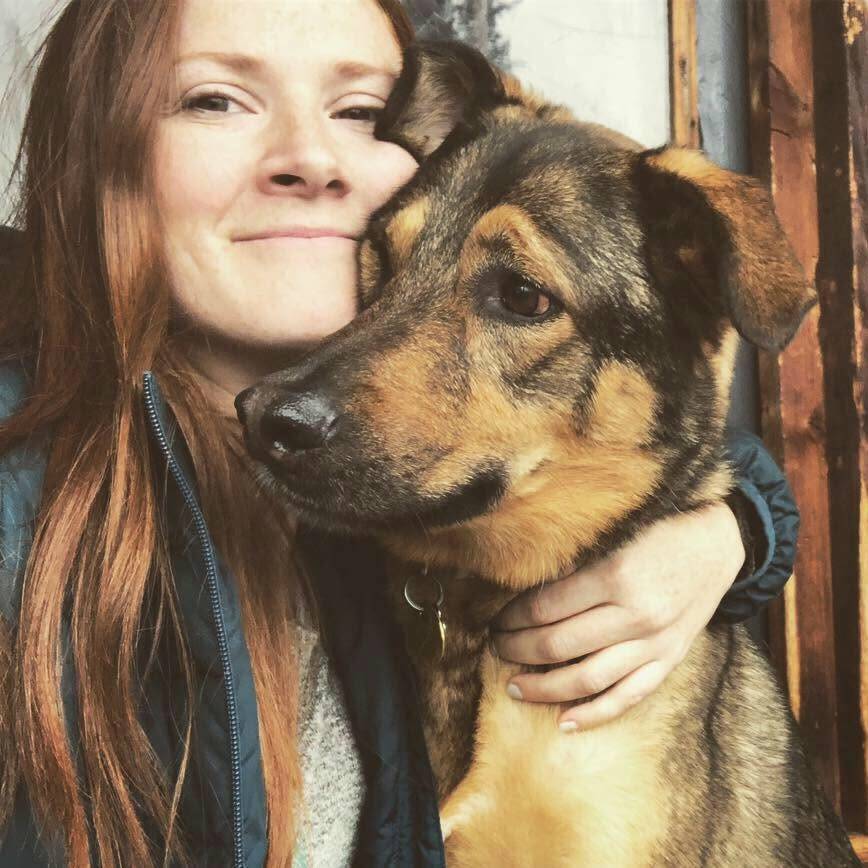
(Facebook)
Amanda Nobiss, 37, was killed July 17 in an apparent dog attack on Sandy Bay First Nation while she was volunteering with K9 Advocacy Manitoba.
“What happened is the most tragic, heartbreaking thing that could have possibly happened,” said Chelsea Kork, president of K9 Advocacy Manitoba, the charity Nobiss volunteered with.
“We’re all just volunteers doing these things because we love animals so much, and that’s what she was doing. The only volunteers who would ever go and get dogs are the ones who are super experienced.”
The group has stopped rescuing animals for now while it processes what happened.
“We’ve been begging for the government to step in and help for a decade in terms of bylaws, funding for spay and neuter clinics —the things that need to be in place for the overpopulation to get under control,” Kork said.
“I’m hoping this brings about positive change.”
A “no more maulings” rally is planned for late Wednesday afternoon outside the Manitoba legislature. A social media notice for the event hosted by Project Artemis Advocates Winnipeg and Manitoba Animal Save features a photo of Nobiss embracing a dog as it licks her face. It calls for “prevention, collaboration and change.”
The Winnipeg Humane Society said it has been collaborating with 13 First Nations through its One Health program to set up remote clinics to support animal health and care.
In 2025-2026, One Health completed 1,018 spay and neuter procedures, 1,499 vaccinations and 99 implants at remote and urban clinics, said Crystal Pariseau, director of clinic operations at the Winnipeg Humane Society.
The clinics are planned based on community requests and the capacity and resources to host them, she said in an email. Sandy Bay First Nation hasn’t invited One Health to the community.
The clinics must follow Manitoba Veterinary Medical Association bylaws and guidelines with approved equipment and temporary licence approvals to ensure patient welfare standards are met, Pariseau said.
Long-standing relationships with the chief and council ensure that repeated and sustainable clinics can be conducted, she added.
“Community engagement and education is another piece to building relationships and being able to attend a community. School presentations regarding rabies and dog body language are important.”
As for rescuing animals for adoption, the Winnipeg Humane Society’s goal is to keep people and their pets together in their community.
“We rarely bring animals to the shelter because we do not have the capacity. On occasions where there is a sick or injured stray that we do bring into care, we work to find the owner. If an owner is found, the animal is given vet care and returned home.”
Agriculture Minister Ron Kostyshyn, who’s responsible for animal health and welfare, said the province is providing funding to expand the Winnipeg Humane Society’s One Health program to remote communities across Manitoba, including southern communities and First Nations, which are a federal responsibility.

In May, Kostyshyn announced $250,000 in funding for One Health, a $100,000 increase. A new $400,000, four-year pilot project was also announced to support community-led planning and activities to improve the health of animals and people while managing dog populations.
On Friday, the minister offered condolences on Nobiss’s death.
“Although we are waiting for the results of the RCMP investigation to fully understand what happened, this was a heartbreaking tragedy, and our thoughts go out to the family, community and everyone affected by this incident,” he said.
The RCMP has deferred to the Manitoba First Nations Police Service, which has jurisdiction in Sandy Bay First Nation. It has not responded to a request for comment.
carol.sanders@freepress.mb.ca
Carol Sanders
Legislature reporter
Carol Sanders is a reporter at the Free Press legislature bureau. The former general assignment reporter and copy editor joined the paper in 1997. Read more about Carol.
Every piece of reporting Carol produces is reviewed by an editing team before it is posted online or published in print — part of the Free Press‘s tradition, since 1872, of producing reliable independent journalism. Read more about Free Press’s history and mandate, and learn how our newsroom operates.
Our newsroom depends on a growing audience of readers to power our journalism. If you are not a paid reader, please consider becoming a subscriber.
Our newsroom depends on its audience of readers to power our journalism. Thank you for your support.
Carol Sanders
Legislature reporter
Carol Sanders is a reporter at the Free Press legislature bureau. The former general assignment reporter and copy editor joined the paper in 1997. Read more about Carol.
Every piece of reporting Carol produces is reviewed by an editing team before it is posted online or published in print — part of the Free Press‘s tradition, since 1872, of producing reliable independent journalism. Read more about Free Press’s history and mandate, and learn how our newsroom operates.
Our newsroom depends on a growing audience of readers to power our journalism. If you are not a paid reader, please consider becoming a subscriber.
Our newsroom depends on its audience of readers to power our journalism. Thank you for your support.
Related Articles
‘Heartbreaking loss’: Sandy Bay First Nation offers condolences after apparent dog attack
Advertisement Advertise With Us
Advertisement Advertise With Us