

Sponsored Content
Moving Forward Together: Black Canadians Gather in Winnipeg — Angela Cassie

Advertisement
Read this article for free:
or
Already have an account? Log in here »
To continue reading, please subscribe:

Digital Subscription
One year of digital access for only $205*
- Enjoy unlimited reading on winnipegfreepress.com
- Read the E-Edition, our digital replica newspaper
- Access News Break, our award-winning app
- Play interactive puzzles
*First annual payment billed as $205.00 + GST for one year. This annual subscription will automatically renew at $233.00 + GST every 52 weeks (10% off the regular annual price of $259.35). Offer available to new and qualified returning subscribers only. Cancel any time.
To continue reading, please subscribe:
Add Free Press access to your Brandon Sun subscription for only an additional
$1 for the first 4 weeks*
- Enjoy unlimited reading on winnipegfreepress.com
- Read the E-Edition, our digital replica newspaper
- Access News Break, our award-winning app
- Play interactive puzzles
*Your next Brandon Sun subscription payment will increase by $1.00 and you will be charged $17.95 plus GST for four weeks. After four weeks, your payment will increase to $24.95 plus GST every four weeks.
Read unlimited articles for free today:
or
Already have an account? Log in here »
This September, members of Black Canadian communities, along with youth, leaders, advocates, artists and allies from across the country, will gather to celebrate how far we’ve come and determine where we go next.
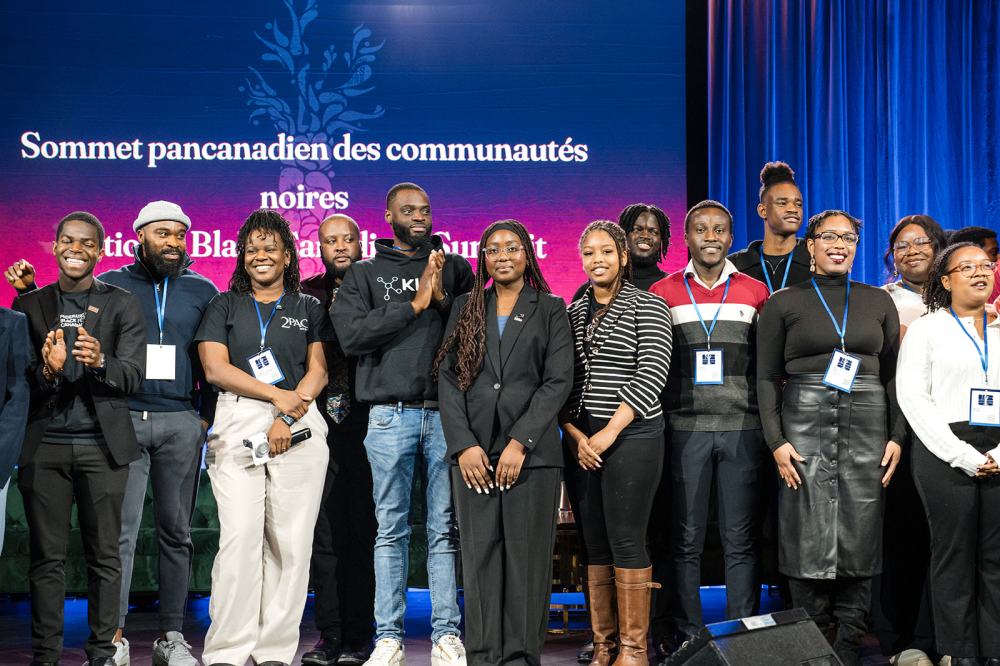
From September 18–20, the National Black Canadians Summit will be hosted in Winnipeg for the very first time. Through keynote conversations, workshops, artistic performances, and a vibrant marketplace, attendees will come together to share ideas and solutions to the systemic challenges facing Black communities across Canada.
For much of Canada’s history, conversations about the country’s Black communities have been centred in Toronto, Montreal, and Ottawa. Those cities matter. But the Black Canadian experience and history have never been confined to Canada’s largest metropolitan centres.
Winnipeg is home to one of Canada’s most diverse and dynamic Black communities. Across the city and throughout Manitoba, Black communities are making meaningful contributions in public service, education, business, culture, sport, advocacy, and community leadership. From City Hall and the Legislature to classrooms, cultural spaces, and neighbourhood organizations, these communities are not simply hosting the Summit. They are shaping it.
The theme of this year’s Summit, “Moving Forward Together,” is particularly timely.
Canada is going through a period of uncertainty.
Tariffs imposed by the Trump administration continue to threaten businesses and industries. For many families, the cost of housing, food, and everyday life has changed what feels possible. Young people are questioning whether the institutions they are entering will provide the opportunities previous generations were promised. Employers are struggling to find and retain talent. Governments and public institutions are facing declining trust. And across communities, questions about safety, belonging, and who gets a fair opportunity are increasingly difficult to ignore.
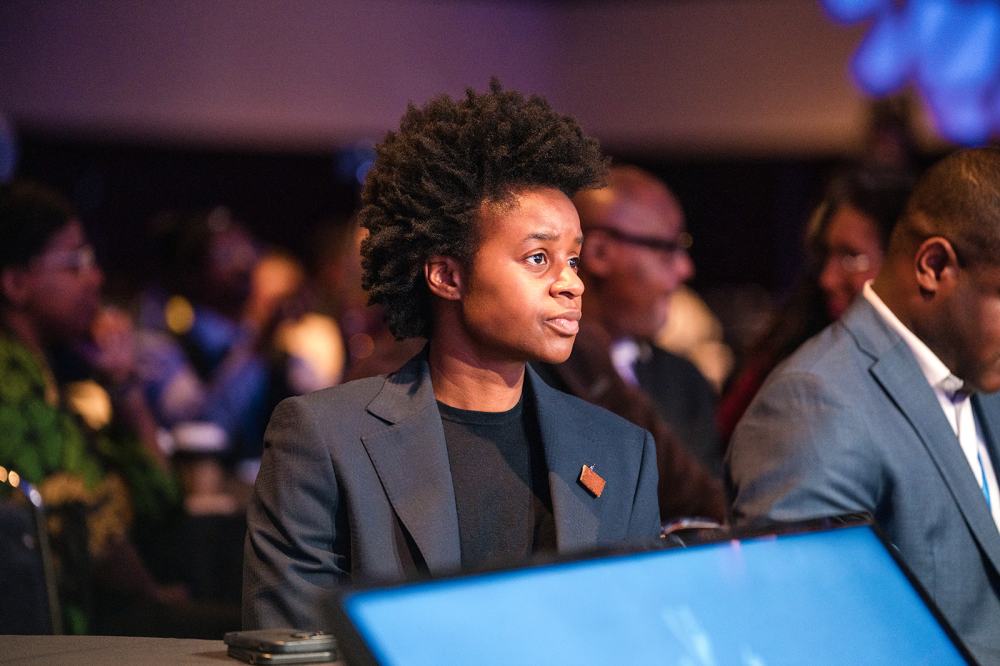
For Black Canadians, these pressures do not exist in isolation and are often experienced more profoundly. This uncertainty is experienced in the context of the persistent effects of anti-Black racism, the rollback of DEI initiatives longstanding disparities in employment, education, economic opportunity and representation.
Canada has spent years having important conversations about racism, representation and inequality. Those conversations have helped bring greater attention to issues that were too often ignored. They have contributed to important changes in public policy, institutions and workplaces. But these conversations are still necessary as there is still more work to be done to ensure that Black Canadians have an equal chance at success.
In the criminal justice system, Black Canadians experience an unequal risk of both incarceration and victimization. According to Statistics Canada, Black adults were incarcerated at approximately three times the rate of white adults. Despite representing 4 per cent of Canada’s population, nearly 9 per cent of incarcerated Canadians are Black. Black Canadians are also disproportionately victims of crime, representing 37 per cent of victims of police-reported hate crimes motivated by race or ethnicity in 2024 and 13 per cent of homicides. These numbers point to the complex effects of systemic discrimination, social and economic disadvantage, and the ways those factors can shape a person’s interaction with the justice system.
The gap is also evident in the labour market. Statistics Canada reported that in August 2025, the unemployment rate for Black Canadians was more than 5 per cent higher than the rest of the population. For Black youth specifically, the unemployment rate is a concerning 22 per cent, almost 10 per cent higher than among other youth. When it comes to income, Black women continue to lag behind their white male peers. These numbers point to a broader challenge: having the talent, education and determination to succeed does not always translate into the same opportunities or economic outcomes.
Health is another area where Black Canadians do not always experience the same opportunities to thrive. Statistics Canada has identified persistent differences in access to primary and pharmaceutical health care for Black Canadians and found that these disparities persist even after accounting for socioeconomic circumstances. In Manitoba, we are addressing this challenge by being the first province to collect race-based data in emergency rooms. Because what gets measured gets improved.
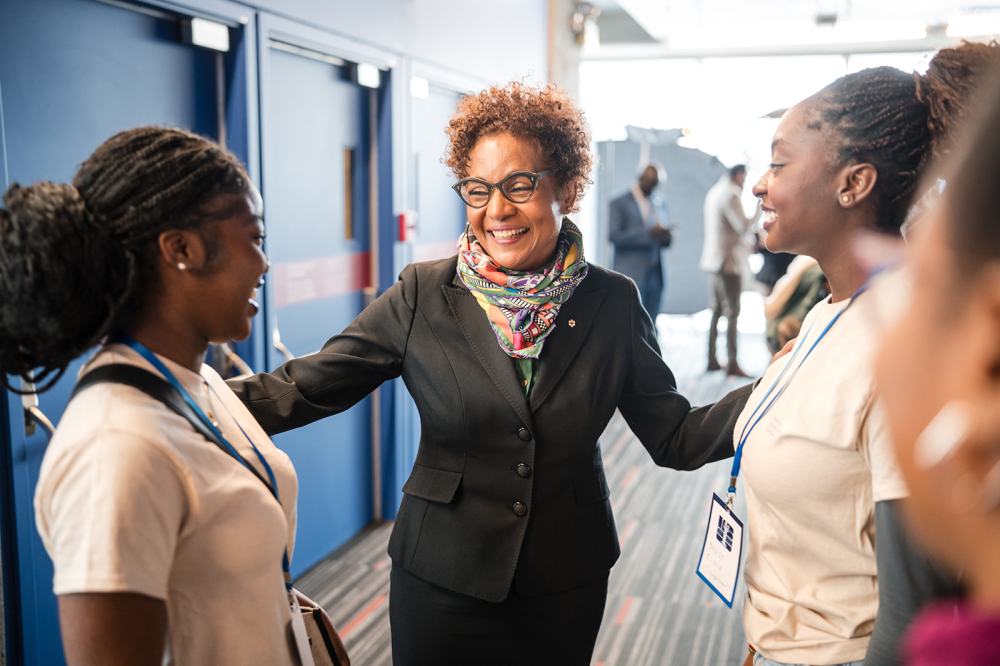
Moving Forward Together is about addressing these challenges with intention and doing so in ways that reflect the breadth of Black communities. That work cannot fall to any single institution or community. It requires spaces where people can speak honestly about their experiences, where organizations can learn from one another, and where new relationships can form across regions, sectors and generations.
That is what the Michaëlle Jean Foundation has helped create through the 5th National Black Canadians Summit. Since its inception in 2017, the Summit has become a national forum where Black Canadians can gather to share ideas, confront hard truths, and build the networks that make change possible. Its strength lies not only in the conversations that take place on stage, but in the friendships and connections made in hallways that endure long after the final session ends.
There is tremendous value in connecting Winnipeg efforts with national conversations. The experiences of community leaders and advocates from Toronto and Edmonton, youth from Halifax and Brandon, and entrepreneurs and academics from Montreal and Windsor all bring different perspectives to the table. When those experiences are shared in one place, they create opportunities to learn from one another, identify common challenges, strengthen partnerships, and build solutions that leave a meaningful impact beyond any one city or province.
When delegates leave Winnipeg, they will return to their communities energized and equipped with new tools to move forward on addressing the systemic challenges that Black Canadians face. Best of all, they will leave with a deeper appreciation for what Winnipeg offered: a place where conversations could be honest, where people could meet as equals, and where the future of Black Canadians could be imagined together.
Angela Cassie
Chair, National Black Canadians Summit
This article is produced by the Advertising Department of the Winnipeg Free Press, in collaboration with Michaëlle Jean Foundation