

Rain, flooding losses: $1.1B
Farmers in Manitoba, Saskatchewan expect lower yields after June storm
Advertisement
Read this article for free:
or
Already have an account? Log in here »
To continue reading, please subscribe:
Monthly Digital Subscription
$1 per week for 24 weeks*
- Enjoy unlimited reading on winnipegfreepress.com
- Read the E-Edition, our digital replica newspaper
- Access News Break, our award-winning app
- Play interactive puzzles
*Billed as $4.00 plus GST every four weeks. After 24 weeks, price increases to the regular rate of $19.95 plus GST every four weeks. Offer available to new and qualified returning subscribers only. Cancel any time.
Monthly Digital Subscription
$4.99/week*
- Enjoy unlimited reading on winnipegfreepress.com
- Read the E-Edition, our digital replica newspaper
- Access News Break, our award-winning app
- Play interactive puzzles
*Billed as $19.95 plus GST every four weeks. Cancel any time.
To continue reading, please subscribe:
Add Free Press access to your Brandon Sun subscription for only an additional
$1 for the first 4 weeks*
*Your next subscription payment will increase by $1.00 and you will be charged $16.99 plus GST for four weeks. After four weeks, your payment will increase to $23.99 plus GST every four weeks.
Read unlimited articles for free today:
or
Already have an account? Log in here »
Hey there, time traveller!
This article was published 25/07/2014 (4271 days ago), so information in it may no longer be current.
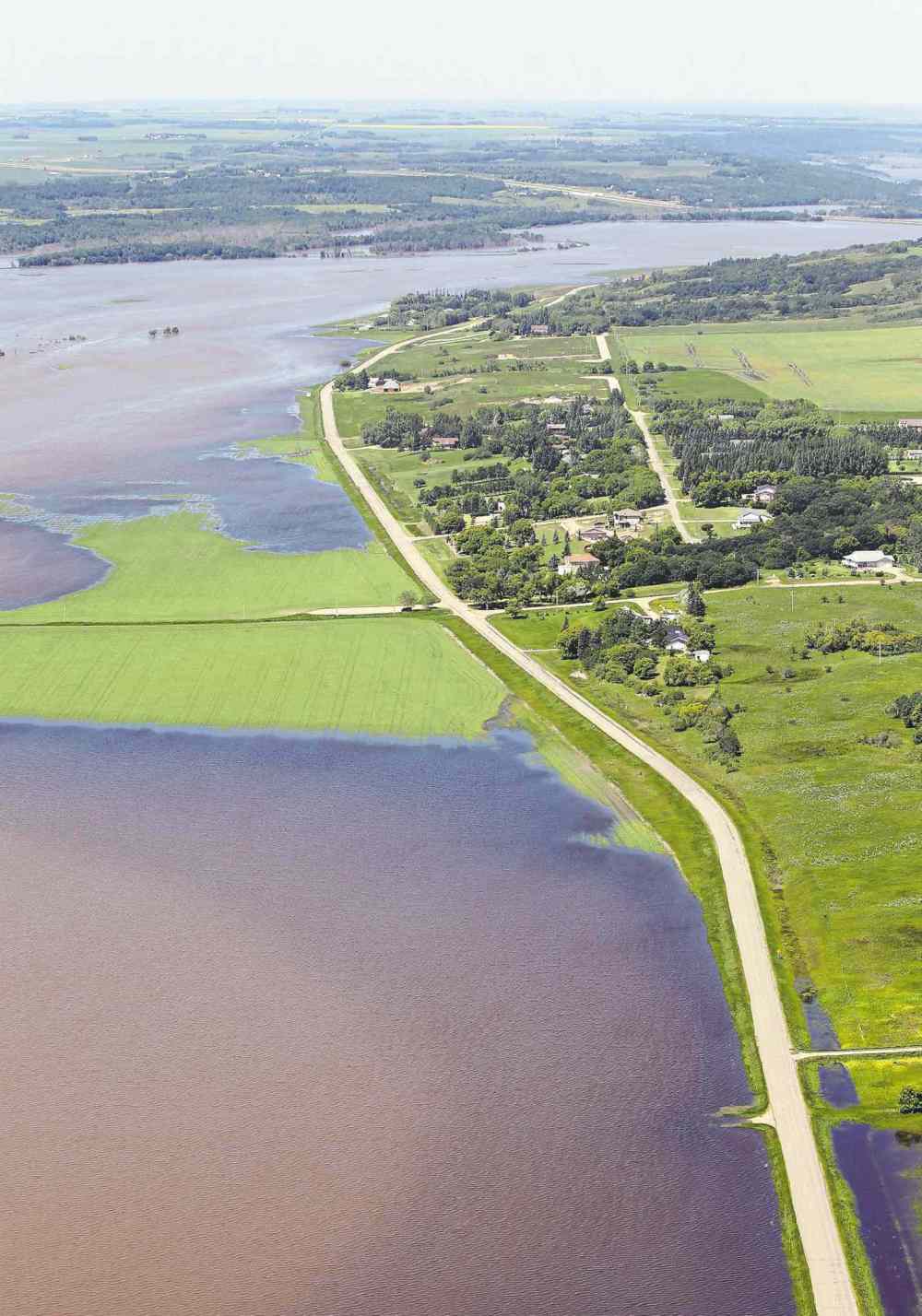
For the first time in 47 years of farming, Giles Norek got 25 centimetres of rain in 48 hours on his Saskatchewan crops. Half of his 12,000 acres were flooded by the June deluge, and the remaining plants are struggling to survive.
“All in all, it’s a pretty big disaster,” Norek, 63, said July 18. Even as the weather has been drier since, he’s not expecting the damaged wheat to recover. “Some of it isn’t going to make it. It isn’t going to become a good crop,” he said.
Widespread flooding after record rainfall in parts of the Prairies last month is exacerbating the outlook for smaller wheat seedings, which the government had already forecast would fall 7.4 per cent this season. Municipalities in Saskatchewan and Manitoba declared a state of emergency after the June storms. The nation is the world’s third-largest exporter, trailing the U.S. and Australia.
“In a lot of areas, we’re hearing of some major losses,” Alyssa Mistelbacher, a market analyst with FarmLink Marketing Solutions in Winnipeg, said. “Wheat production will fall, but to what degree, it’s hard to tell right now.”
Sowings will probably drop to 23.5 million acres, 9.8 per cent smaller than a year earlier and the lowest since 2011, according to the average estimate in a Bloomberg News survey of seven analysts. The government forecast 24.1 million acres in June, before the worst of the rain.
As many as three million acres in Saskatchewan and 2.5 million acres in Manitoba have been flooded and are unlikely to produce a crop, estimates from Saskatchewan’s government and Keystone Agricultural Producers show. Canola plantings will decline to 19.1 million acres, down 5.8 per cent from the government’s June forecast, and oat seedings will fall six per cent, analysts said.
Statistics Canada is scheduled to release its next crop forecast on Aug. 21.
While warm, dry weather in July has allowed producers to return to the fields in southeastern Saskatchewan, some plants remain under water. Half of the fall-cereal crops and 57 per cent of spring cereals in Saskatchewan are behind their normal stage of development, the government said in a July 17 report.
Manitoba farmers may lose $1.1 billion from the recent rain and flooding, Keystone Agricultural Producers said. As much as $500 million of those losses may not be covered by insurance programs, Doug Chorney, the president of Keystone, said. Farmers who filed claims for excess moisture in 2011 are paying higher deductibles for less coverage, and programs only cover between 50 per cent and 75 per cent of losses on seeded and unseeded acres, he said.
The outlook for a second straight bumper global wheat crop may limit price gains for farmers looking to recoup part of their losses. World inventories next year will rise 2.8 per cent to the highest since 2012, the U.S. Department of Agriculture said. Futures tumbled 13 per cent this year in Chicago to $5.24 a bushel today.
Walter Finlay is still knee-deep in water three weeks after torrential rains flooded almost one-third of his 3,000-acre farm in Manitoba, where he grows wheat and canola. He’s unable to spray more than half of his crop for weeds because his equipment keeps getting stuck in thick, wet mud.

To access parts of the farm, “I have to go through water,” Finlay, 61, said Tuesday from his farm near Souris.
“Some of it is three or four inches. Some if it is two feet.”
The rains have “stunted” the wheat crops, and “it’s still not a healthy green colour in lots of cases, because of the excess water,” he said.
— Bloomberg News