

Billion-dollar merger makes Marriott world’s largest hotelier
Advertisement
Read this article for free:
or
Already have an account? Log in here »
To continue reading, please subscribe:

Digital Subscription
One year of digital access for only $205*
- Enjoy unlimited reading on winnipegfreepress.com
- Read the E-Edition, our digital replica newspaper
- Access News Break, our award-winning app
- Play interactive puzzles
*First annual payment billed as $205.00 + GST for one year. This annual subscription will automatically renew at $233.00 + GST every 52 weeks (10% off the regular annual price of $259.35). Offer available to new and qualified returning subscribers only. Cancel any time.
To continue reading, please subscribe:
Add Free Press access to your Brandon Sun subscription for only an additional
$1 for the first 4 weeks*
- Enjoy unlimited reading on winnipegfreepress.com
- Read the E-Edition, our digital replica newspaper
- Access News Break, our award-winning app
- Play interactive puzzles
*Your next Brandon Sun subscription payment will increase by $1.00 and you will be charged $17.95 plus GST for four weeks. After four weeks, your payment will increase to $24.95 plus GST every four weeks.
Read unlimited articles for free today:
or
Already have an account? Log in here »
Hey there, time traveller!
This article was published 17/11/2015 (3949 days ago), so information in it may no longer be current.
NEW YORK — Hotel behemoth Marriott International is becoming even larger, taking over rival chain Starwood in a US$12.2-billion deal that will catapult it to become the world’s largest hotelier by a wide margin.
The stock-and-cash deal, if completed, will add 50 per cent more rooms to Marriott’s portfolio and give it more unique, design-focused hotels that appeal to younger travellers.
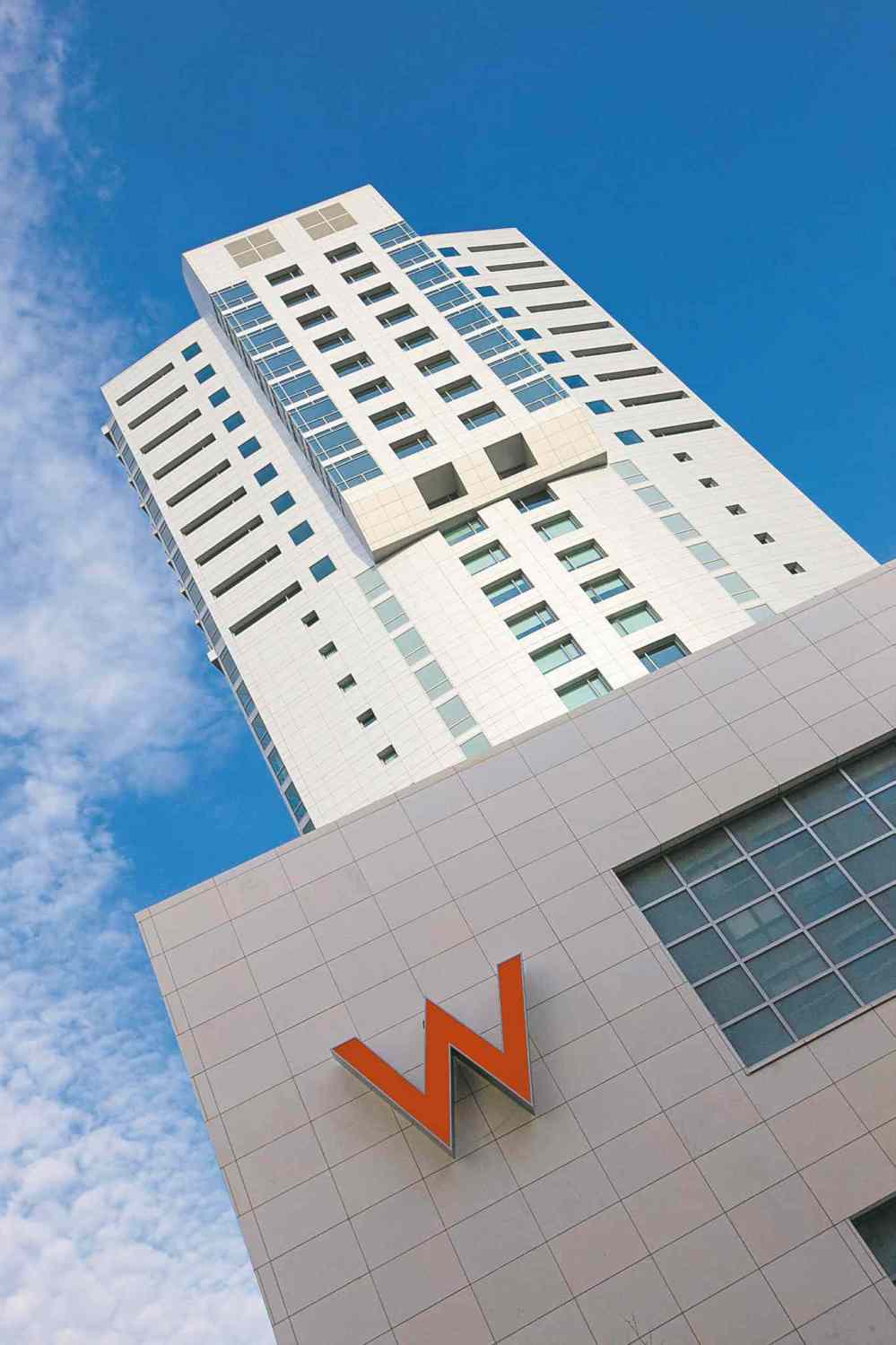
The new company would have 5,500 properties with more than 1.1 million rooms around the world, uniting Starwood’s brands, which include Sheraton, Westin, W and St. Regis, with Marriott’s two dozen brands including Marriott’s Courtyard, Ritz-Carlton and Fairfield Inn.
The deal is expected to close in the middle of 2016.
The next-largest hotel company is Hilton Worldwide with 4,500 properties and about 735,000 rooms.
“To be successful in today’s marketplace, a wide distribution of brands and hotels across price points is critical,” Starwood CEO Adam Aron said on a call with Wall Street analysts. “It appeals to travellers wherever they may go, leverages marketing and technology (spending) and strengthens frequent traveller loyalty. Today, size matters.”
Marriott and Starwood — like other hotel chains — own very few individual hotels. Instead they manage or franchise their brands to hundreds of individual owners, often real estate development companies. Those individual hotel owners are responsible for setting nightly room rates. It isn’t uncommon for a developer to own a Marriott, Hilton, Hyatt and Sheraton in the same city.
The merger will give Marriott 30 brands and more leverage with corporate travel departments who often look for one giant chain to house all of their employees. Frequent business travellers will also be closely watching the deal. Starwood has a beloved frequent guest program with partnerships with American Express, Delta Air Lines and Uber. Marriott has a much larger program with partnerships with Chase and United Airlines.
Marriott CEO Arne Sorenson said he was attracted to Starwood, in part, because of its loyalty program. He said the members skew a little younger than Marriott’s and the program is “very valued by elite travellers.”
“We will take the best of both programs and make sure the bests are preserved,” he said on the analyst call. The details will be worked out in the coming months.
In April, Starwood announced its board was exploring strategic options for the hotel company. The Stamford, Conn., company has struggled to grow as fast as its rivals, particularly in “limited service hotels,” smaller properties which don’t have restaurants or banquet halls. They are often located on the side of the highway, near airports or in suburban office parks.
There was speculation in the markets about a potential deal with Holiday Inn owner Intercontinental Hotels Group and more recently Hyatt Hotels Corp. But in the end, it was Marriott who prevailed.
Starwood’s strong international presence will aid Marriott. In the past few years, Starwood has made a strong push to grow in China, India, the United Arab Emirates as well as more-established European destinations. Marriott, in turn, has a well-established network of hotels including deep coverage of small towns and cities with its Fairfield Inn, Courtyard and Residence Inn brands.
The deal comes at a time of record hotel occupancy and rates.
During the first nine months of this year, guests filled 67.3 per cent of the available rooms in the U.S., according to research firm STR. That’s the highest level since STR started collecting data in 1987. Guests paid an average of US$120.35 a night so far this year. The prior record, adjusted for inflation, was US$119.70 in 2008.
Marriott, based in Bethesda, Md., has been aggressively growing. In April, it acquired Canadian chain Delta Hotels and Resorts, helping it become the largest hotel company in Canada.
The boards of both companies approved the acquisition unanimously, which now must be approved by investors in both hotel chains.

Marriott’s Sorenson will be president and CEO of the combined company and the headquarters will be in Bethesda. Marriott’s board of directors following the closing will increase to 14 from 11 members, with the expected addition of three members of Starwood’s board.
Marriott said it expects to deliver at least US$200 million in annual savings in the second full year after closing.
Last month, Starwood announced the sale of its timeshare unit to Interval Leisure Group, with its shareholders retaining a 55 per cent stake in the company. That deal is expected to close before the Marriott acquisition, with Starwood shareholders receiving additional compensation for their stake in the timeshare business.
— The Associated Press