

Self-image, self-esteem pivotal to success
Viewing yourself in a positive way has career benefits
Advertisement
Read this article for free:
or
Already have an account? Log in here »
To continue reading, please subscribe:
Monthly Digital Subscription
$1 per week for 24 weeks*
- Enjoy unlimited reading on winnipegfreepress.com
- Read the E-Edition, our digital replica newspaper
- Access News Break, our award-winning app
- Play interactive puzzles
*Billed as $4.00 plus GST every four weeks. After 24 weeks, price increases to the regular rate of $19.95 plus GST every four weeks. Offer available to new and qualified returning subscribers only. Cancel any time.
Monthly Digital Subscription
$4.99/week*
- Enjoy unlimited reading on winnipegfreepress.com
- Read the E-Edition, our digital replica newspaper
- Access News Break, our award-winning app
- Play interactive puzzles
*Billed as $19.95 plus GST every four weeks. Cancel any time.
To continue reading, please subscribe:
Add Free Press access to your Brandon Sun subscription for only an additional
$1 for the first 4 weeks*
*Your next subscription payment will increase by $1.00 and you will be charged $16.99 plus GST for four weeks. After four weeks, your payment will increase to $23.99 plus GST every four weeks.
Read unlimited articles for free today:
or
Already have an account? Log in here »
Hey there, time traveller!
This article was published 07/04/2018 (2941 days ago), so information in it may no longer be current.
Try to think about the one or two leaders you most admire. What competencies and skills do they have? What is their personality, and how has this contributed to personal success? Have you ever noticed a difference in self-image and self-esteem with these successful leaders? What role do these two elements play in one’s success? The answer to that question is self-image and self-esteem do, indeed, play a big role in one’s success.
So what exactly are self-image and self-esteem, and why are they so important? Self-image and self-esteem are all about how much you like yourself, who you are, what you stand for and what you are doing in life. When you view yourself in a positive way, thinking and seeing success as part of your being, the more successful you will be and the more success opportunities will come your way.
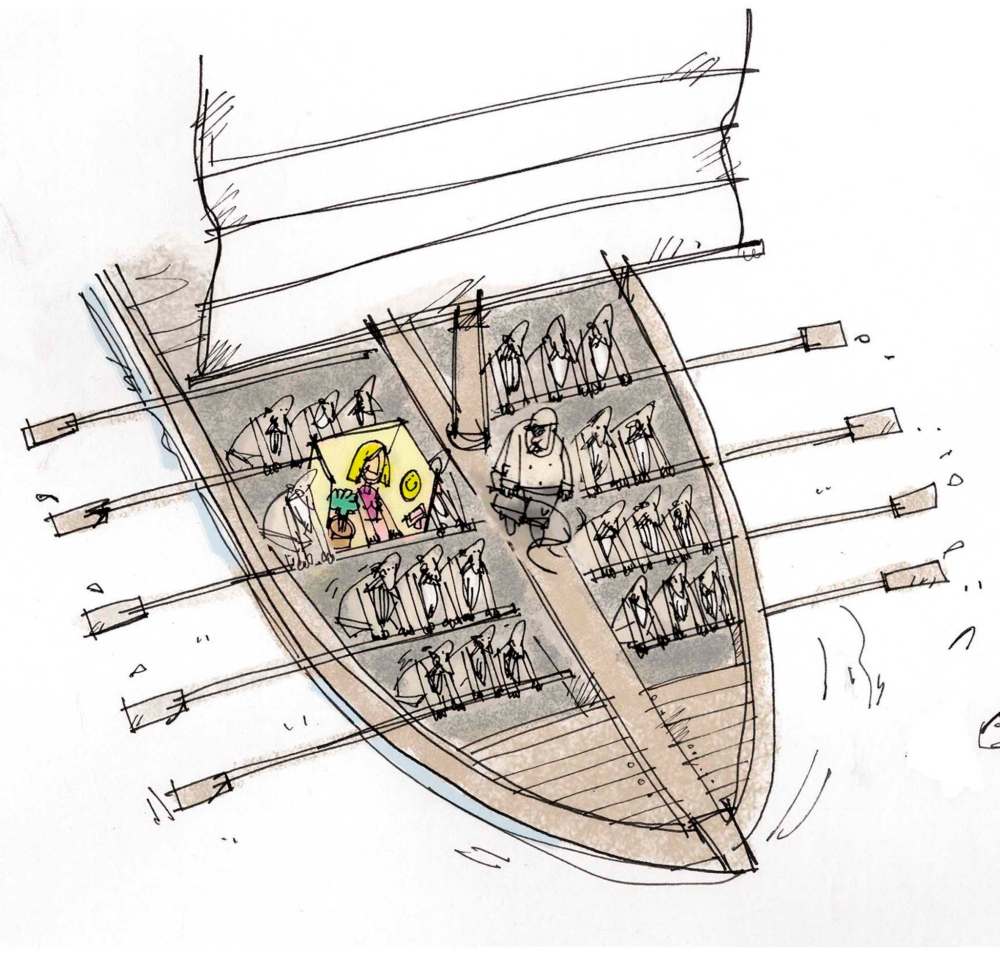
This has been proven time and time again.
A leader with a high, yet balanced, self-image and self-esteem views him/herself as being strong, self-confident and competent. They know what they are good at and what they like to do. They continue to expand themselves, to learn from all their experiences and continually seek a sense of achievement. They feel good about themselves, and this positivity guides them in their daily life as they strive for success as they define it. Positive and healthy self-image and self-esteem give individuals the energy to do what they do, without being driven by a huge ego. Balanced levels of self-image and self-esteem also play a role in developing respectful relationships.
Self-image and self-esteem are developed through childhood, and depend on parenting style and family upbringing. For instance, a strong family supportive of one’s efforts, and parents who coach their children through trials and tribulations, typically results in young adults with a healthy sense of self. On the other hand, it is well known that parents who don’t provide emotional support for their children, who frequently chastise and criticize them, will often foster young adults with a poor sense of self.
Another question you might be asking is whether or not personal self-image and self-esteem can be changed? Thankfully, the answer is yes, it can. But it takes courage, self-assessment and personal work. In fact, Dr. David Burns, a well-known specialist in the area of self-esteem, says you can whine and complain all you want and continue to play the victim role, but if you want to create positive self-image and self-esteem, you will have to do some work! This means engaging in self-assessment and being willing to take action to change your life.
The following is some of the suggested “work” Dr. Burns and many others suggest.
Be honest with yourself
Sit down and make a list of all the so-called “good” reasons for not doing the many self-assessment tasks and thinking processes that you will have to go through to recapture a positive self-image and self-esteem. Are you experiencing fear? Are you experiencing self-doubt that things can really change? Be honest. If you are serious, make a contract with yourself, build some special time just for you and create some personal and emotional supports around you. Revisit your contract frequently, making changes as necessary to keep you on track.
Learn to understand your mood
One of the first things to do is to learn how to measure your moods and assess your relationships. Identify the positives and the negatives, and then dissect them. For instance, take a bad incident you have experienced. Describe what happened and then describe your feelings. Understand that your feelings result from your specific thoughts about the incident.
Learn to change your thoughts
Each incident in our lives can be viewed from a negative, a neutral and/or a positive position. For instance, losing a job can be perceived as horrible. Yet, at the same time, it could be looked at as an opportunity to return to school. Two different thoughts. In Dr. Burns’ view, bad feelings come from “distorted” thinking or “lies” that you tell yourself.
Examples of distorted thinking
There are 10 common phases of distorted thinking, and I can tell you that if you are doing one of them, you are practising all of them. And, in that case, you are “doing it to yourself!” These include thoughts such as discounting any positives that come out of a situation, jumping to conclusions, magnifying or minimizing a situation, or always blaming yourself and/or others.
Assess for the realistic
Take a piece of paper and draw three lines to make a column chart. In the first column, write one of your negative thoughts. In the middle column, assess and determine how you are distorting the reality of the situation. Are you exaggerating the negativity? Are you jumping to conclusions? What are you doing and saying to yourself that accounts for the negative feelings? Just what thoughts are contributing to your emotions? Now, in the last column, write some positive and more realistic thoughts. Examine how these new statements will change your negative feelings. Try to repeat this exercise every time you have a negative thought that is stopping your from being successful.
Make a decision
Believe it or not, you do have control over healthy and/or unhealthy feelings. When something is happening in your life, you can indeed stop and ask yourself how to best think about the situation. You can assess whether or not it is of benefit to feel angry and/or whether feeling and being angry will hurt you.

Although some of these suggestions seem clinical, and people might think they don’t have time to do these kinds of analyses while they are in the middle of a crisis, the opposite is true. You do have time, and it is time well spent because taking a negative approach will not only hurt your self-esteem, it may well hurt your relationships.
Keep in mind that self-image and self-esteem are all about what you think about yourself, and the fact these thoughts impact how you act. Remember that self-esteem is all about your ability to think about and cope with everyday problems. It’s about having confidence in yourself, to feel worthy and to have a right to have success. If you continue to have negative thoughts without analyzing the why and where these feelings come from, you will never be able to change them. The good news is, you can change how you feel and how you act.
Sources: The Feeling Good Handbook, Dr. David Burns, M.D., Six Pillars of Self Esteem, The Definitive Work on Self-Esteem by the Leading Pioneer in the Field, Nathaniel Brandon.
Barbara J. Bowes, FCPHR, CMC, CCP, M.Ed, is president of Legacy Bowes Group. She is also an author of eight books, a professional speaker, executive coach and workshop leader. She can be reached at barb@legacybowes.com and/or barbarabowes.com.
History
Updated on Saturday, April 7, 2018 9:33 AM CDT: Photo added.