

CN buys TransX, eyeing intermodal growth
Winnipeg-based company says acquisition 'is more a partnership' that paves way for expanded reach
Advertisement
Read this article for free:
or
Already have an account? Log in here »
To continue reading, please subscribe:
Digital Subscription
One year of digital access for only $75*
- Enjoy unlimited reading on winnipegfreepress.com
- Read the E-Edition, our digital replica newspaper
- Access News Break, our award-winning app
- Play interactive puzzles
*Billed as $5.77 plus GST every four weeks. After 52 weeks, price increases to the regular rate of $19.95 plus GST every four weeks. Offer available to new and qualified returning subscribers only. Cancel any time.
Monthly Digital Subscription
$4.99/week*
- Enjoy unlimited reading on winnipegfreepress.com
- Read the E-Edition, our digital replica newspaper
- Access News Break, our award-winning app
- Play interactive puzzles
*Billed as $19.95 plus GST every four weeks. Cancel any time.
To continue reading, please subscribe:
Add Free Press access to your Brandon Sun subscription for only an additional
$1 for the first 4 weeks*
- Enjoy unlimited reading on winnipegfreepress.com
- Read the E-Edition, our digital replica newspaper
- Access News Break, our award-winning app
- Play interactive puzzles
*Your next Brandon Sun subscription payment will increase by $1.00 and you will be charged $17.95 plus GST for four weeks. After four weeks, your payment will increase to $24.95 plus GST every four weeks.
Read unlimited articles for free today:
or
Already have an account? Log in here »
Hey there, time traveller!
This article was published 30/10/2018 (2765 days ago), so information in it may no longer be current.
A family trucking business started in Winnipeg more than half a century ago has been purchased by CN Rail in a mega-deal targeting intermodal transport.
Italian immigrant Louie Tolaini, who came to Canada when he was 19 years old, started TransX Group in 1963 with five trucks and seven employees.
It currently has 2,600 employees across North America with annual revenues in the $500-million range.
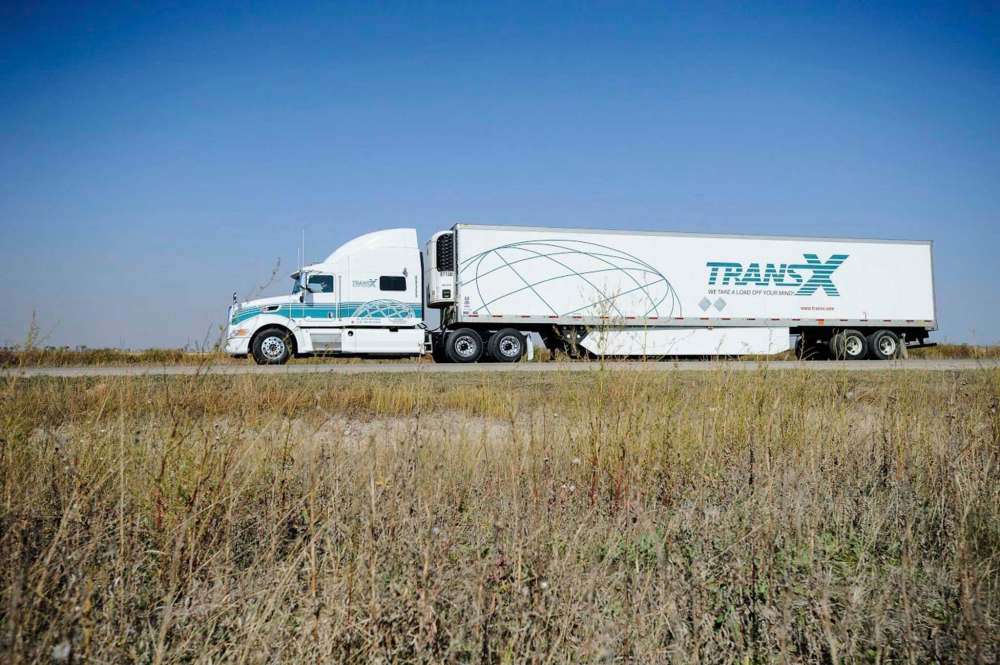
“(CN) approached us. We weren’t necessarily for sale,” said Mike Jones, chief operating officer of TransX Group of Companies. CN and TransX have worked closely for going on two decades, he said.
Refrigerated transport is a fast-growing sector and the TransX Group’s strength there will be a boon to CN, senior manager Patrick Waldron said.
“There is a growing business of temperature-controlled containers on trains, ships and trucks and TransX does a lot of that business,” Waldron said.
For example, TransX is the largest mover of “refrigerated protein,” meaning meat, in Canada, Waldron said. TransX’s assets include about 1,500 large trucks and 1,000 intermodal containers.
The acquisition is subject to regulatory review by the Competition Bureau and Transport Canada.
There is a movement to consolidation in the transport sector, but this agreement “is more a partnership where we’re going to be able to expand our reach and provide a more diverse product,” Jones said.
TransX will continue to be run autonomously, but will be able to expand with CN’s resources behind it, Jones said. It will keep its headquarters in Winnipeg. TransX has about 600 employees in Manitoba.
“This is a good Winnipeg story. This is a good Manitoba story,” Jones said.
“We’re probably going to see more capital (investment) and more growth opportunities, and it’s going to be good for our employees because they want to grow.”
For example, CN will open opportunities for TransX across North America and into Mexico. Currently, TransX operates in Mexico with truck transport but not rail.
Terms of the purchase were not disclosed. Tolaini, who is now in his early 80s and owns a vineyard in Italy, was not available for comment.
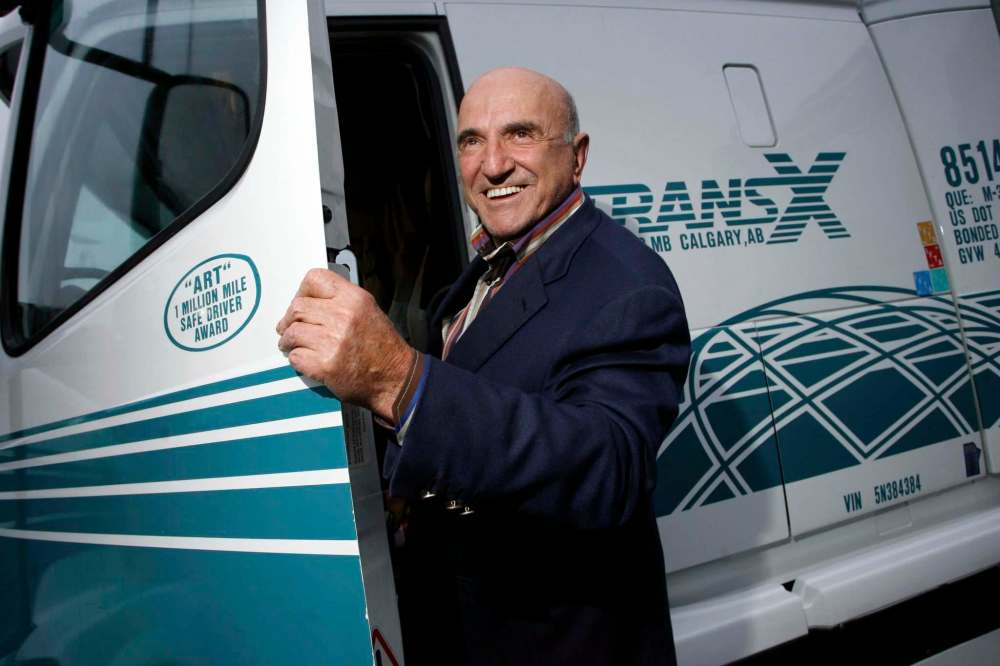
Jones said TransX’s move into refrigerated containers and intermodal traffic was due to customer demand.
TransX primarily hauls from Toronto and Montreal to Western Canada. If customers want a low-cost alternative, rail is a popular option, though less timely. Intermodal business uses any combination of trucks, trains, ships and even airplanes to transport goods.
“It’s been a very good customer-based solution for our customers to shift from road to rail with the cost of fuel,” Jones said. Rail movement also means reduced greenhouse-gas emissions. “Some of our customers even have a corporate mandate to move more and more product by train because of the environment.”

TransX started intermodal shipments in 1997, with a purchase of about 100 containers, and kept expanding. It partnered with CN in refrigerated business in 2006.
TransX’s business is now 65 per cent groceries, including meats, produce, confectionery goods like chocolate and dairy products like yogurt. “That segment keeps growing,” Jones said.
TransX also has a flat-deck division for hauling products like machinery, implements, lumber and pipes to oil fields.
The growth in refrigerated container traffic is not only in foods but also other products, like pharmaceuticals, Waldron said.
bill.redekop@freepress.mb.ca
History
Updated on Tuesday, October 30, 2018 8:13 PM CDT: Adds photo