

The importance of a positive attitude
How you view the world can shape your own success or failure
Advertisement
Read this article for free:
or
Already have an account? Log in here »
To continue reading, please subscribe:
Digital Subscription
One year of digital access for only $75*
- Enjoy unlimited reading on winnipegfreepress.com
- Read the E-Edition, our digital replica newspaper
- Access News Break, our award-winning app
- Play interactive puzzles
*Billed as $5.77 plus GST every four weeks. After 52 weeks, price increases to the regular rate of $19.95 plus GST every four weeks. Offer available to new and qualified returning subscribers only. Cancel any time.
Monthly Digital Subscription
$4.99/week*
- Enjoy unlimited reading on winnipegfreepress.com
- Read the E-Edition, our digital replica newspaper
- Access News Break, our award-winning app
- Play interactive puzzles
*Billed as $19.95 plus GST every four weeks. Cancel any time.
To continue reading, please subscribe:
Add Free Press access to your Brandon Sun subscription for only an additional
$1 for the first 4 weeks*
- Enjoy unlimited reading on winnipegfreepress.com
- Read the E-Edition, our digital replica newspaper
- Access News Break, our award-winning app
- Play interactive puzzles
*Your next Brandon Sun subscription payment will increase by $1.00 and you will be charged $17.95 plus GST for four weeks. After four weeks, your payment will increase to $24.95 plus GST every four weeks.
Read unlimited articles for free today:
or
Already have an account? Log in here »
Hey there, time traveller!
This article was published 12/01/2019 (2691 days ago), so information in it may no longer be current.
I recently read a quote that stated, “So much of happiness depends on how you look at the world.” In other words, those individuals who look at the world from a “poor me” perspective feel a loss of control, see themselves as a victim and never seem to reach a level of happiness in their personal life, their career or both. Frankly, it is so sad to see.
On the other hand, individuals with a positive attitude who engage in positive thinking always seem to focus on the bright side of life and are able to see potential opportunities, even in the most negative circumstances.
But just what are a positive attitude and positive thinking? A positive attitude is an emotional state wherein an individual expects the best.
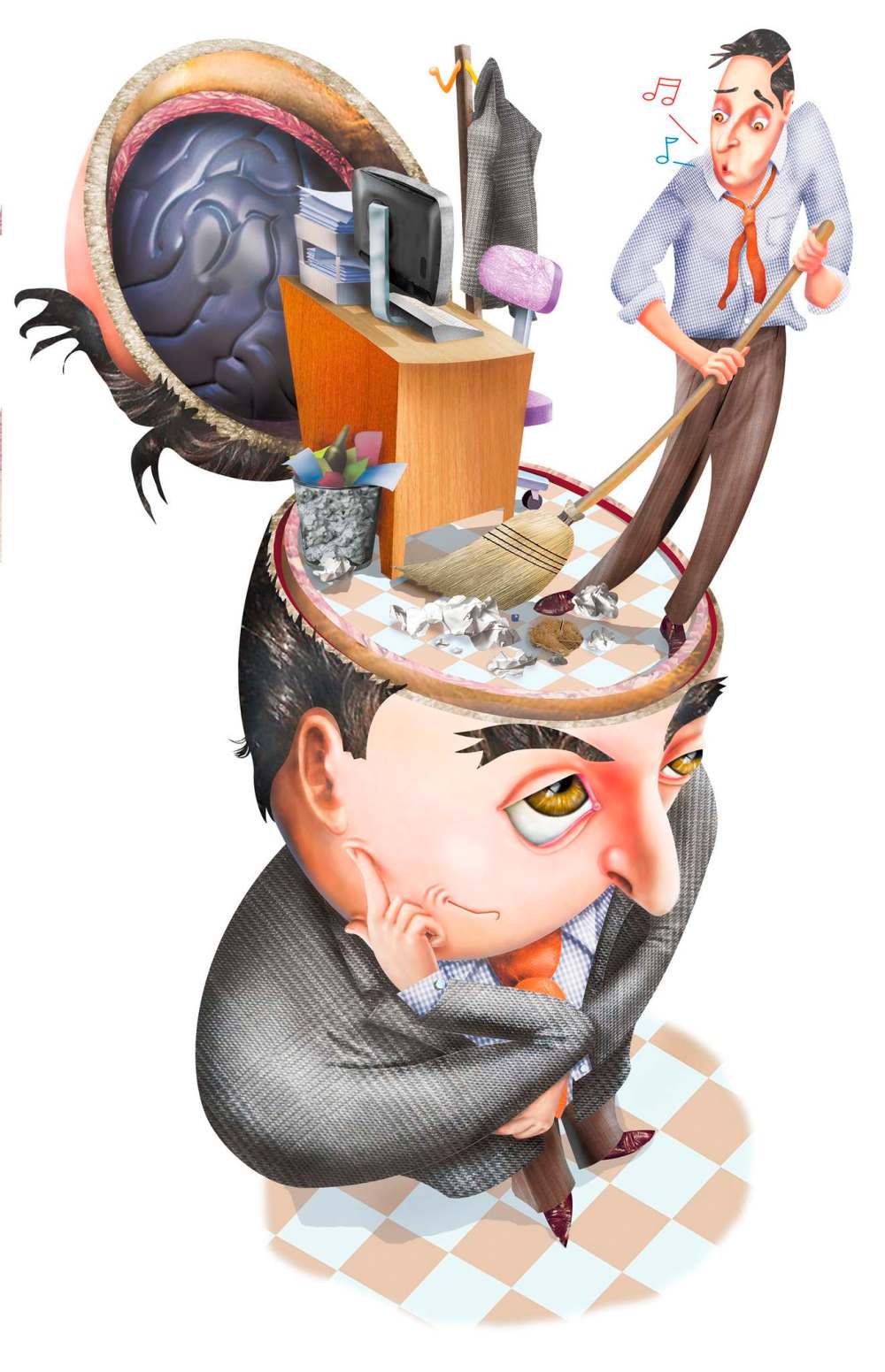
These individuals are optimistic and confident their goals will be met. When they encounter challenges, they purposefully and naturally avoid negative thoughts and doubts and set about thinking through a problem.
Positive thinkers are also constructive and creative in looking for their solutions. They’re not afraid to take calculated risks and are often the first to volunteer for complex projects.
Positive people also seem to have more energy and are more motivated to get things done and accomplish their goals. They’re confident in their skills and abilities and are very aware of their strengths and areas of challenge. They don’t get easily discouraged — instead, they work hard to stay positive and are generally very happy and content with their personal life and their work.
Why are a positive attitude and positive thinking so important, especially at work?
First of all, negative people can quickly poison a work environment because colleagues will strain to shield themselves against the daily onslaught of negative comments and negative behaviour.
Frankly, constant negativity sucks the energy out of a team. You can see and feel the negativity. Before long, the negative individual will be isolated because no one welcomes them on team projects.
The result? Relationships are harmed, productivity is harmed and the organization is harmed.
Positive people at work, on the other hand, usually relate well with others and build strong and long-lasting relationships. They are open to ideas and trying new things.
They will volunteer a hand without being asked. Their communication is upbeat and positive. Their smile is infectious and helps to brighten the mood of anyone around them.
Positive people are open to change and aren’t afraid to try something new. Positive people make for a positive workplace.
The next question for readers is whether or not an individual can change their attitude to become more positive, and if so, how can this be accomplished?
While the naysayers will reply with an adamant “no,” I personally tend to believe in the philosophy that “each human being is born with the capacity to win at life.”
However, how does one go about developing a positive attitude and positive thinking?
Thankfully, the concepts of positive attitude and positive thinking have been studied for years. Many researchers and authors, as early as Norman Vincent Peale in the 1950s, have talked about how a positive attitude is connected to self-confidence. Peale suggested that individuals can precondition their minds for success, and provided tools and techniques to help individuals change perspective.
Multiple scholars since then have also studied and written books on how to change one’s self-esteem, develop a more positive attitude and to engage in positive thinking. Some of these suggestions are as follows:
Know thyself
The first important step is self-analysis, discovering why you might be unhappy and what negative thoughts are interfering with your desired happiness. You can do this with a personal coach and/or independently, using a tool such as the self-study manual called Ten Days to Self-Esteem by Dr. David Burns.
Think through several key issues, such as describing and confirming your feelings, your level of sadness and anxiety, your satisfaction with relationships and your feelings of fear and/or guilt.
Once you have done this, ask yourself if there is any benefit and/or advantage to having those negative feelings. This self-analysis will help to pinpoint areas of challenge and bring your attention to areas where change is needed.
Inventory negative self-talk
Self-talk is what you say to yourself as thoughts run through your head. For instance, are you calling yourself stupid? Are you saying, “Oh, I will never be successful at that task,” or “My boss doesn’t like me”?
These negative thoughts become your core belief, which then affects your mood as well as your behaviour. They are barriers to success. These negative thoughts push you down and make you feel negative. Yet, the big problem is that you are doing it to yourself! So, take time to identify your negative self-talk.
Create a positive mantra
Replace your negative self-talk with positive self-talk and/or a mantra. Make this affirmation short and meaningful.
A mantra for career success could be as simple as “I know I can succeed.” It is important to repeat this to yourself every day, and especially when you start to feel vulnerable.
Explore gratitude for life
Exploring one’s daily experiences and finding thankfulness for what you have helps to create a positive mindset. So, take time each week to jot down some things that you are grateful for. Once you complete your story, stop and check your feelings. More than likely, your feelings will be positive.
Help someone
Engaging in an act of kindness by doing something for someone else or doing good by giving to others has been proven to increase life satisfaction and happiness. That’s because it not only helps to create a purpose in one’s life, it also triggers feelings of reward in your mind. Acts of kindness can range from little things such as holding a door for someone, to visiting an elder relative, taking a friend for lunch or calling a colleague who is sick at home.
Avoid comparisons with others
While it is good to look up to others as role models, it is not a good idea to continue trying to compare yourself to others. Comparing can make you envious and jealous. This then causes you to feel bad, especially when you see others doing things that you wish you could do.

Steer clear of twisted thinking
Your thoughts and beliefs are what create your feelings, so when you think negatively, it makes you feel bad. Negative thinking arises because of a distorted or twisted reality in your automatic thoughts.
For instance, jumping to conclusions, discounting the positive or trying to read someone’s mind not only leads to negativity, but also creates incorrect assumptions.
As I mentioned at the beginning of this article, “So much of happiness depends on how you look at the world.” I truly believe that. How are you looking at the world?
Barbara J. Bowes, FCPHR, CMC, CCP, M.Ed., is president of Legacy Bowes Group, the author of eight books, a radio personality, a speaker, an executive coach and a workshop leader. She can be reached at barb@legacybowes.com.
History
Updated on Saturday, January 12, 2019 8:02 AM CST: Photo added.