

Men in workplace face challenges, too
Business leaders need to set right example by removing barriers to change
Advertisement
Read this article for free:
or
Already have an account? Log in here »
To continue reading, please subscribe:
Monthly Digital Subscription
$1 per week for 24 weeks*
- Enjoy unlimited reading on winnipegfreepress.com
- Read the E-Edition, our digital replica newspaper
- Access News Break, our award-winning app
- Play interactive puzzles
*Billed as $4.00 plus GST every four weeks. After 24 weeks, price increases to the regular rate of $19.95 plus GST every four weeks. Offer available to new and qualified returning subscribers only. Cancel any time.
Monthly Digital Subscription
$4.99/week*
- Enjoy unlimited reading on winnipegfreepress.com
- Read the E-Edition, our digital replica newspaper
- Access News Break, our award-winning app
- Play interactive puzzles
*Billed as $19.95 plus GST every four weeks. Cancel any time.
To continue reading, please subscribe:
Add Free Press access to your Brandon Sun subscription for only an additional
$1 for the first 4 weeks*
*Your next subscription payment will increase by $1.00 and you will be charged $16.99 plus GST for four weeks. After four weeks, your payment will increase to $23.99 plus GST every four weeks.
Read unlimited articles for free today:
or
Already have an account? Log in here »
Hey there, time traveller!
This article was published 15/06/2019 (2429 days ago), so information in it may no longer be current.
Tomorrow marks another celebration of Father’s Day, a day of special honour started more than 100 years ago. It’s a recognition and appreciation for the contributions fathers and father figures make to their families. It is also a recognition that men are taking on more and more non-traditional roles in their families. However, according to a recent study by consulting firm Deloitte, this transition is not always easy nor smooth.
“Just as we’ve seen women embracing evolving gender roles, men are trying to change, too, but they’re stuck in the ‘always on, always available’ corporate culture. Through the report, we explored the perspectives of 16 professional men and uncovered provocative and nuanced insights,” says Eric Arthrell, co-author of Deloitte’s “Design of Everyday Men” report and a new father currently on paternity leave.
For instance, the study identified four themes in men’s lives that create barriers to change. These are not exclusive to the male experience, as many women relate to these as well. Actually, what is most surprising here is that as individuals, we are not talking about it, nor are corporate cultures supporting these experiences.
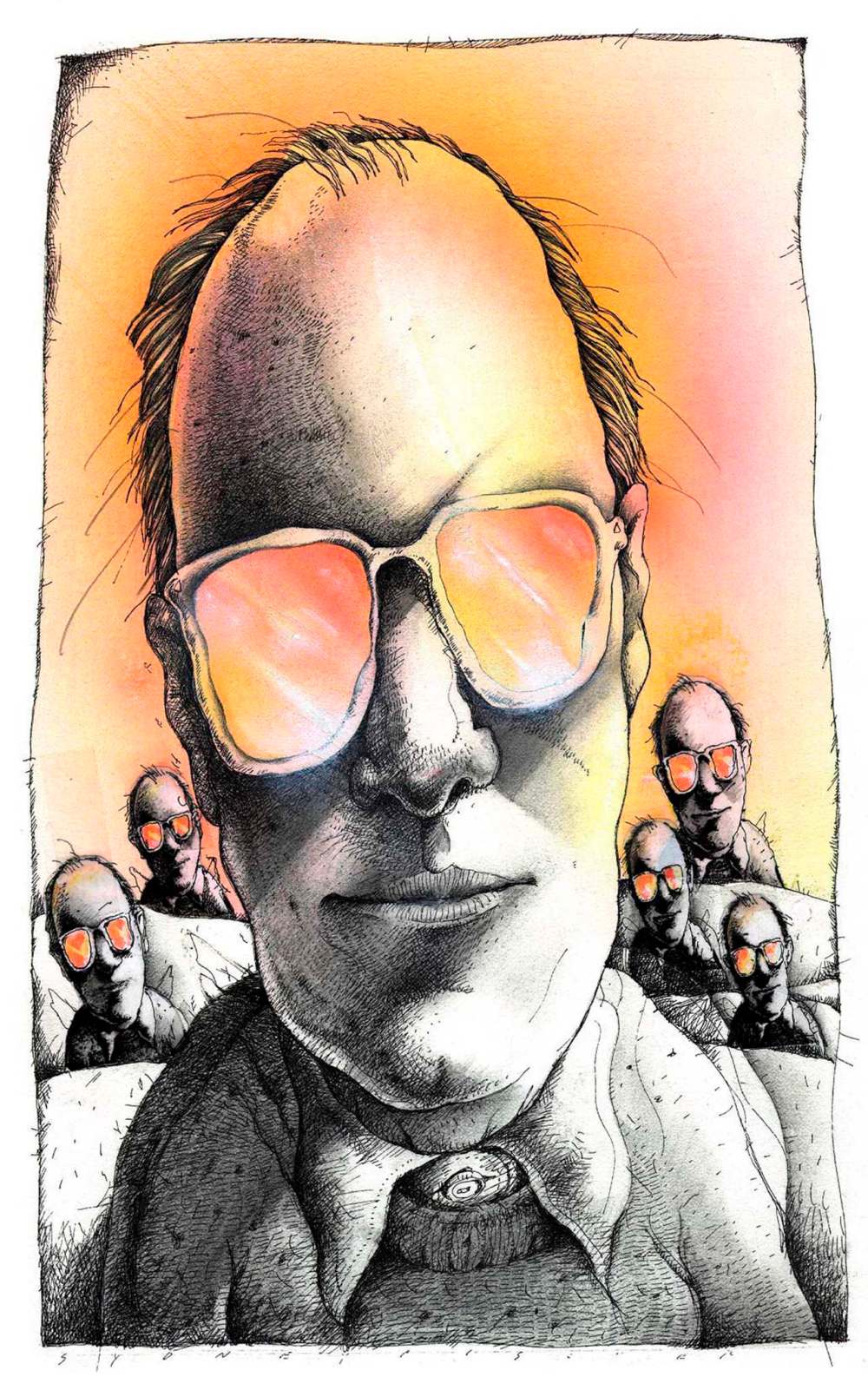
The first barrier relates to the common perspective of individualism often referred to as the “it’s all on me” attitude. This attitude puts pressure on men to handle most responsibilities on their own. The second theme identified a real fear of failure that drives men to develop unrealistic expectations and a tendency to overcompensate, often leading to burnout and at the very least, a lack of collaboration at work.
Thirdly, the research found the male attitude of “I can’t turn to anyone” leads to the avoidance of interpersonal communications that might create a sense of vulnerability, which means men miss the availability of outside help to relieve their pressure.
Lastly, the research showed that men watch their peers to help them understand the “right” behaviour that will lead them to increased status. In other words, if a new role model with new behaviour is not available, the old behaviour and the old culture will continue.
As one research participant said: “I will never ask for help. I will stay up as long as it takes for me to figure out how to do something before I ask somebody senior how to get it done.”
At the same time that we celebrate Father’s Day and the role of men in society and families, we also need to celebrate the advancement of gender equality in the workplace. However, this study found that these default male attitudes, the domination of men in the workplace and the reinforcement and support provided by the organization create an “always on, always available” culture that then creates a major challenge to the hope of gender equality.
The Deloitte study goes on to provide suggestions for business leaders on how to make a more concerted effort to change organizational culture so gender equality can grow deeper roots in the workplace.
Carolyn Lawrence, Deloitte Canada and Global’s inclusion leader and co-author of the report, points to the need to leave no stone unturned in advancing gender equality. “Canada’s business sector has seen slow progress in closing the gender gap in senior leadership roles and on corporate boards,” Lawrence writes.
The numbers in Canada back up this statement, with 2017 data showing that women occupied 28 per cent of board seats, 18 per cent of executive officers positions and only three per cent of CEO positions.
“This is despite the fact that nine out of 10 Canadian companies report making investments in gender-diversity programs to improve outcomes for women,” Lawrence added.
To move the yardstick, the report recommends leaders need to truly understand just what their expectations for success really are and how this affects gender equality.
For instance, in many cases, despite years of research to the contrary, the “ideal worker” is often still defined as someone who is totally devoted to work and “always on,” to such an extent that they will put work first over family, personal needs and health. In a gender-equality world, this view is no longer applicable. Thus, management needs to examine both the formal and informal systems and structures that sustain this outdated view and change the perception of an ideal worker.
Secondly, since employees look to their role models for guidance, leaders need to engage in self-examination and discover how their own expectations and behaviour affect others as it relates to gender equality. They then need to examine just how they build community, how they develop themselves and others and put plans in place to facilitate change.
Thirdly, organizational leaders need to make a continuous and concerted effort to manage change toward gender equality and inclusivity. This is achieved through creating and sharing your mission, communicating new values of an “ideal worker” and personally being fully immersed in the new desired behaviour.
Lawrence touched on the fact inclusion and diversity initiatives have focused on helping under-represented groups “fit in” to the status quo. “And instead, we looked at the status quo from the perspective of those who have benefited so much from it. In doing so, men were repositioned from allies and bystanders to active participants in building inclusive cultures where everyone benefits,” she writes.
“The findings in the Deloitte study suggest if we don’t consider the experiences of both men and women equally at work, we risk losing out on top talent from all genders, not just women.”
So, how do you avoid these pitfalls? Review your job descriptions, your HR policies and the informal practices that have cemented the old ways of doing things.

Create new training programs that help participants focus on defining their own success around a more holistic model and building plans to make this happen. Engage in more frequent one-on-one conversations with employees and offer personalized executive coaching to help individuals, particularly the male employees to make the transition toward a more inclusive workplace.
The male mental model of values and the expectations of what comes with this is still much entrenched in society and therefore our workplaces. It is going to take leadership and courage to create a new world of inclusivity and it is going to take feedback, personal support and reinforcement. But, it can be done.
I am confident that research will continue to demonstrate the value of changing values in society and in the workplace. For instance, men are taking on more “outside-of-work” roles and more men, like Arthrell, are taking advantage of paternity leave. More women are being appointed to leadership roles and to corporate boards.
In time, men will see that it is OK to leave the old values behind and enjoy a balanced life that includes fun and play. I can also actually see the effect of these changing values. Every day, I meet individuals who are embarking on new careers, setting aside the 24-7, 16-hour-day grind for work of higher personal value.
Barbara J. Bowes, FCPHR, CMC, CCP, M.Ed., is president of Legacy Bowes Group, the author of eight books, a radio personality, a speaker, an executive coach and a workshop leader. Additionally, she is chairwoman for the Manitoba Women’s Advisory Council. She can be reached at barb@legacybowes.com.