

Desjardins drops disease-related liability, property damage coverage for some claims
Advertisement
Read this article for free:
or
Already have an account? Log in here »
To continue reading, please subscribe:

Digital Subscription
One year of digital access for only $205*
- Enjoy unlimited reading on winnipegfreepress.com
- Read the E-Edition, our digital replica newspaper
- Access News Break, our award-winning app
- Play interactive puzzles
*First annual payment billed as $205.00 + GST for one year. This annual subscription will automatically renew at $233.00 + GST every 52 weeks (10% off the regular annual price of $259.35). Offer available to new and qualified returning subscribers only. Cancel any time.
To continue reading, please subscribe:
Add Free Press access to your Brandon Sun subscription for only an additional
$1 for the first 4 weeks*
- Enjoy unlimited reading on winnipegfreepress.com
- Read the E-Edition, our digital replica newspaper
- Access News Break, our award-winning app
- Play interactive puzzles
*Your next Brandon Sun subscription payment will increase by $1.00 and you will be charged $17.95 plus GST for four weeks. After four weeks, your payment will increase to $24.95 plus GST every four weeks.
Read unlimited articles for free today:
or
Already have an account? Log in here »
Hey there, time traveller!
This article was published 04/05/2021 (1978 days ago), so information in it may no longer be current.
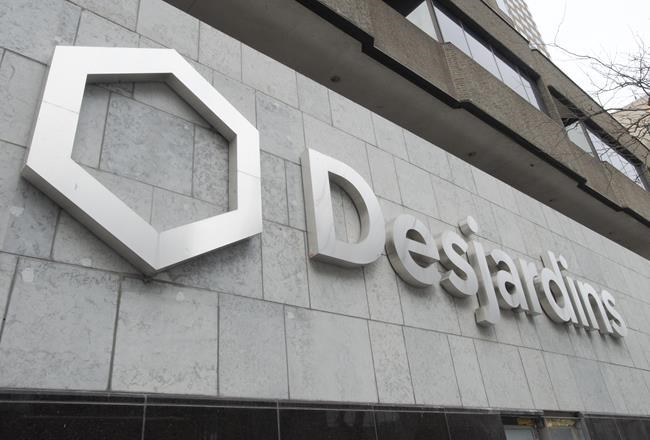
Insurance experts say consumers can expect more companies to introduce exclusions around COVID-19 after Desjardins dropped liability and property damage coverage related to communicable diseases.
In an undated letter to clients,the Montreal-based company said it will not cover them in the event they are sued for spreading a communicable disease, nor will it cover decontamination or property damage costs related to those diseases.
Desjardins public relations advisor Jessica Spina said the change in policy came after the reinsurance market started using communicable disease exclusions.
“Therefore, we wanted to define communicable disease in our policy wordings,” she said, in an email.
The Insurance Bureau of Canada, which represents the country’s insurance agencies, said the international reinsurance market has added these exclusions with Canadian insurers because pandemic risk is too widespread to reasonably insure.
“Generally, pandemic risk is not insurable as the insurance industry is… unable to diversify this risk due to it affecting all of the world at the same time,” said Vanessa Barrasa, a spokesperson with IBC.
Insurance experts around the country say they expect other providers to introduce similar exclusions to their coverage, depending on the level of risk they’re willing to take on.
“The name of the game in the insurance industry is to try and accurately estimate risk,” said Ian Lee, an associate professor with a background in insurance at Carleton University.
“It’s very difficult right now to estimate aggregate risk when the pandemic is mutating and coming up with different versions, and there’s different opinions from public health about how to deal with it.”
That’s why some insurance providers will want to wash their hands of certain coverage aspects for COVID-19, said Lee.
The IBC said the pandemic has presented challenges for insurance companies, especially as the pandemic coincided with an expensive year for weather-related claims.
It said Canadian insurance companies handed out $2.4 billion in payouts in 2020, although it’s hard to say whether all providers were negatively impacted because of the different risk profiles that insurers take on.
James Colaco, who leads Deloitte Canada’s insurance sector practice, said certain companies like auto insurance providers actually benefited from the pandemic, since most people continued to pay their premiums while driving less, therefore submitting fewer claims.
But he said providers who deal with small businesses have been hit hard after COVID-19 lockdowns led to many companies filing claims for business interruption payouts.
Anne Kleffner, a University of Calgary professor specializing in insurance and risk management, said the picture is murky on what insurers will and will not be required to pay for surround the pandemic.

She pointed out that some insurance companies were able to avoid paying for small business interruption claims, since some of those agreements are based on property damage, which wasn’t a factor during the pandemic.
Kleffner and Colaco said it will be interesting to see if the courts force insurance providers to pay for pandemic-related claims in the coming years, such as for business or liability claims.
“When insurers have to deal with the letter of the policy versus dealing with the public issue, things get thorny invariably,” said Colaco.
This report by The Canadian Press was first published May 4, 2021.
Companies in this story: (TSX:DSIA)