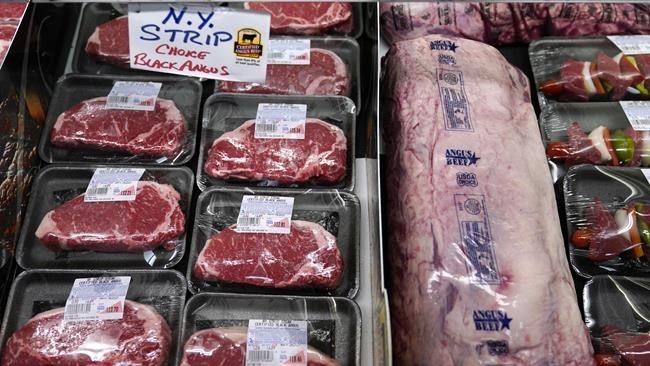
January wholesale inflation surged 9.7% from a year ago
Advertisement
Read this article for free:
or
Already have an account? Log in here »
To continue reading, please subscribe:
Digital Subscription
One year of digital access for only $1.44 a week*
- Enjoy unlimited reading on winnipegfreepress.com
- Read the E-Edition, our digital replica newspaper
- Access News Break, our award-winning app
- Play interactive puzzles
*Billed as $5.77 plus GST every four weeks. After 52 weeks, price increases to the regular rate of $19.95 plus GST every four weeks. Offer available to new and qualified returning subscribers only. Cancel any time.
To continue reading, please subscribe:
Add Free Press access to your Brandon Sun subscription for only an additional
$1 for the first 4 weeks*
- Enjoy unlimited reading on winnipegfreepress.com
- Read the E-Edition, our digital replica newspaper
- Access News Break, our award-winning app
- Play interactive puzzles
*Your next Brandon Sun subscription payment will increase by $1.00 and you will be charged $17.95 plus GST for four weeks. After four weeks, your payment will increase to $24.95 plus GST every four weeks.
Read unlimited articles for free today:
or
Already have an account? Log in here »
Hey there, time traveller!
This article was published 15/02/2022 (1705 days ago), so information in it may no longer be current.
WASHINGTON (AP) — Wholesale inflation in the United States surged again last month, rising 9.7% from a year earlier in a sign that price pressures remain high at all levels of the economy.
The Labor Department said Tuesday that its producer price index — which measures inflation before it reaches consumers — jumped 1% from December. The year-over-year increase was down from the record 9.8% recorded in both November and December but was well above what economists had been expecting.
Excluding volatile food and energy prices, wholesale inflation rose 0.8% from December and 8.3% from January 2021.
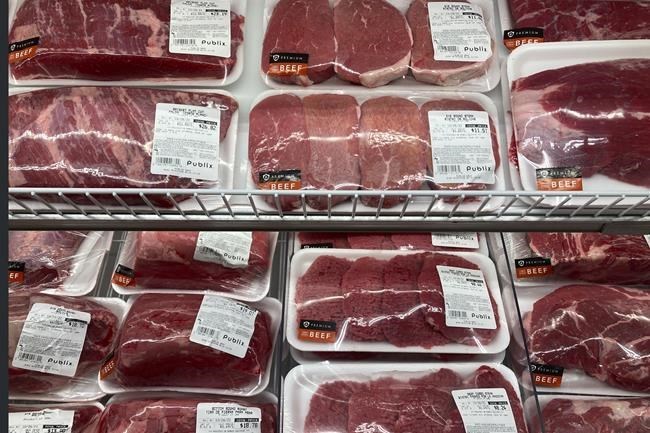
Last week, the government reported that inflation at the consumer level soared over the past year at its highest rate in four decades, squeezing households, wiping out pay raises and reinforcing the Federal Reserve’s decision to begin raising borrowing rates. The 7.5% price surge ranged across the economy, from food and furniture to apartment rents, airline fares and electricity.
Inflation, under control for four decades, re-emerged as an economic issue last year as the United States rebounded with unexpected speed from 2020’s short but devastating coronavirus recession. Caught off guard by the bounce-back, companies scrambled to find supplies and workers to meet an unexpected surge in orders from customers flush with government relief checks. Factories, ports and freight yards came under strain. Shipments were delayed and prices began to rise.
The Labor Department report showed that wholesale goods prices rose 1.3% last month from December and services climbed 0.7%, pulled up by a steep increase in the cost of outpatient hospital services.

“The latest advance in producer prices was driven by another strong gain in goods prices, but increases in services prices continued to broaden,” economists Mahir Rasheed and Kathy Bostjancic of Oxford Economics wrote in a research report. “The combination of stubborn supply disruptions and elevated energy prices will prevent producer prices from reverting to more normal patterns until later this year.”
Economists expect inflationary pressure to drop this year as supply chain bottlenecks begin to ease and the Federal Reserve begins to push up interest rates. And consumers will not be receiving government relief checks.