

Restaurants move to stop new California fast food worker law
Advertisement
Read this article for free:
or
Already have an account? Log in here »
To continue reading, please subscribe:

Digital Subscription
One year of digital access for only $205*
- Enjoy unlimited reading on winnipegfreepress.com
- Read the E-Edition, our digital replica newspaper
- Access News Break, our award-winning app
- Play interactive puzzles
*First annual payment billed as $205.00 + GST for one year. This annual subscription will automatically renew at $233.00 + GST every 52 weeks (10% off the regular annual price of $259.35). Offer available to new and qualified returning subscribers only. Cancel any time.
To continue reading, please subscribe:
Add Free Press access to your Brandon Sun subscription for only an additional
$1 for the first 4 weeks*
- Enjoy unlimited reading on winnipegfreepress.com
- Read the E-Edition, our digital replica newspaper
- Access News Break, our award-winning app
- Play interactive puzzles
*Your next Brandon Sun subscription payment will increase by $1.00 and you will be charged $17.95 plus GST for four weeks. After four weeks, your payment will increase to $24.95 plus GST every four weeks.
Read unlimited articles for free today:
or
Already have an account? Log in here »
Hey there, time traveller!
This article was published 07/09/2022 (1473 days ago), so information in it may no longer be current.
SACRAMENTO, Calif. (AP) — Restaurant owners moved Wednesday to at least temporarily block a nation-leading new California law giving more power to fast food workers.
The owners want the state’s voters to ultimately decide the law’s fate.
A coalition calling itself Protect Neighborhood Restaurants filed a referendum request with the state attorney general, the first step before the law’s opponents can begin gathering signatures. If they get enough, the law that Gov. Gavin Newsom signed on Monday, Labor Day, wouldn’t take effect unless it’s supported by a majority of voters.
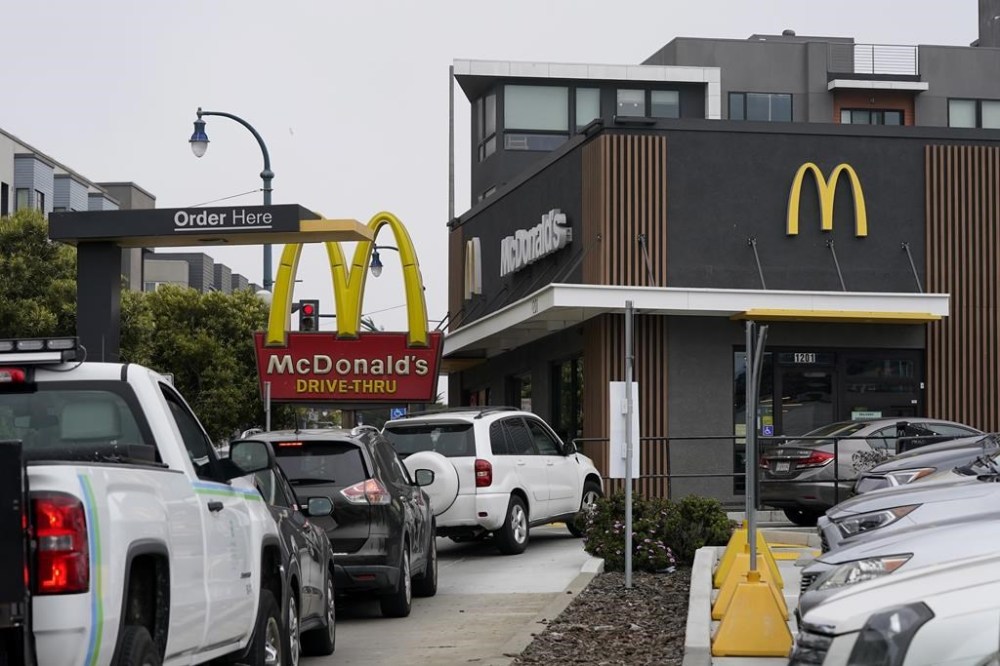
If it stands, the law will create a 10-member Fast Food Council with equal numbers of workers’ delegates and employers’ representatives, along with two state officials, who will be empowered to set minimum standards for wages, hours and working conditions in California.
The law will raise consumer costs, isn’t needed, and will create “a fractured economy” with different regulations for different types of restaurants, objected the coalition. The coalition is co-chaired by the International Franchise Association and the National Restaurant Association, but organizers said it includes small business owners, restaurateurs, franchisees, employees, consumers, and community-based organizations.
“As a result of backroom politicking, Governor Newsom has signed a lie into law and maligned all of California’s quick service small businesses and local franchisees as bad employers,” the group said.
It said Newsom, a Democrat, signed the bill against the advice of his own Department of Finance “to curry favor with special interest groups and organized labor.”
Newsom’s office did not respond to repeated requests for comment.
“It is saddening that the industry is looking for a way out of providing a seat at the table amongst all stakeholders,” said the bill’s author, Democratic Assemblyman Chris Holden. He said the workers “make the multi-billion fast food industry possible” and that “giving equal representation of employees and employers is the recipe for sustainable, long-term growth in an inclusive manner.”

Service Employees International Union California President David Huerta said the restaurant chains “are attempting to overthrow cooks and cashiers’ historic victory.”
“Instead of pouring money to suppress the voices of Black and Latino cooks and cashiers, fast-food corporations should sit down and listen to them.” he said.
The opponents would not immediately say if they are shooting for this November’s ballot or for the 2024 election.
Rules are different for referenda, which seek to overturn laws, than for ballot initiatives that seek to enact them. They can go on the ballot with an expedited process, as little as a month before the election. That compares to initiatives, which must qualify 131 days before.
But to qualify for this November’s ballot the opponents would have to gather more than 600,000 signatures within a few weeks, or 5% of the votes cast for all candidates for governor in the 2018 election. That makes it far more likely the referendum would go before voters in November 2024 if opponents take the full 90 days they are allotted to gather signatures, with the law on hold until voters weigh in.