

Germany takes control of 3 Russian-owned oil refineries
Advertisement
Read this article for free:
or
Already have an account? Log in here »
To continue reading, please subscribe:

Digital Subscription
One year of digital access for only $205*
- Enjoy unlimited reading on winnipegfreepress.com
- Read the E-Edition, our digital replica newspaper
- Access News Break, our award-winning app
- Play interactive puzzles
*First annual payment billed as $205.00 + GST for one year. This annual subscription will automatically renew at $233.00 + GST every 52 weeks (10% off the regular annual price of $259.35). Offer available to new and qualified returning subscribers only. Cancel any time.
To continue reading, please subscribe:
Add Free Press access to your Brandon Sun subscription for only an additional
$1 for the first 4 weeks*
- Enjoy unlimited reading on winnipegfreepress.com
- Read the E-Edition, our digital replica newspaper
- Access News Break, our award-winning app
- Play interactive puzzles
*Your next Brandon Sun subscription payment will increase by $1.00 and you will be charged $17.95 plus GST for four weeks. After four weeks, your payment will increase to $24.95 plus GST every four weeks.
Read unlimited articles for free today:
or
Already have an account? Log in here »
Hey there, time traveller!
This article was published 16/09/2022 (1465 days ago), so information in it may no longer be current.
BERLIN (AP) — Germany is taking control of three Russian-owned refineries in the country to ensure energy security before an embargo on oil from Russia takes effect next year, officials said Friday.
Two subsidiaries of Russian oil giant Rosneft — Rosneft Deutschland GmbH and RN Refining & Marketing GmbH — will be put under the administration of Germany’s Federal Network Agency, the Economy Ministry said in a statement.
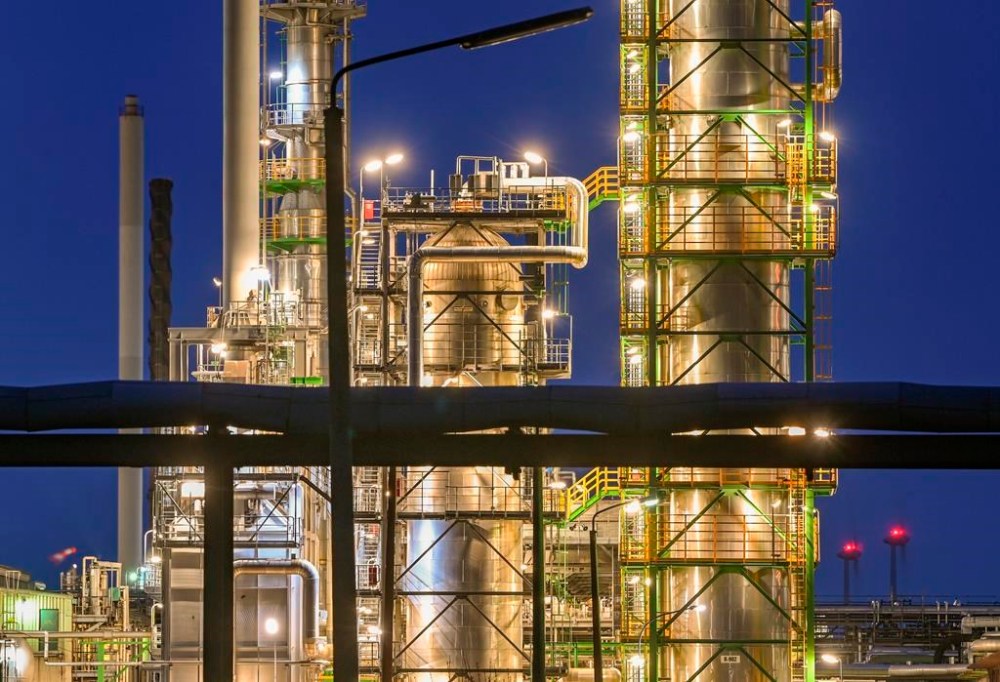
As a result, the agency will also control the companies’ shares in the refineries PCK Schwedt, MiRo and Bayernoil, located in the east and south of Germany.
“This is a far-reaching energy policy decision to protect our country,” German Chancellor Olaf Scholz said. “We’ve long known that Russia isn’t a reliable supplier of energy anymore.”
“With today’s decision, we’re ensuring that Germany is supplied with oil in the medium- and long-term as well,” Scholz said. “That is particularly true for the Schwedt refinery.”
The facility provides petroleum products to much of northeastern Germany, including Berlin.

Rosneft accounts for about 12% of Germany’s oil refining capacity, importing oil worth several hundred million euros (dollars) every month, the ministry said.
It said the move would help ensure continued energy supplies and was initially due to last for six months.
Rosneft had previously made clear it had no intention to stop imports of oil via the Druzhba pipeline, which runs from Russia through Ukraine to refineries in central Europe, despite a looming EU embargo coming into force on Jan 1, 2023.
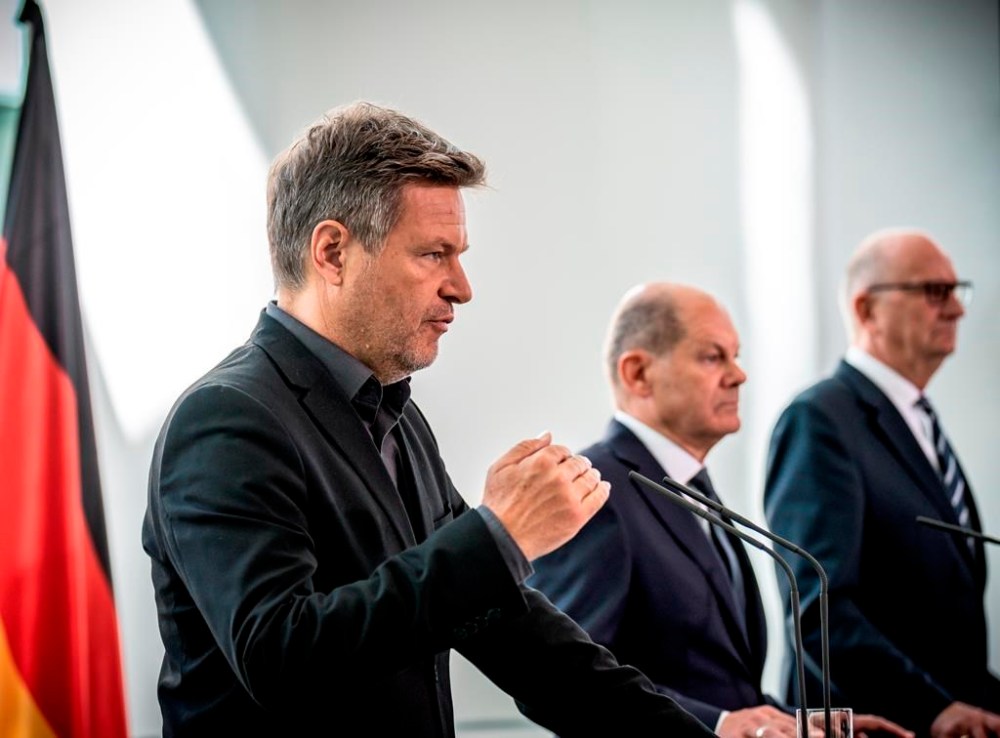
Scholz said a 1-billion-euro (dollar) aid package would secure jobs for about 1,200 people currently working at the PCK refinery in Schwedt and help with its long-term transformation as part of the transition toward a green economy.
Economy Minister Robert Habeck said the refinery would in the future receive oil through a pipeline from the port city of Rostock and via neighboring Poland, which had refused to provide supplies as long as there was a risk that Rosneft might profit from them.