

Latest floating LNG terminal arrives at German port
Advertisement
Read this article for free:
or
Already have an account? Log in here »
To continue reading, please subscribe:

Digital Subscription
One year of digital access for only $205*
- Enjoy unlimited reading on winnipegfreepress.com
- Read the E-Edition, our digital replica newspaper
- Access News Break, our award-winning app
- Play interactive puzzles
*First annual payment billed as $205.00 + GST for one year. This annual subscription will automatically renew at $233.00 + GST every 52 weeks (10% off the regular annual price of $259.35). Offer available to new and qualified returning subscribers only. Cancel any time.
To continue reading, please subscribe:
Add Free Press access to your Brandon Sun subscription for only an additional
$1 for the first 4 weeks*
- Enjoy unlimited reading on winnipegfreepress.com
- Read the E-Edition, our digital replica newspaper
- Access News Break, our award-winning app
- Play interactive puzzles
*Your next Brandon Sun subscription payment will increase by $1.00 and you will be charged $17.95 plus GST for four weeks. After four weeks, your payment will increase to $24.95 plus GST every four weeks.
Read unlimited articles for free today:
or
Already have an account? Log in here »
Hey there, time traveller!
This article was published 15/12/2022 (1329 days ago), so information in it may no longer be current.
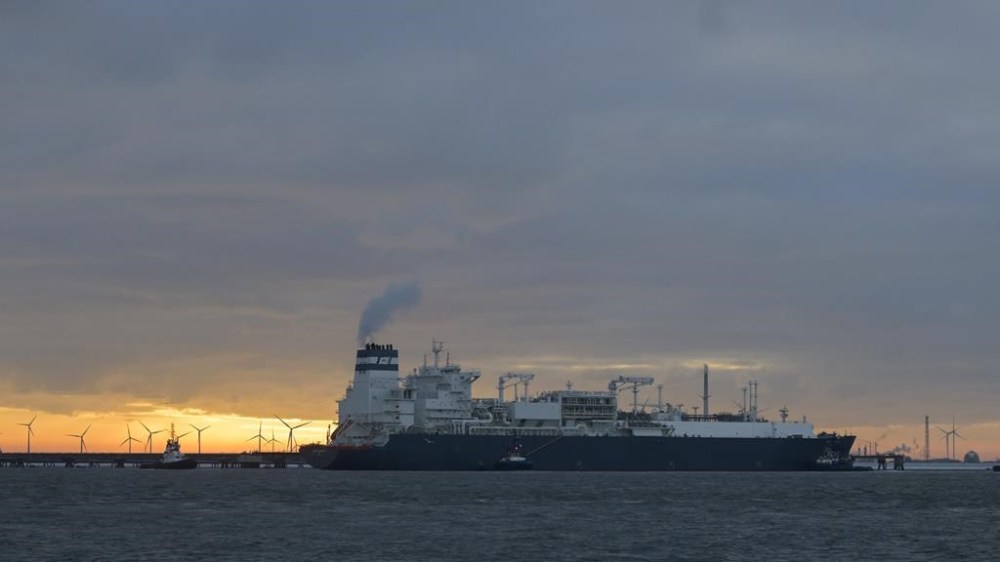
BERLIN (AP) — A ship that will serve as one of Germany’s floating terminals for liquefied natural gas imports arrived at the port of Wilhelmshaven Thursday, as German officials warned the country is not saving enough energy at the start of a difficult winter.
The 300-meter-long (900-foot-long) Höegh Esperanza pulled into Wilhelmshaven’s Jade Weser Port where it is expected to begin operation on Dec. 22.
The German government has leased five such Floating Storage and Regasification Units, or FSRUs, at a cost of almost 10 billion euros ($10.7 billion), though it hopes to recoup some of that money from energy companies through ship operation fees. Another ship that will be used as a floating terminal arrived late last month off the Baltic Sea port of Mukran.
In response to Russia’s invasion of Ukraine, Germany has scrambled to secure alternative sources of gas to replace Russian supplies, on which the country had long relied.
The floating terminals are part of a drive to prevent an energy crunch that also includes temporarily reactivating old oil- and coal-fired power stations and extending the life of Germany’s last three nuclear power plants, which were supposed to be switched off at the end of this year, until mid-April.
Top German officials, including Chancellor Olaf Scholz, Economy Minister Robert Habeck and Finance Minister Christian Lindner, are due to attend a ceremony Saturday in Wilhelmshaven formally inaugurating the terminal.
The ship’s arrival coincided with warnings from German officials that the country is not reducing its gas usage enough to ensure energy security through the winter.
Due to chilly temperatures across the country in the previous week, gas usage was only down 5.2% compared with the same week in recent years, far less than the country’s stated 20% reduction goal.

“We consider these small savings to be manageable at the moment as long as they remain an outlier,” Klaus Mueller, head of the country’s network agency told the German news agency dpa. “We have taken good precautions, but we need to remain vigilant.”
Also on Thursday, the German Bundestag approved a so-called energy price brake, which will cap energy costs for both private households and businesses. The measure is intended to ease the economic pressure in the wake of rising energy prices.