

Chinese company rejects rights accusation after US sanctions
Advertisement
Read this article for free:
or
Already have an account? Log in here »
To continue reading, please subscribe:
Digital Subscription
One year of digital access for only $1.44 a week*
- Enjoy unlimited reading on winnipegfreepress.com
- Read the E-Edition, our digital replica newspaper
- Access News Break, our award-winning app
- Play interactive puzzles
*Billed as $5.77 plus GST every four weeks. After 52 weeks, price increases to the regular rate of $19.95 plus GST every four weeks. Offer available to new and qualified returning subscribers only. Cancel any time.
To continue reading, please subscribe:
Add Free Press access to your Brandon Sun subscription for only an additional
$1 for the first 4 weeks*
- Enjoy unlimited reading on winnipegfreepress.com
- Read the E-Edition, our digital replica newspaper
- Access News Break, our award-winning app
- Play interactive puzzles
*Your next Brandon Sun subscription payment will increase by $1.00 and you will be charged $17.95 plus GST for four weeks. After four weeks, your payment will increase to $24.95 plus GST every four weeks.
Read unlimited articles for free today:
or
Already have an account? Log in here »
Hey there, time traveller!
This article was published 04/03/2023 (1184 days ago), so information in it may no longer be current.
BEIJING (AP) — BGI Group, one of the world’s biggest genetics analysis companies, said Sunday it never would be involved in human rights abuses after the U.S. government said there was a danger some of its units might contribute to Chinese surveillance.
Three BGI units were among Chinese companies added to an “entity list” last week that limits access to U.S. technology on security or human rights grounds. The Commerce Department cited a risk BGI technology might contribute to surveillance. Activists say Beijing is trying to create a database of genetic information from Muslims and other Chinese minorities.
The Chinese government accused Washington on Friday of improperly attacking China’s companies.
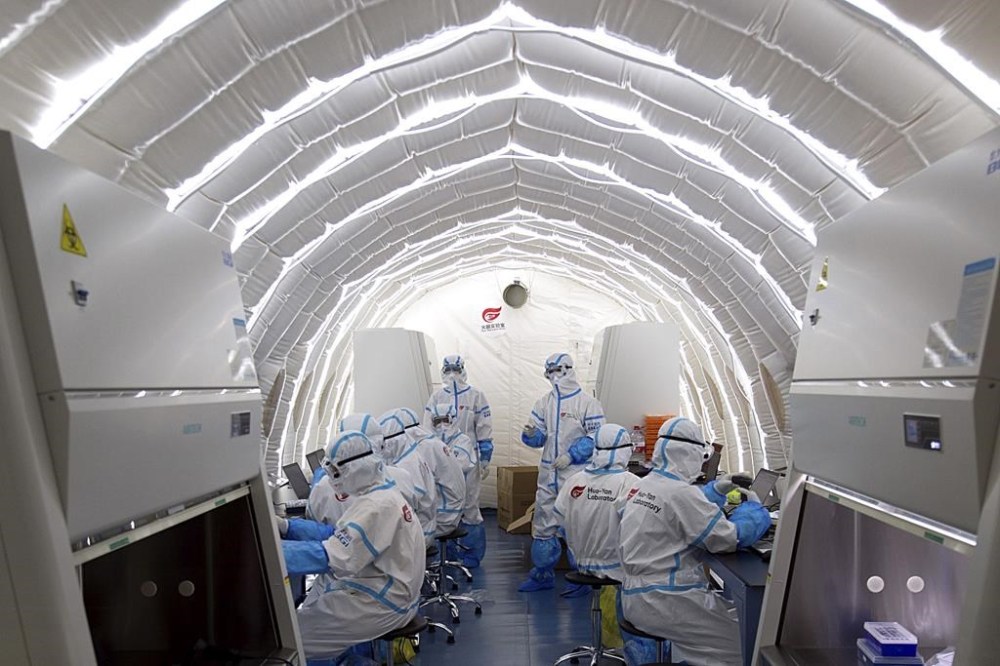
BGI, headquartered in the southern city of Shenzhen, said its services are only for civilian and scientific purposes.
The U.S. decision “may have been impacted by misinformation and we are willing and able to clarify,” BGI Group said in an emailed response to questions. It didn’t mention Uyghurs or other Muslim minorities but previously has denied it provided technology to surveil them.
“BGI Group does not condone and would never be involved in any human-rights abuses,” the company said.

The “entity list” designation requires BGI Research, Forensic Genomics International and BGI Tech Solutions (Hongkong) Co., Ltd. to obtain government permission to acquire sensitive U.S. technology.
Other Chinese companies were cited for their role in the ruling Communist Party’s military modernization or weapons development by Iran and Pakistan and suspected human rights abuses in Myanmar.
Washington has accused China of trying to use civilian companies to obtain processor chip, aerospace and other technologies with possible military or security uses.
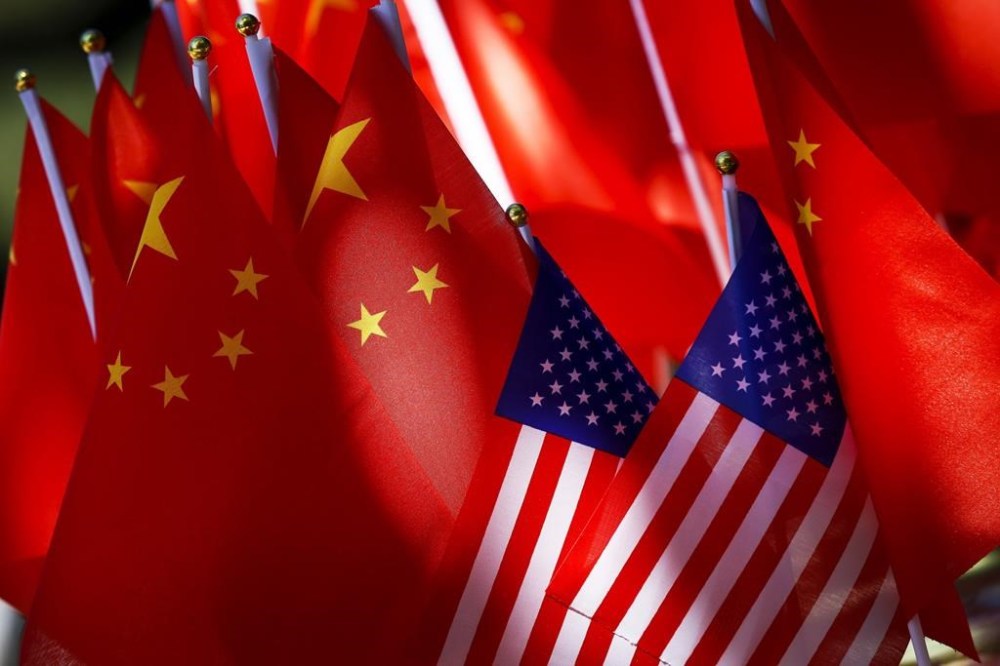
Beijing retaliated for earlier U.S. restrictions by creating its own “unreliable entity” list of foreign companies that might endanger China’s national sovereignty, security or development interests.
Lockheed Martin Corp. and Raytheon Technologies Corp.’s Raytheon Missiles and Defense unit were added to the restricted list last month after they supplied weapons to Taiwan, the island democracy claimed by Beijing as part of its territory. They are barred from importing goods into China or making new investments in the country.