

More than 40% of farm operators to retire by 2033: report
Advertisement
Read this article for free:
or
Already have an account? Log in here »
To continue reading, please subscribe:

Digital Subscription
One year of digital access for only $205*
- Enjoy unlimited reading on winnipegfreepress.com
- Read the E-Edition, our digital replica newspaper
- Access News Break, our award-winning app
- Play interactive puzzles
*First annual payment billed as $205.00 + GST for one year. This annual subscription will automatically renew at $233.00 + GST every 52 weeks (10% off the regular annual price of $259.35). Offer available to new and qualified returning subscribers only. Cancel any time.
To continue reading, please subscribe:
Add Free Press access to your Brandon Sun subscription for only an additional
$1 for the first 4 weeks*
- Enjoy unlimited reading on winnipegfreepress.com
- Read the E-Edition, our digital replica newspaper
- Access News Break, our award-winning app
- Play interactive puzzles
*Your next Brandon Sun subscription payment will increase by $1.00 and you will be charged $17.95 plus GST for four weeks. After four weeks, your payment will increase to $24.95 plus GST every four weeks.
Read unlimited articles for free today:
or
Already have an account? Log in here »
Hey there, time traveller!
This article was published 10/04/2023 (1257 days ago), so information in it may no longer be current.
TORONTO – A new report says more than 40 per cent of farm operators will retire over the next decade, leaving Canada with a shortage.
The report from the Royal Bank of Canada, Boston Consulting Group Centre for Canada’s Future and Arrell Food Institute at the University of Guelph says the country will be short 24,000 general farm, nursery and greenhouse operators.
It also estimates that 66 per cent of producers do not have a succession plan in place.
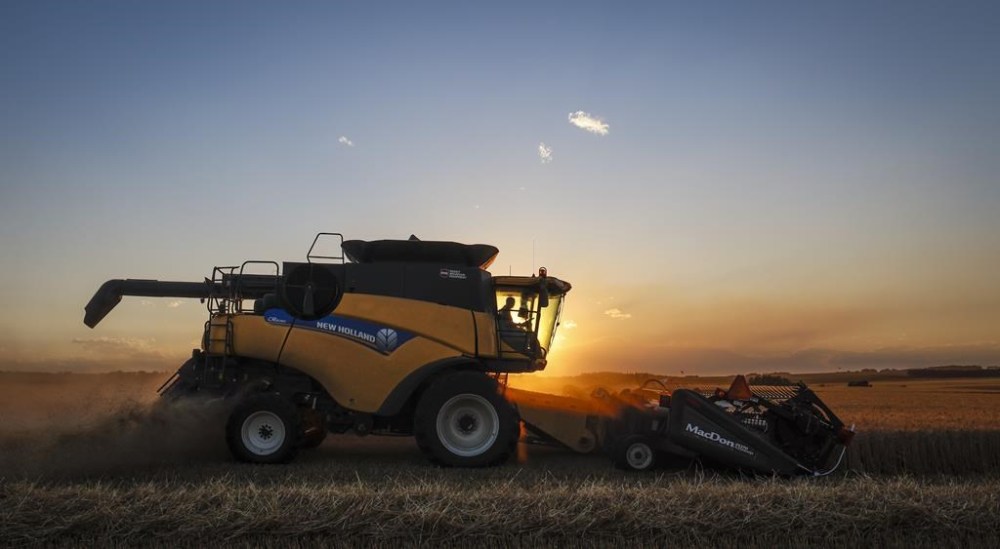
To address the shortage and lack of succession plans, the report says Canada will need to accept 30,000 permanent immigrants by 2033 to take over existing farms and greenhouses or establish their own.
It also recommends the country build a new pipeline of domestic operators and workers by bolstering agriculture education and increasing spending on automation, which can make existing farms more efficient.
The report says the shortage will come at critical moment because Canada’s agricultural sector will need to produce significantly more food for a growing world population, but must also cut emissions to meet climate targets.

This report by The Canadian Press was first published April 10, 2023.
Companies in this story: (TSX:RY)
Related Articles
11 states consider 'right to repair' for farming equipment
Advertisement Advertise With Us
Advertisement Advertise With Us