

Report criticizes Dutch authorities over risky emissions
Advertisement
Read this article for free:
or
Already have an account? Log in here »
To continue reading, please subscribe:

Digital Subscription
One year of digital access for only $205*
- Enjoy unlimited reading on winnipegfreepress.com
- Read the E-Edition, our digital replica newspaper
- Access News Break, our award-winning app
- Play interactive puzzles
*First annual payment billed as $205.00 + GST for one year. This annual subscription will automatically renew at $233.00 + GST every 52 weeks (10% off the regular annual price of $259.35). Offer available to new and qualified returning subscribers only. Cancel any time.
To continue reading, please subscribe:
Add Free Press access to your Brandon Sun subscription for only an additional
$1 for the first 4 weeks*
- Enjoy unlimited reading on winnipegfreepress.com
- Read the E-Edition, our digital replica newspaper
- Access News Break, our award-winning app
- Play interactive puzzles
*Your next Brandon Sun subscription payment will increase by $1.00 and you will be charged $17.95 plus GST for four weeks. After four weeks, your payment will increase to $24.95 plus GST every four weeks.
Read unlimited articles for free today:
or
Already have an account? Log in here »
Hey there, time traveller!
This article was published 13/04/2023 (1257 days ago), so information in it may no longer be current.
THE HAGUE, Netherlands (AP) — Businesses and local governments in the Netherlands must do more to protect residents who live near large industrial plants against the damaging effects of emissions, an independent report concluded Thursday.
The investigation by the Dutch Safety Board was launched amid long-standing concerns that residents were being exposed to potentially dangerous emissions and anger that companies and local authorities were not responsive.
The probe initially focused on a Tata Steel plant in the North Sea coastal town of Ijmuiden. It was later expanded to include a Chemours chemical plant in Dordrecht and an asphalt manufacturer in Nijmegen.
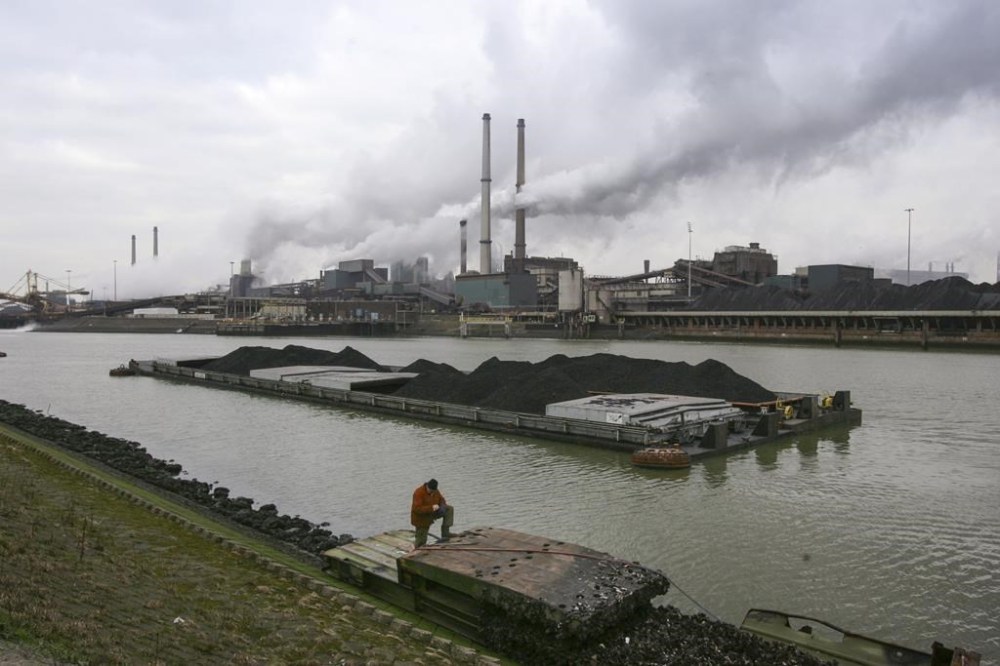
The Tata Steel plant has long been a source of concern for local residents. Dutch prosecutors last year opened a criminal investigation into alleged “intentional and unlawful introduction of hazardous substances into the soil, air or surface water.” In addition, the probe targets Harsco Metals Holland, a company that also operates at the Tata Steel plant in Ijmuiden.
“Local governments and environmental services must make better use of the current system of licensing, supervision and enforcement to protect the health of local residents,” the Dutch Safety Board said in its report.
“Due to a lack of knowledge, capacity and sense of urgency, the government often acts reactively. This means that harmful emissions can continue for a long time,” the board said.
Tata said in a reaction on its website that the investigation’s conclusions “speak for themselves.”

“We embrace the conclusion that there needs to be a better picture of the effect of industry emissions on the environment and that even more efforts need to be made to reduce these effects,” the company said.
In a reaction, Chemours said it continued “to invest in measures that significantly further reduce our emissions. In doing so, we work as closely as possible with the government in setting and achieving ambitious environmental goals. We also actively seek dialogue with the people around us.”