

Dutch leader pledges to repay debt to quake-hit region
Advertisement
Read this article for free:
or
Already have an account? Log in here »
To continue reading, please subscribe:

Digital Subscription
One year of digital access for only $205*
- Enjoy unlimited reading on winnipegfreepress.com
- Read the E-Edition, our digital replica newspaper
- Access News Break, our award-winning app
- Play interactive puzzles
*First annual payment billed as $205.00 + GST for one year. This annual subscription will automatically renew at $233.00 + GST every 52 weeks (10% off the regular annual price of $259.35). Offer available to new and qualified returning subscribers only. Cancel any time.
To continue reading, please subscribe:
Add Free Press access to your Brandon Sun subscription for only an additional
$1 for the first 4 weeks*
- Enjoy unlimited reading on winnipegfreepress.com
- Read the E-Edition, our digital replica newspaper
- Access News Break, our award-winning app
- Play interactive puzzles
*Your next Brandon Sun subscription payment will increase by $1.00 and you will be charged $17.95 plus GST for four weeks. After four weeks, your payment will increase to $24.95 plus GST every four weeks.
Read unlimited articles for free today:
or
Already have an account? Log in here »
Hey there, time traveller!
This article was published 25/04/2023 (1243 days ago), so information in it may no longer be current.
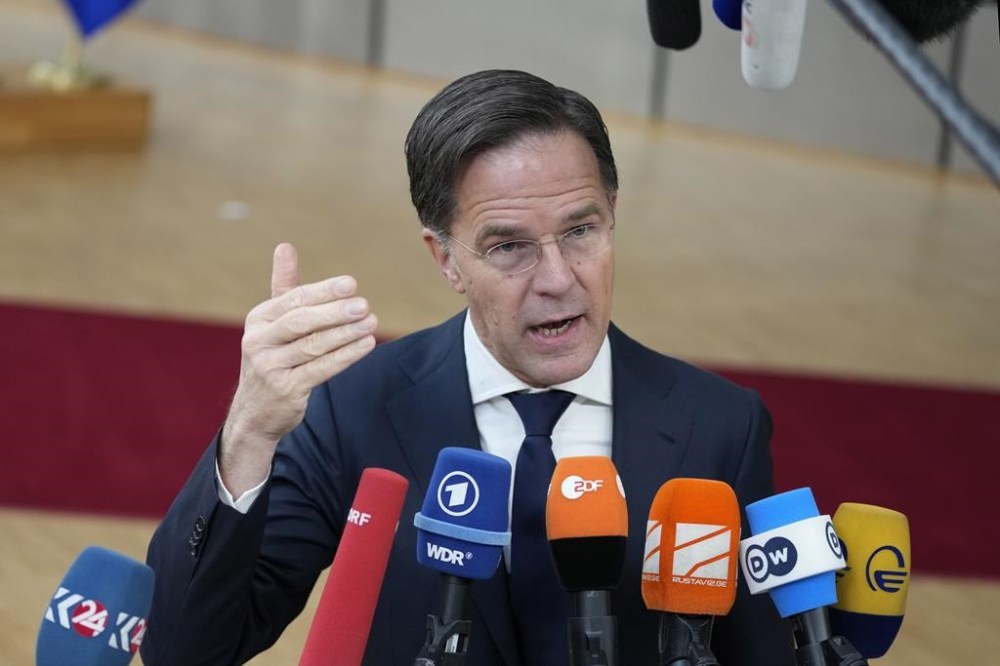
THE HAGUE, Netherlands (AP) — Dutch Prime Minister Mark Rutte apologized Tuesday to residents of the northern province of Groningen who have suffered for years from earthquakes caused by gas extraction that damaged thousands of homes and ruined lives.
Rutte’s apology and a pledge to fund a generation-long program to revitalize the remote region came as his government published its official reaction to a damning parliamentary commission report issued in February that said the government owed the Groningen region a “debt of honor” after putting gas profits before people for decades.
“We stand here, cap in hand,” Rutte told residents in the northern village of Garmerwolde. “We can’t take away all the suffering from the past. We can’t undo what has gone wrong since gas extraction started. But we are determined to do things differently, working closely with the people here. And that means a commitment of years, an approach for an entire generation.”
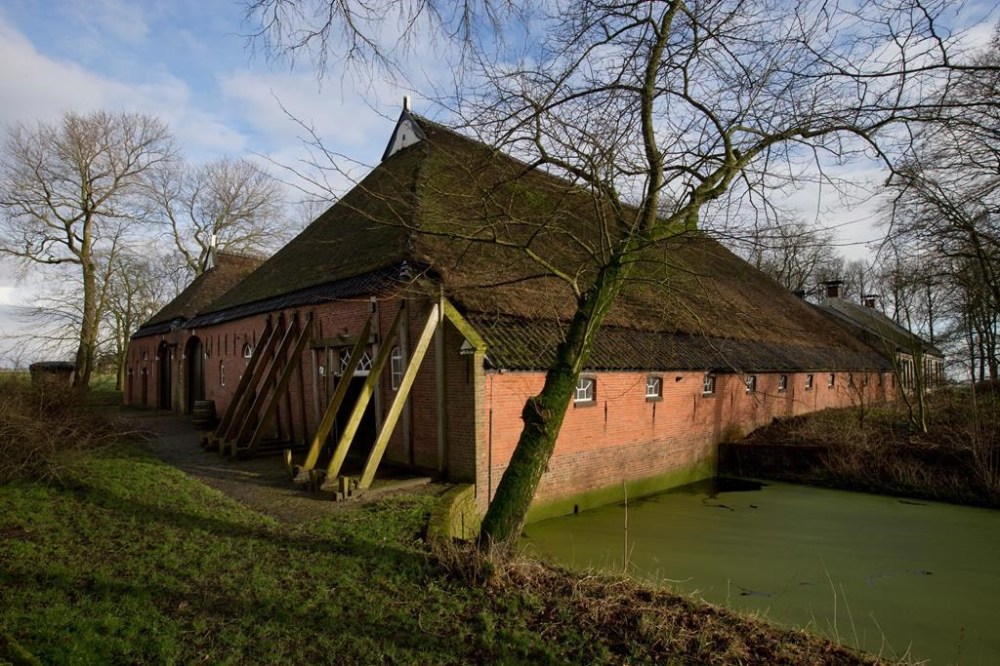
The government pledged to end all gas extraction — which has already been scaled back to almost nothing — by October, or by 2024 at the latest. It also said it will spend at least 22 billion euros ($24.25 billion) on paying for repairs to homes and infrastructure and to “invest in the long-term economic perspective” of the region.
Groningen has for years been a hotbed of discontent fueled by the earthquakes and faltering government attempts to compensate residents. Local authorities in the region called the package “a step in the right direction,” but in a written statement said they doubt if it would be enough to solve problems with damage repair and strengthening” of buildings.
“It is certainly not enough to repay the ‘debt of honor’ that has arisen in decades of gas extraction,” they said.
A consortium including energy giants Shell and ExxonMobil extracted gas from the huge Groningen underground reserves for decades before the government took a decision in 2018 to gradually stop pumping gas out of the Groningen field — one of the world’s largest at 2,800 billion cubic meters.
The parliamentary inquiry said the huge profits — over the years the Dutch state earned 363 billion euros from Groningen gas — blinded successive governments to the plight of people in the region.
“The interests of the people of Groningen have been structurally ignored in natural gas extraction in Groningen, with disastrous consequences for the people of Groningen,” the commission responsible for the report said in a statement in February.
While gas extraction in Groningen is soon coming to an end, efforts are still underway to pump gas from under the North Sea off the Dutch coast.

A court in The Hague on Tuesday called a temporary halt to plans by a Dutch company, ONE-Dyas, to develop a new gas field under Dutch and German waters close to the German island of Borkum.
German environmentalists welcomed the ruling by a judge in The Hague in challenges to the Dutch government’s decision to grant permission for the project.
Sascha Mueller-Kraenner, chief executive of the German environmental group DUH, that along with other groups filed the legal challenges, called it “an important step for the protection of the North Sea.”
ONE-Dyas said in a written reaction that it’s examining the ruling and added that it regrets that the decision “blocks our further preparations for the production of natural gas from the N05-A field in the North Sea.”
The company said it “threatens to put out of sight our goal to contribute to the demand for natural gas in the Netherlands and Germany with domestic natural gas as long as this domestic demand exists.”