

US sanctions Russian intelligence-linked group over efforts to destabilize pro-Western Moldova
Advertisement
Read this article for free:
or
Already have an account? Log in here »
To continue reading, please subscribe:

Digital Subscription
One year of digital access for only $205*
- Enjoy unlimited reading on winnipegfreepress.com
- Read the E-Edition, our digital replica newspaper
- Access News Break, our award-winning app
- Play interactive puzzles
*First annual payment billed as $205.00 + GST for one year. This annual subscription will automatically renew at $233.00 + GST every 52 weeks (10% off the regular annual price of $259.35). Offer available to new and qualified returning subscribers only. Cancel any time.
To continue reading, please subscribe:
Add Free Press access to your Brandon Sun subscription for only an additional
$1 for the first 4 weeks*
- Enjoy unlimited reading on winnipegfreepress.com
- Read the E-Edition, our digital replica newspaper
- Access News Break, our award-winning app
- Play interactive puzzles
*Your next Brandon Sun subscription payment will increase by $1.00 and you will be charged $17.95 plus GST for four weeks. After four weeks, your payment will increase to $24.95 plus GST every four weeks.
Read unlimited articles for free today:
or
Already have an account? Log in here »
Hey there, time traveller!
This article was published 05/06/2023 (1200 days ago), so information in it may no longer be current.
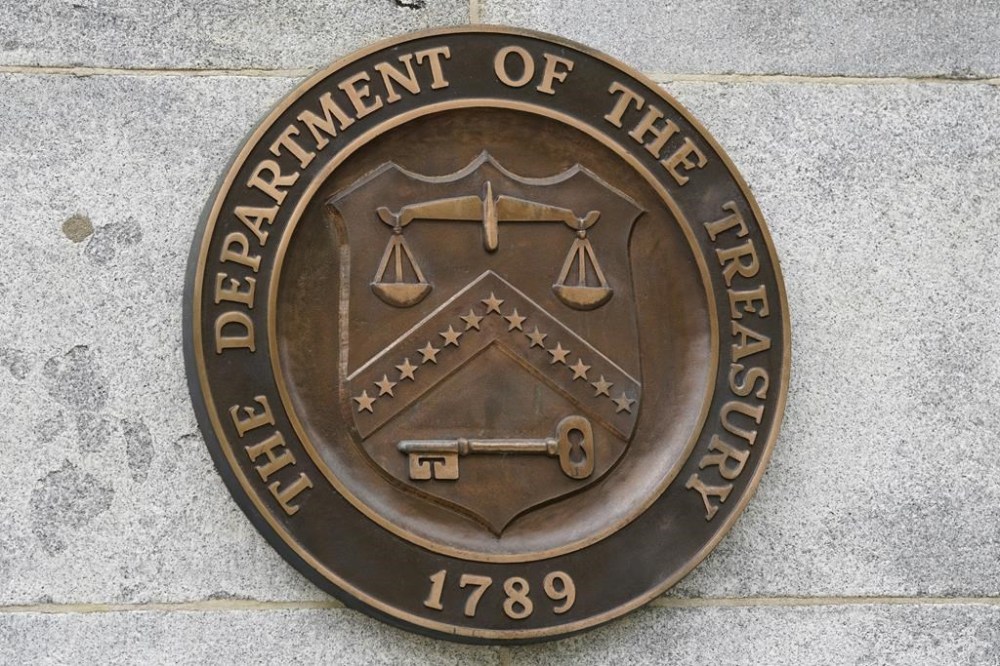
WASHINGTON (AP) — The U.S. imposed sanctions Monday on a group of people linked to Russian intelligence who it said had helped the Kremlin destabilize Moldova’s democratically elected, pro-Western government through protests in the Moldovan capital earlier this year.
The Treasury Department’s Office of Foreign Assets Control designated seven members of a group linked to a sanctioned Moldovan oligarch, Ilan Shor, who fled Moldova in 2019 to evade a string of corruption charges and has since lived in Israel, where he was born. Shor, 36, is also the leader of Moldova’s Moscow-friendly Shor Party, which has held recurring anti-government protests since last fall.
The protesters have demanded that the government fully subsidize citizens’ winter energy bills during a cost-of-living crisis and “not involve the country in war.” They also have called for Moldovan President Maia Sandu to step down.
“These actors are a part of Russia’s global information operations that have also targeted the United States, the European Union, the United Kingdom, and countries in the Balkans,” U.S. Secretary of State Antony Blinken said in a statement Monday. “The goal of these destabilizing operations is to weaken support for democratic governments and principles.”
Moldova — which was part of the Soviet Union until 1991 and last year applied to join the European Union — has for years been a geopolitical battleground between Moscow and the West.
Since Russia invaded Ukraine, Moldova’s neighbor, the country of 2.6 million people has been beleaguered by problems. These include an acute energy crisis after Moscow reduced gas supplies, rampant inflation and errant missiles from the war entering its airspace.
In February, Sandu accused Moscow of plotting to use the protests to foment unrest, with the ultimate aim of toppling her government. While Moscow denied those charges, U.S. intelligence officials later expressed similar concerns.
In March, Moldovan police said they foiled a plot by groups of Russia-backed actors who were trained to cause mass unrest during a protest.
Last month, a pro-European rally was held in Moldova’s capital, Chisinau, where tens of thousands converged to express their support for the government and the country’s path toward the EU. Moldova last week became the center of European diplomacy as it hosted a major summit designed to quell regional conflicts and to shore up Europe’s unity in the face of Russia’s war.
The U.S. Embassy in Moldova reacted to Monday’s sanctions by saying in a statement that “Moldova’s future is in Europe,” adding: “Unfortunately, there are outside forces that do not respect the choices the Moldova people have freely made.”

The U.S. sanctioned Shor last fall, claiming that he worked with “corrupt oligarchs and Moscow-based entities to create political unrest in Moldova” and to undermine the country’s bid to join the European Union. The U.K. added Shor to a sanctions list in December.
Shor was sentenced in absentia in April to 15 years in jail for his role in the case of $1 billion that went missing from Moldovan banks in 2014, which severely weakened the country.
In October, the Treasury Department also sanctioned Yury Gudilin, Olga Grak and Leonid Gonin for attempting to influence the outcome of Moldova’s elections.
—
McGrath reported from Sighisoara, Romania.
Advertisement Advertise With Us
Advertisement Advertise With Us