

Highway safety agency reports power problems in 2022 Hyundai Ioniq 5 SUVs
Advertisement
Read this article for free:
or
Already have an account? Log in here »
To continue reading, please subscribe:

Digital Subscription
One year of digital access for only $205*
- Enjoy unlimited reading on winnipegfreepress.com
- Read the E-Edition, our digital replica newspaper
- Access News Break, our award-winning app
- Play interactive puzzles
*First annual payment billed as $205.00 + GST for one year. This annual subscription will automatically renew at $233.00 + GST every 52 weeks (10% off the regular annual price of $259.35). Offer available to new and qualified returning subscribers only. Cancel any time.
To continue reading, please subscribe:
Add Free Press access to your Brandon Sun subscription for only an additional
$1 for the first 4 weeks*
- Enjoy unlimited reading on winnipegfreepress.com
- Read the E-Edition, our digital replica newspaper
- Access News Break, our award-winning app
- Play interactive puzzles
*Your next Brandon Sun subscription payment will increase by $1.00 and you will be charged $17.95 plus GST for four weeks. After four weeks, your payment will increase to $24.95 plus GST every four weeks.
Read unlimited articles for free today:
or
Already have an account? Log in here »
Hey there, time traveller!
This article was published 17/06/2023 (1211 days ago), so information in it may no longer be current.
DETROIT (AP) — Multiple U.S. owners of Hyundai’s popular Ioniq 5 electric SUV have complained of completely or partially losing propulsive power, many after hearing a loud popping noise, the National Highway Traffic Safety Administration said Saturday.
Hyundai said it would offer a software update beginning next month and replace affected components if necessary.
The NHTSA said in a notice posted online that it received 30 complaints about the problem in 2022 models, of which it estimated 39,500 were on U.S. highways.
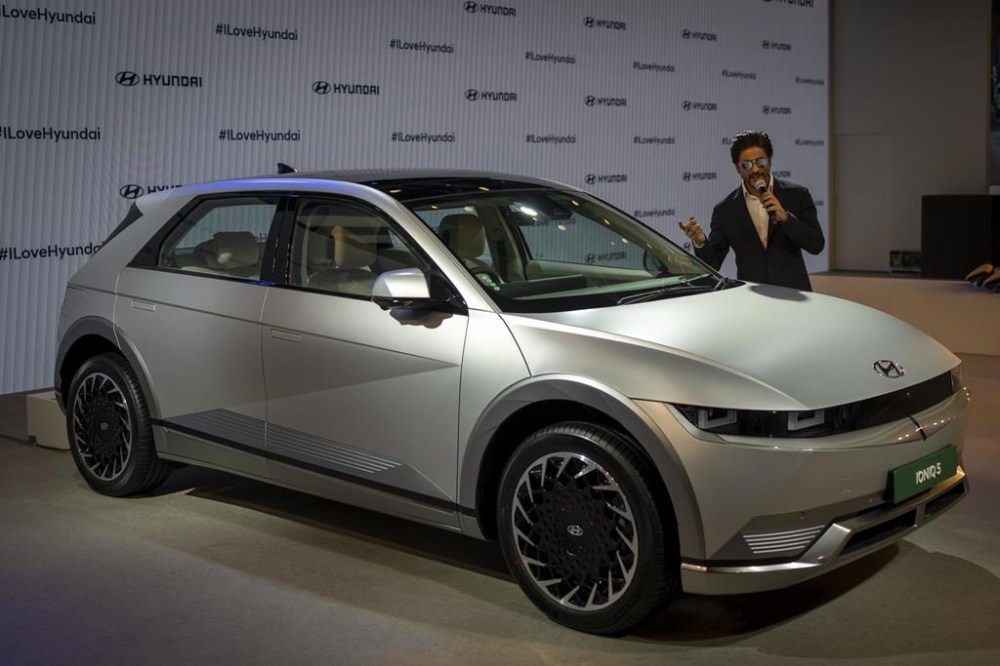
The Office of Defects Investigation at the NHTSA has opened a preliminary investigation and says Hyundai indicated in an initial review that a power surge was damaging transistors, preventing vehicles’ 12-volt battery from recharging.
Hyundai spokesperson Ira Gabriel said the company was fully cooperating with the investigation and was launching a service campaign in July to update affected vehicles’ software and, if necessary, replace the component involved. It’s called an Integrated Control Charging Unit.
Technical problems accompanying automakers’ growing global rollout of electric vehicles to fight climate change have included battery recalls because of the potential for fires. Last month, Jaguar recalled more than 6,000 I-Pace electric SUVs in the U.S. due to the risk of the high-voltage battery catching fire.
General Motors, Mercedes-Benz, Hyundai, Stellantis and Volkswagen have also issued recalls since February of 2020, most due to internal battery failures that can increase the risk of fires.

The U.S. National Transportation Safety Board also investigated a series of fires in Tesla vehicles and said the high-voltage lithium-ion batteries pose safety risks to first responders after crashes.
Many governments are counting on EVs to replace gasoline-burning vehicles that emit greenhouse gases that cause global warming.