

Government impersonation, phishing are top financial scams, Interac survey finds
Advertisement
Read this article for free:
or
Already have an account? Log in here »
To continue reading, please subscribe:

Digital Subscription
One year of digital access for only $205*
- Enjoy unlimited reading on winnipegfreepress.com
- Read the E-Edition, our digital replica newspaper
- Access News Break, our award-winning app
- Play interactive puzzles
*First annual payment billed as $205.00 + GST for one year. This annual subscription will automatically renew at $233.00 + GST every 52 weeks (10% off the regular annual price of $259.35). Offer available to new and qualified returning subscribers only. Cancel any time.
To continue reading, please subscribe:
Add Free Press access to your Brandon Sun subscription for only an additional
$1 for the first 4 weeks*
- Enjoy unlimited reading on winnipegfreepress.com
- Read the E-Edition, our digital replica newspaper
- Access News Break, our award-winning app
- Play interactive puzzles
*Your next Brandon Sun subscription payment will increase by $1.00 and you will be charged $17.95 plus GST for four weeks. After four weeks, your payment will increase to $24.95 plus GST every four weeks.
Read unlimited articles for free today:
or
Already have an account? Log in here »
Hey there, time traveller!
This article was published 28/11/2023 (1040 days ago), so information in it may no longer be current.
TORONTO – Government impersonation is one of the most common financial scams plaguing people across Canada, a new survey from payment processing company Interac Corp. has found.
The report, released Tuesday, said 42 per cent of survey respondents reported dealing with scammers pretending to be representatives of official government institutions.
That was followed by 41 per cent for phishing scams and 33 per cent with fake banking, credit card and online account scams.
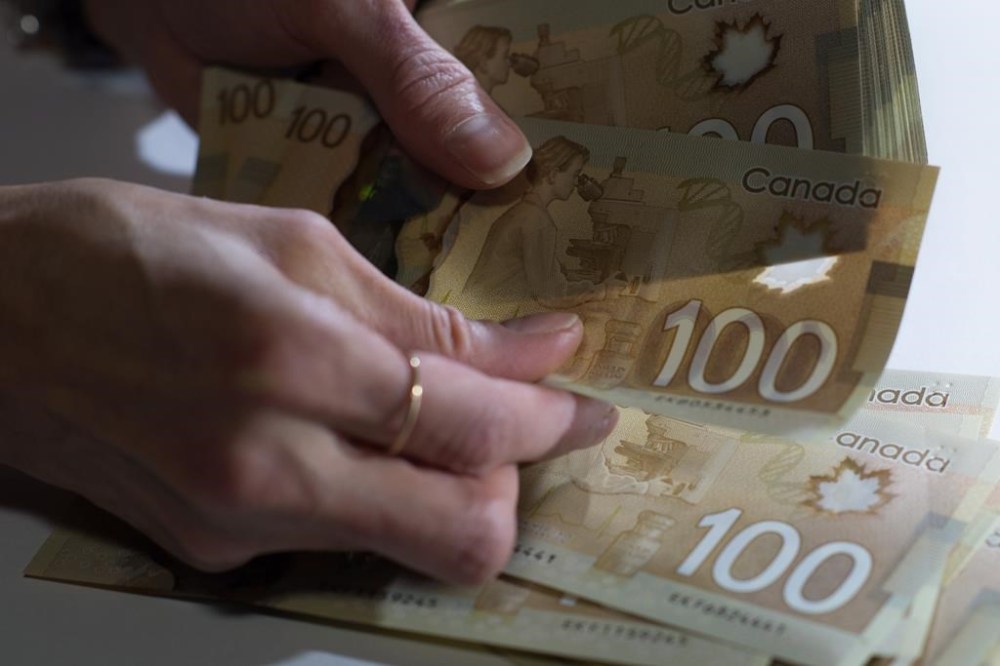
Rachel Jolicoeur, director of cyber market intelligence and financial crimes at Interac, said people have to remember the criminals carrying out scams are professionals acting opportunistically.
“There’s always a call to action and a sense of urgency,” she said of how scammers operate.
“As soon as you get that feeling, just stop and pause on that to scrutinize.”
Jolicoeur said people need to be cautious when receiving calls from people claiming to be government agents, financial advisers or calling about international parcels.
She also noted that clicking on the wrong link online could take you to phishing websites.
The Interac survey, which collected responses from 1,202 people online between Sept. 28 and Oct. 6, suggests 53 per cent of respondents believe being targeted by financial scams is a common occurrence in Canada. Four in 10 reported they were concerned they could fall victim.
The federal government has issued several warnings to Canadians about the ongoing scams in the past months.
The Canadian Revenue Agency has a page dedicated to almost a dozen types of frauds such as climate action text scams, credit scams, text scams to access CRA accounts and extortion phone calls demanding payments.
“The CRA will not use aggressive language or demand immediate payment over the phone,” the agency said for extortion phone calls.
It also lists examples of fraudulent communications over the phone, letter, email, text and online refund forms.
If someone does fall victim, Jolicoeur said people should not panic. If money is lost, they can contact their financial adviser and credit bureau and consider reporting it to police.
She also suggested reaching out to friends, families and extended networks to spread awareness, adding that criminals could use a variation of scams — trying to access money, banking credentials, personal information and details they can’t get on their own.
“Nothing works better than sharing that story,” Jolicoeur said.

Aseel El-Baba, who is the co-founder of Mindfulness and Money, which offers financial literacy programs, said it is also important for people to take a moment and reflect on their experience to understand what went wrong.
“Forgive yourself,” she said. “A lot of times, we get very critical of ourselves and easily get sucked into self-blaming.”
El-Baba recalled when her mother fell victim to a scam.
“It was emotionally a hard experience for her for the following weeks,” El-Baba recalled. “She was hard on herself for falling for the scam.”
This report by The Canadian Press was first published Nov. 28, 2023.