

Germany’s government waters down a cost-cutting plan that infuriated the country’s farmers
Advertisement
Read this article for free:
or
Already have an account? Log in here »
To continue reading, please subscribe:

Digital Subscription
One year of digital access for only $205*
- Enjoy unlimited reading on winnipegfreepress.com
- Read the E-Edition, our digital replica newspaper
- Access News Break, our award-winning app
- Play interactive puzzles
*First annual payment billed as $205.00 + GST for one year. This annual subscription will automatically renew at $233.00 + GST every 52 weeks (10% off the regular annual price of $259.35). Offer available to new and qualified returning subscribers only. Cancel any time.
To continue reading, please subscribe:
Add Free Press access to your Brandon Sun subscription for only an additional
$1 for the first 4 weeks*
- Enjoy unlimited reading on winnipegfreepress.com
- Read the E-Edition, our digital replica newspaper
- Access News Break, our award-winning app
- Play interactive puzzles
*Your next Brandon Sun subscription payment will increase by $1.00 and you will be charged $17.95 plus GST for four weeks. After four weeks, your payment will increase to $24.95 plus GST every four weeks.
Read unlimited articles for free today:
or
Already have an account? Log in here »
Hey there, time traveller!
This article was published 04/01/2024 (988 days ago), so information in it may no longer be current.
BERLIN (AP) — The German government on Thursday watered down cost-saving plans that have infuriated farmers, announcing that it is giving up a proposal to scrap a car tax exemption for farming vehicles and will stagger cuts to tax breaks for diesel used in agriculture.
The cuts were part of a package agreed last month by leaders of Chancellor Olaf Scholz’s unpopular three-party coalition to fill a 17 billion-euro ($18.6 billion) hole in the 2024 budget.
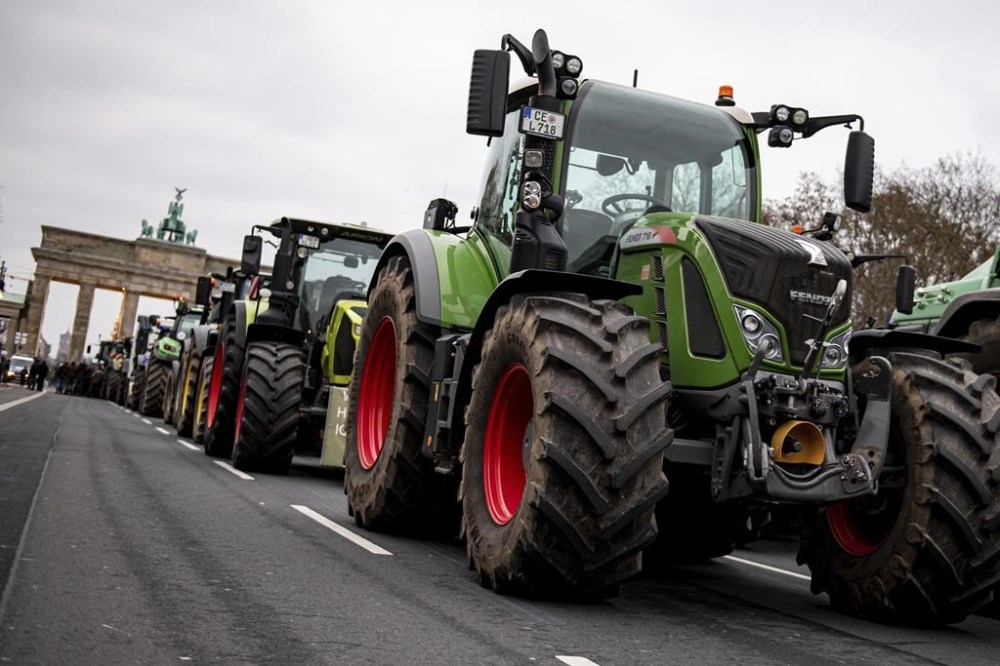
Farmers staged a protest with tractors in Berlin and called for more demonstrations this month, and even Agriculture Minister Cem Özdemir spoke out against the cuts being implemented in full. He said farmers have no alternative to diesel.
The budget revamp was necessary after Germany’s highest court annulled an earlier decision to repurpose 60 billion euros (almost $66 billion) originally meant to cushion the fallout from the COVID-19 pandemic for measures to help combat climate change and modernize the country. The maneuver fell afoul of Germany’s strict self-imposed limits on running up debt.
A government statement Thursday said Scholz, Vice Chancellor Robert Habeck and Finance Minister Christian Lindner have now agreed to maintain the car tax exemption for farming vehicles in order to save those concerned “in some cases significant bureaucratic effort.”
The tax breaks on diesel will no longer end all at once, giving farmers “more time to adapt,” it added. They will be cut by 40% this year, with another 30% being cut in each of the next two years.
“We have found a good solution that averts a disproportionate burdening of agriculture — you know I always warned against that,” Özdemir said in a brief statement to reporters in Berlin.

However, the German Farmers’ Association said the government’s about-turn didn’t go far enough and that it would stick to its planned protests.
“This can only be a first step,” its chairman, Joachim Rukwied, said in a statement. “Our position is unchanged: Both proposed cuts must be taken off the table.”
Other aspects of the budget deal included an abrupt end to subsidies for buying new electric cars, which originally were due to stay in place until as late as the end of this year. Habeck’s Economy Ministry announced an end to new applications with less than two days’ notice.
The government also raised Germany’s levy on carbon dioxide emissions from fuel by more than previously planned at the start of the year, which is expected to impact prices for gasoline, diesel, natural gas and heating oil.
The CO2 price rose to 45 euros (about $49) per ton of emissions from the previous 30 euros. The government had planned a smaller increase to 40 euros before the budget verdict.