

Get your butterflies flying in formation
The positive and negative effects of workplace stress

Advertisement
Read this article for free:
or
Already have an account? Log in here »
To continue reading, please subscribe:

Digital Subscription
One year of digital access for only $205*
- Enjoy unlimited reading on winnipegfreepress.com
- Read the E-Edition, our digital replica newspaper
- Access News Break, our award-winning app
- Play interactive puzzles
*First annual payment billed as $205.00 + GST for one year. This annual subscription will automatically renew at $233.00 + GST every 52 weeks (10% off the regular annual price of $259.35). Offer available to new and qualified returning subscribers only. Cancel any time.
To continue reading, please subscribe:
Add Free Press access to your Brandon Sun subscription for only an additional
$1 for the first 4 weeks*
- Enjoy unlimited reading on winnipegfreepress.com
- Read the E-Edition, our digital replica newspaper
- Access News Break, our award-winning app
- Play interactive puzzles
*Your next Brandon Sun subscription payment will increase by $1.00 and you will be charged $17.95 plus GST for four weeks. After four weeks, your payment will increase to $24.95 plus GST every four weeks.
Read unlimited articles for free today:
or
Already have an account? Log in here »
Hey there, time traveller!
This article was published 03/02/2024 (949 days ago), so information in it may no longer be current.
Recently I heard a fantastic phrase that resonated with me. It was: Get your butterflies flying in formation.
This is an interesting pep talk because it recognizes that when faced with something new or hard, butterflies will definitely flutter around in your tummy — but by organizing your emotions or thoughts in a coordinated and harmonious manner, you can calm the nerves, get your butterflies flying in formation, and make room for success.
It’s a creative and vivid way to convey the idea of achieving composure and balance in the face of excitement or stress. No matter what, nerves are going to be there, but you can focus on what you can control … taking solace in knowing the prep you have done will get you through.
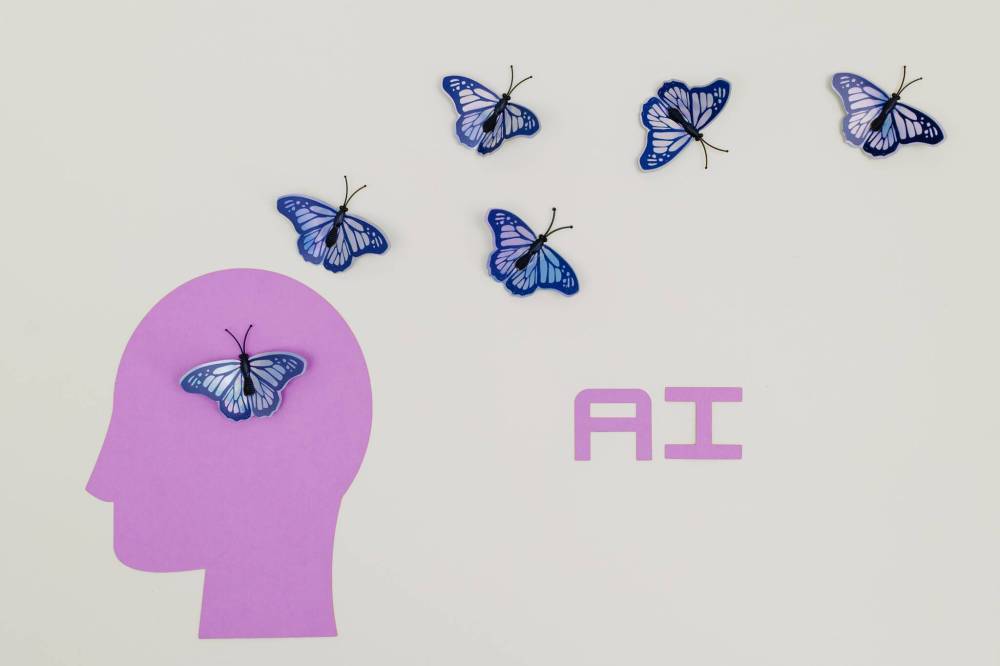
Tara Winstead / Pexels
Managing stress can be like getting your butterflies to fly in formation.
Stress, in moderation, can act as a motivational force. It pushes individuals to set and achieve goals and drives people to excel in their personal and professional lives.
While often viewed in a negative light due to its association with various health issues, it’s essential to recognize not all stress is harmful — in fact, in the working world, stress can be a powerful motivator and catalyst for growth. The positive aspects of stress highlight its role in enhancing performance and resilience.
Let’s take a look at how manageable stress can lead to increased performance, and explore the warning signs that stress may be escalating towards burnout.
Manageable stress
Manageable stress refers to the challenges and pressures within an individual’s capacity to handle. These stressors are not overwhelming, so they allow people to navigate through them with a reasonable level of agency.
When individuals face manageable stressors, they are presented with opportunities to overcome obstacles. These challenges could be presented in various aspects of life, such as work, relationships, or personal goals. Successfully navigating these hurdles requires problem-solving skills, determination, and a proactive mindset.
The process of overcoming manageable stressors also builds a reservoir of coping mechanisms. People learn to manage their emotions, make effective decisions under pressure, and develop a sense of self-efficacy. This strength in coping with adversity is a foundational aspect of resilience.
Resilience
Resilience is not just about overcoming obstacles — but also adapting to stressful situations.
At work, when employees confront and address challenges, they refine their ability to analyze scenarios, identify solutions, and make decisions. This involves the ability to adjust one’s mindset and approach when confronted with unexpected or challenging circumstances.
Adapting to stress requires flexibility and a willingness to learn from experiences. These skills become invaluable assets in facing more significant challenges in the future.
Resilient employees often view challenges not just as obstacles, but as opportunities for growth and learning. This mindset shift is crucial in transforming stressors into positive experiences. Each manageable stressor becomes a chance to acquire new skills, knowledge, and insights.
Successfully navigating manageable stressors contributes to a sense of accomplishment and builds confidence. Each small victory reinforces the belief that one can handle adversity.
This growing self-assurance becomes a powerful ally when facing more substantial and complex stressors. Life is inherently unpredictable, and employees with resilience are better equipped to bounce back from setbacks, adapt to changes, and maintain a sense of well-being.
Innovative thinking
In addition to building character, manageable stressors can be amazing for creativity and innovative thinking.
Stressful situations can push the brain beyond its usual boundaries. The urgency and demand for quick solutions, for example, can force employees to think outside the box and explore ideas and perspectives they might not have considered in a less pressured environment. This mental stretching is conducive to creative thinking.
Stressful situations often come with a degree of ambiguity and uncertainty. Creative thinking thrives in such environments, as individuals are compelled to embrace uncertainty and navigate through ambiguity. This willingness to tolerate ambiguity fosters a mindset open to innovative possibilities.
The need to find solutions under pressure encourages people to tap into their lateral thinking skills. The brain engages in lateral thinking by connecting seemingly unrelated concepts and ideas to generate novel solutions. This creative problem-solving is a direct result of the adaptive response to stress.
Stressful situations require cognitive flexibility — an ability to switch between different concepts or perspectives. This flexibility is a key component of creativity. Individuals under stress may exhibit an enhanced capacity to adapt their thinking and generate creative ideas that address the challenges they face.
Further, manageable stress triggers the release of certain neurotransmitters, including dopamine, in the brain. Dopamine is associated with reward and pleasure and its release can enhance motivation and creativity. In the face of stress, individuals may experience a surge in dopamine that contributes to a more innovative mindset.
Unmanageable stress
This all sounds wonderful, but I was careful to list the positive aspects of “manageable stressors.”
It is well known that, as workloads have increased, positions do not always follow their job descriptions and expectations of speed are sometimes unreasonable. People have been feeling overworked and the stress they experience is not at all the reasonable or manageable kind.
It’s crucial to be aware of warning signs that stress in the workplace may be escalating towards burnout. Burnout is a state of chronic physical and emotional exhaustion, often resulting from prolonged exposure to high levels of stress. Here are a few signs of burnout to watch out for in your own working world:
• Feeling exhausted even after adequate rest. If fatigue becomes a constant companion, it may indicate stress has reached an unsustainable level.
• A growing sense of detachment and cynicism towards work, relationships, or life, in general. Individuals may become emotionally distant and lose interest in activities they once enjoyed.
• A decline in performance, creativity, and overall productivity. Tasks that were once manageable may become overwhelming, contributing to a sense of incompetence.

• Chronic stress can manifest physically, leading to headaches, digestive issues, and other health problems. Persistent physical symptoms should not be ignored.
• Neglecting self-care. Individuals may disregard healthy habits, such as exercise, proper nutrition, and sufficient sleep, exacerbating the negative effects of stress.
Burnout is serious and noticing the signs early is extremely important so your health or that of a colleague or employee is not affected. Take vacation days, have a relaxing bath, or raise the white flag at work when you are feeling overloaded.
Stress is a natural part of life. When managed effectively, it can lead to personal growth, enhanced performance, and increased resilience. However, by recognizing the signs of unmanageable stress and taking proactive steps to manage levels, you can maintain a healthy balance at home and work — and keep your butterflies flying in formation.
Tory McNally, CPHR, BSc., Vice President, HR Consulting is a human resource professional, radio personality, speaker, and problem solver. She can be reached at tory@legacybowes.com.
Tory McNally, CPHR, BSc., vice-president, professional services at TIPI Legacy HR+ (formerly Legacy Bowes), is a human resource consultant, strategic thinker and problem solver. Read more about Tory.
Our newsroom depends on a growing audience of readers to power our journalism. If you are not a paid reader, please consider becoming a subscriber.
Our newsroom depends on its audience of readers to power our journalism. Thank you for your support.
Tory McNally, CPHR, BSc., vice-president, professional services at TIPI Legacy HR+ (formerly Legacy Bowes), is a human resource consultant, strategic thinker and problem solver. Read more about Tory.
Our newsroom depends on a growing audience of readers to power our journalism. If you are not a paid reader, please consider becoming a subscriber.
Our newsroom depends on its audience of readers to power our journalism. Thank you for your support.
Advertisement Advertise With Us
Advertisement Advertise With Us