

China replaces its top securities regulator, moving to reassure investors and end a market slump
Advertisement
Read this article for free:
or
Already have an account? Log in here »
To continue reading, please subscribe:

Digital Subscription
One year of digital access for only $205*
- Enjoy unlimited reading on winnipegfreepress.com
- Read the E-Edition, our digital replica newspaper
- Access News Break, our award-winning app
- Play interactive puzzles
*First annual payment billed as $205.00 + GST for one year. This annual subscription will automatically renew at $233.00 + GST every 52 weeks (10% off the regular annual price of $259.35). Offer available to new and qualified returning subscribers only. Cancel any time.
To continue reading, please subscribe:
Add Free Press access to your Brandon Sun subscription for only an additional
$1 for the first 4 weeks*
- Enjoy unlimited reading on winnipegfreepress.com
- Read the E-Edition, our digital replica newspaper
- Access News Break, our award-winning app
- Play interactive puzzles
*Your next Brandon Sun subscription payment will increase by $1.00 and you will be charged $17.95 plus GST for four weeks. After four weeks, your payment will increase to $24.95 plus GST every four weeks.
Read unlimited articles for free today:
or
Already have an account? Log in here »
Hey there, time traveller!
This article was published 07/02/2024 (971 days ago), so information in it may no longer be current.
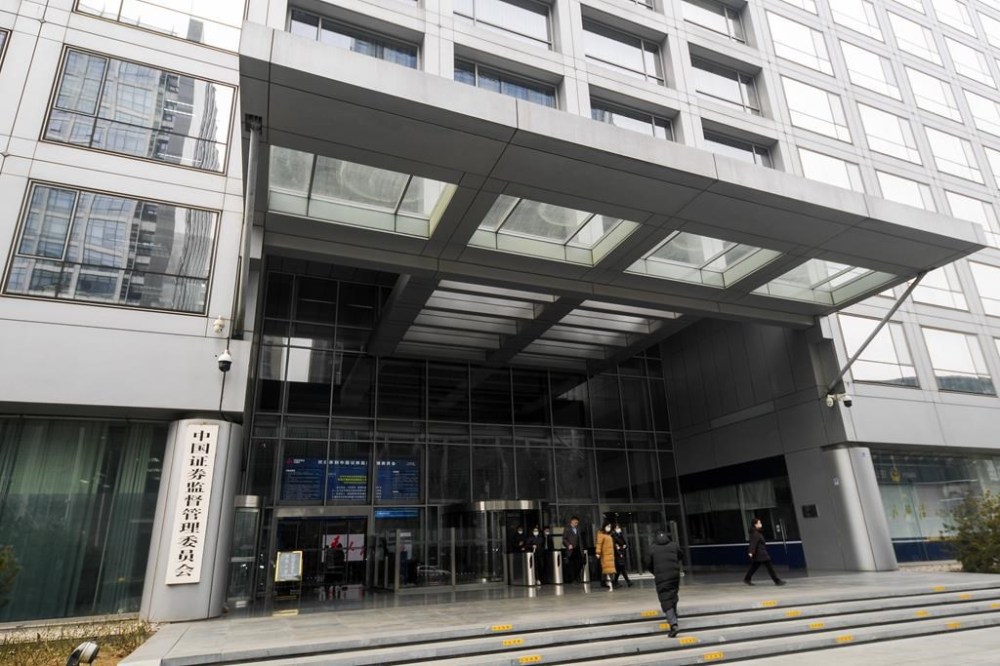
BEIJING (AP) — China replaced the head of its market watchdog Wednesday in an apparent attempt to restore confidence in financial markets following a prolonged downturn.
Official media said Wu Qing, a former chairman of the Shanghai Stock Exchange, would replace Yi Huiman as chairman and Communist Party chief of the China Securities Regulatory Commission.
Chinese stocks have been trading near 5-year lows despite various measures to stabilize the markets.
The official Xinhua News Agency gave no reason for Yi’s departure but Chinese media said Wu was nicknamed “Broker Butcher” for his tough stance on enforcing rules against various abuses.
Wu, a banking industry veteran, is also a former vice mayor of Shanghai.
Markets in Shanghai and Shenzhen have languished, partly due to heavy selling of property shares following a crackdown on excessive borrowing by developers.
Earlier this week, the CSRC said it was cracking down on insider trading, market manipulation and other crimes and would protect small investors.
The appointment came during a week that has seen wild swings in share prices and despair among investors who have seen their investments evaporate.
Thousands have vented their frustrations on the U.S. Embassy’s blog, lamenting about the stock market’s woes in a seemingly unrelated post about protection of giraffes — a tactic reflecting the narrow scope for expression in China’s Communist Party-controlled media environment.
“Buying Chinese equities feels like catching a falling knife,” Ipek Ozkardeskaya of Swissquote said in a commentary.
The efforts so far “have been inefficient to trigger a sustained recovery and they will hardly bring investors back on board,” Ozkardeskaya said of measures that included a pledge by a state investment fund to step up purchases of exchange-traded funds. “Throwing money into the mix is a clumsy quick fix, it won’t fix confidence.”

China faces both short and longer-term challenges that economists say will require substantial reforms to keep its economy growing at a robust pace.
The property market, a major driver provider of jobs and consumer demand, fell into crisis when developers defaulted on debts and became unable to deliver apartments to buyers who had already paid for them with their life savings.
By removing Yi, China’s leaders may be hoping to turn a new page with the beginning of the Lunar New Year. The country will close down for a week-long holiday from Friday, leaving time for markets to settle.
The effort to calm the markets has gained urgency as top officials prepare to gather in Beijing for the annual meeting of the national congress, a time when the Communist Party seeks to showcase its leadership and set new financial targets.
That image has been tarnished in recent years by an erratic and often heavy-handed approach to COVID-19, including monthslong lockdowns that drastically restricted travel and work for tens of millions of people.