

Higher price tag, repair costs could drive up insurance premiums for EVs, report says
Advertisement
Read this article for free:
or
Already have an account? Log in here »
To continue reading, please subscribe:

Digital Subscription
One year of digital access for only $205*
- Enjoy unlimited reading on winnipegfreepress.com
- Read the E-Edition, our digital replica newspaper
- Access News Break, our award-winning app
- Play interactive puzzles
*First annual payment billed as $205.00 + GST for one year. This annual subscription will automatically renew at $233.00 + GST every 52 weeks (10% off the regular annual price of $259.35). Offer available to new and qualified returning subscribers only. Cancel any time.
To continue reading, please subscribe:
Add Free Press access to your Brandon Sun subscription for only an additional
$1 for the first 4 weeks*
- Enjoy unlimited reading on winnipegfreepress.com
- Read the E-Edition, our digital replica newspaper
- Access News Break, our award-winning app
- Play interactive puzzles
*Your next Brandon Sun subscription payment will increase by $1.00 and you will be charged $17.95 plus GST for four weeks. After four weeks, your payment will increase to $24.95 plus GST every four weeks.
Read unlimited articles for free today:
or
Already have an account? Log in here »
Hey there, time traveller!
This article was published 12/02/2024 (964 days ago), so information in it may no longer be current.
TORONTO – Drivers may see higher premiums for their electric vehicles as the insurance industry adjusts to the shift from gas-powered cars to electric alternatives, a new report suggests.
The price tag of EVs and higher costs for repairs are likelyto be key factors that could drive Canadian auto insurance higher in the coming years, similar to a trend seen in the U.K., the report published by Morningstar DBRS on Monday shows.
EVs are computers on wheels and batteries are central to their operations, said Victor Adesanya, co-author of the report and vice-president of insurance at Morningstar DBRS’ Global Financial Institutions Group.
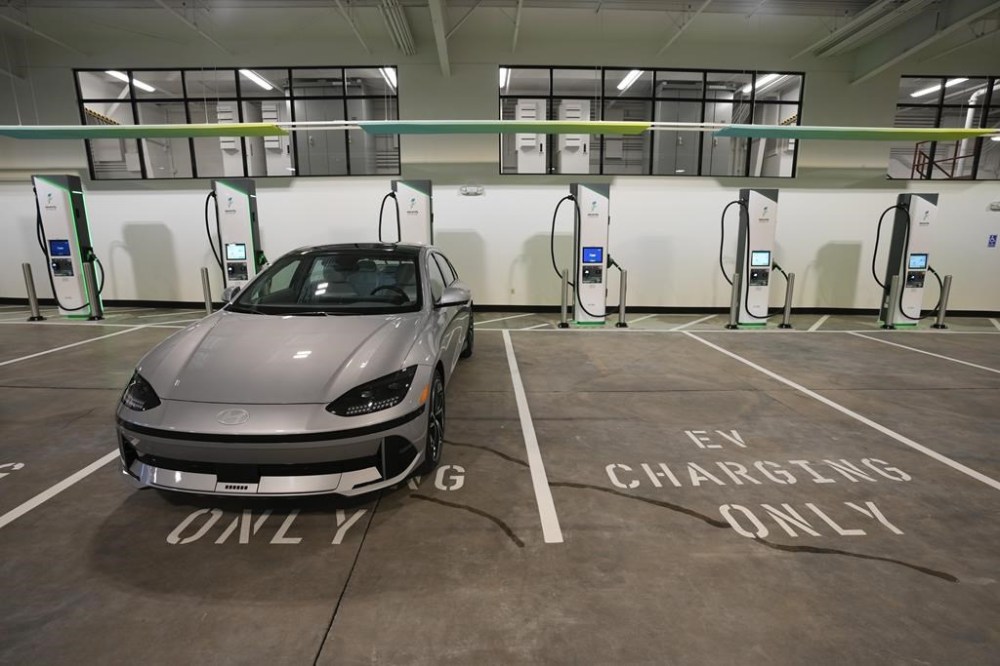
“If the battery gets damaged, the potential for the car to be replaced is very high because they are very difficult to repair and are quite expensive,” he said in an interview.
While EVs can have lower maintenance costs compared with gas-powered cars, expensive repairs and a lack of skilled technicians can drive up overall costs — in turn, affecting insurance claims.
“Insurance is a one-year contract,” Adesanya said. That means every year upon renewal, the insurance companyre-evaluates premiums based on their experience with theft, cost of repairs, inflation and claims.
But high insurance premiums for EV owners are not yet an issue in Canada — partly because of the slow uptake among drivers.
Zero-emission vehicles accounted for 8.9 per cent of light-duty car sales in 2022, up from 5.6 per cent in 2021, according to Transport Canada’s analysis of S&P Global Mobility data.
As more people transition to EVs, Adesanya said insurers will adjust to the trends and could increase premiums.
So far, insurers have sometimes opted to fully replace an EV than pay for pricey repairs. As an example, the Morningstar DBRS report cited British Columbia insurance company ICBC’s move to write off an EV because the cost to replace the battery would be the same as buying a new one.
If replacing cars becomes commonplace for insurance companies, that will significantly impact the EV market — driving claim numbers and premiums up, said Matt Hands, vice-president of insurance at rate comparison website Ratehub.ca.
He added that insurance companies are taking a wait-and-see approach in Canada and treating every case individually when it comes to EV claims.
“Insurance companies are evolving their models with more data,” Hands said. “My assumption is that they’re using limited data they have to make slight adjustments to their models.”
EV owners are unlikely to see a rate shock, Adesanya said. Instead, increases will be more gradual due to government regulation.

Canada’s auto insurance industry is highly regulated by provincial governments that review and approve requests for premium hikes.
Hands suggested drivers shop around for insurance plans.
“(Insurance) is very specific to the vehicle,” he said. “If somebody was considering getting (an EV), shop around, do some price comparisons of insurance.”
“If insurance is the one factor you’re concerned about and you have a few models or vehicles in mind, speak to an insurance broker,” Hands said.
This report by The Canadian Press was first published Feb. 12, 2024.