

Brazil’s economy grows 2.9% in Lula’s 1st year, beating expectations
Advertisement
Read this article for free:
or
Already have an account? Log in here »
To continue reading, please subscribe:

Digital Subscription
One year of digital access for only $205*
- Enjoy unlimited reading on winnipegfreepress.com
- Read the E-Edition, our digital replica newspaper
- Access News Break, our award-winning app
- Play interactive puzzles
*First annual payment billed as $205.00 + GST for one year. This annual subscription will automatically renew at $233.00 + GST every 52 weeks (10% off the regular annual price of $259.35). Offer available to new and qualified returning subscribers only. Cancel any time.
To continue reading, please subscribe:
Add Free Press access to your Brandon Sun subscription for only an additional
$1 for the first 4 weeks*
- Enjoy unlimited reading on winnipegfreepress.com
- Read the E-Edition, our digital replica newspaper
- Access News Break, our award-winning app
- Play interactive puzzles
*Your next Brandon Sun subscription payment will increase by $1.00 and you will be charged $17.95 plus GST for four weeks. After four weeks, your payment will increase to $24.95 plus GST every four weeks.
Read unlimited articles for free today:
or
Already have an account? Log in here »
Hey there, time traveller!
This article was published 01/03/2024 (946 days ago), so information in it may no longer be current.
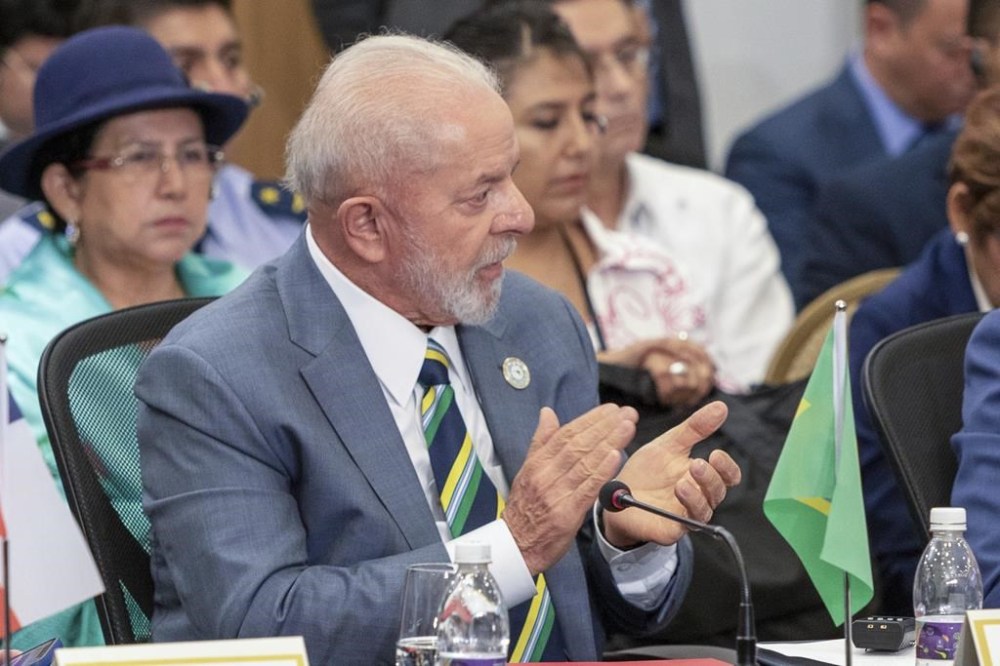
SAO PAULO (AP) — Brazil’s economy grew 2.9% in 2023, beating expectations in the first year of the administration of President Luiz Inácio Lula da Silva, according to the government statistics institute Friday.
The number announced by IBGE impressed many economists, whose overall forecaste early last year was for only 0.8% growth in 2023.
Brazil’s economy grew 3% in 2022, partly due to government spending programs pushed by then-President Jair Bolsonaro amid his failed reelection bid.
The credit rating agency Austin Ratings said Brazil’s economy is now the ninth biggest in the world, based on the preliminary gross domestic product numbers announced Friday. Reaching $2.17 trillion in GDP last year moved the South American nation ahead of Canada and Russia, it said.
The Brazilian statistics agency said Brazil’s record production of soybeans and corn helped the overall results.

“Agriculture represented about a third of all the growth of Brazil’s economy last year,” Rebeca Palis, a coordinator at IBGE, said in a statement.
The government said after the results that it expects 2024 growth to be at 2.2%, which would again above market expectations. Lula has said in public forums he wants to push the number above 3% this year by drawing more foreign investment to Brazil.
Related Articles
Brazil's Bolsonaro is indicted for 1st time over alleged falsification of his vaccination status
Advertisement Advertise With Us