

Federal Reserve’s Powell: Regulatory proposal criticized by banks will be revised by end of year
Advertisement
Read this article for free:
or
Already have an account? Log in here »
To continue reading, please subscribe:

Digital Subscription
One year of digital access for only $205*
- Enjoy unlimited reading on winnipegfreepress.com
- Read the E-Edition, our digital replica newspaper
- Access News Break, our award-winning app
- Play interactive puzzles
*First annual payment billed as $205.00 + GST for one year. This annual subscription will automatically renew at $233.00 + GST every 52 weeks (10% off the regular annual price of $259.35). Offer available to new and qualified returning subscribers only. Cancel any time.
To continue reading, please subscribe:
Add Free Press access to your Brandon Sun subscription for only an additional
$1 for the first 4 weeks*
- Enjoy unlimited reading on winnipegfreepress.com
- Read the E-Edition, our digital replica newspaper
- Access News Break, our award-winning app
- Play interactive puzzles
*Your next Brandon Sun subscription payment will increase by $1.00 and you will be charged $17.95 plus GST for four weeks. After four weeks, your payment will increase to $24.95 plus GST every four weeks.
Read unlimited articles for free today:
or
Already have an account? Log in here »
Hey there, time traveller!
This article was published 07/03/2024 (921 days ago), so information in it may no longer be current.
WASHINGTON (AP) — A sweeping bank regulatory proposal will be significantly revised by year’s end, Federal Reserve Chair Jerome Powell said Thursday, a potential victory for the large banks that have aggressively opposed the likely changes.
The proposed rule, issued last summer by the Fed and other regulatory agencies, is intended to implement changes that were negotiated internationally after the 2008 global financial crisis. Among other things, the rule would require the largest banks — those with more than $100 billion in assets — to hold more funds in reserve to protect against bad loans and other potential losses.
Large banks, though, have resisted the proposal, known as the “Basel III endgame” and spearheaded by the Fed’s vice chair for supervision, Michael Barr. The banks argue that the proposal would limit their ability to lend and would exceed what is necessary to match the global rules.
Banks aren’t the only opponents of the proposal. The NAACP and some other civil rights groups have expressed opposition out of concern that the proposal would make it harder for Black and Hispanic Americans to obtain mortgage loans.
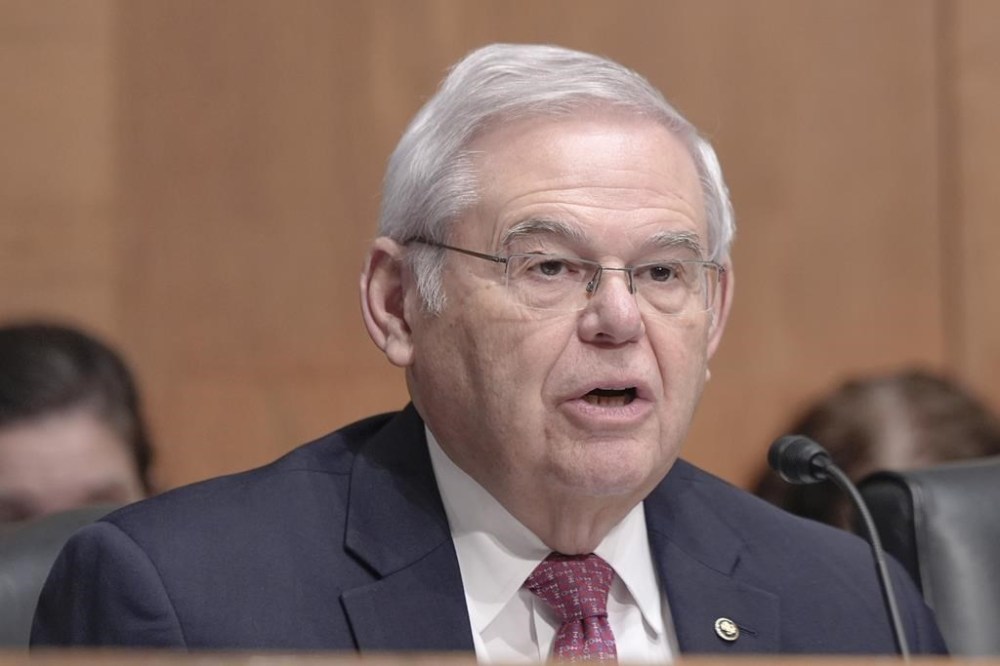
Powell, under questioning by the Senate Banking Committee during his semi-annual testimony to Congress, acknowledged that the proposal could potentially reduce mortgage lending.
“There is a risk like that, and we’re very focused on it,” he said.
On Thursday, Powell also repeated a comment he made to the House Financial Services Committee Wednesday, that the Fed will make “broad and material” changes to the proposed rule. He put a time frame on those changes Thursday: Powell said he expects that the Fed will reach consensus on the revamped proposal by the end of the year.

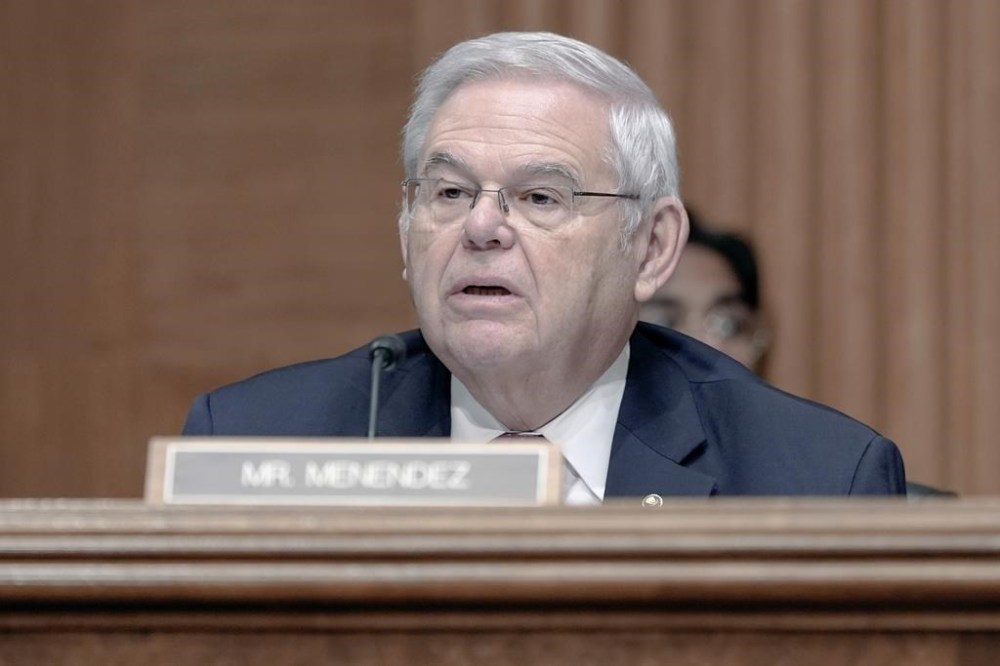
Powell’s willingness to consider changes to the bank rule drew condemnation from some Democrats on the committee.
“You’ve gone weak-kneed on this,” said Sen. Elizabeth Warren of Massachusetts, a longtime Powell critic. “The American people need a leader at the Fed who has the courage to stand up to these banks and protect our financial system.”
Separately, Powell reiterated his comment from Wednesday that if inflation continued to fall back toward the Fed’s 2% target, which he expects, then the central bank would begin cutting its benchmark interest rate this year.
The Fed’s key rate, now at a 23-year high of about 5.4%, has led to much higher rates for mortgages, auto loans and credit card borrowing. Those higher borrowing costs have likely contributed to widespread public sourness about the economy, which poses a threat to President Joe Biden’s reelection bid.
“We’re waiting to become more confident that inflation is moving sustainably at 2%,” Powell said. “When we do get that confidence — and we’re not far from it — it’ll be appropriate” to implement rate cuts, “so that we don’t drive the economy into recession.”