

BNSF becomes 2nd major railroad to sign on to anonymous federal safety hotline for some workers
Advertisement
Read this article for free:
or
Already have an account? Log in here »
To continue reading, please subscribe:

Digital Subscription
One year of digital access for only $205*
- Enjoy unlimited reading on winnipegfreepress.com
- Read the E-Edition, our digital replica newspaper
- Access News Break, our award-winning app
- Play interactive puzzles
*First annual payment billed as $205.00 + GST for one year. This annual subscription will automatically renew at $233.00 + GST every 52 weeks (10% off the regular annual price of $259.35). Offer available to new and qualified returning subscribers only. Cancel any time.
To continue reading, please subscribe:
Add Free Press access to your Brandon Sun subscription for only an additional
$1 for the first 4 weeks*
- Enjoy unlimited reading on winnipegfreepress.com
- Read the E-Edition, our digital replica newspaper
- Access News Break, our award-winning app
- Play interactive puzzles
*Your next Brandon Sun subscription payment will increase by $1.00 and you will be charged $17.95 plus GST for four weeks. After four weeks, your payment will increase to $24.95 plus GST every four weeks.
Read unlimited articles for free today:
or
Already have an account? Log in here »
Hey there, time traveller!
This article was published 25/04/2024 (898 days ago), so information in it may no longer be current.
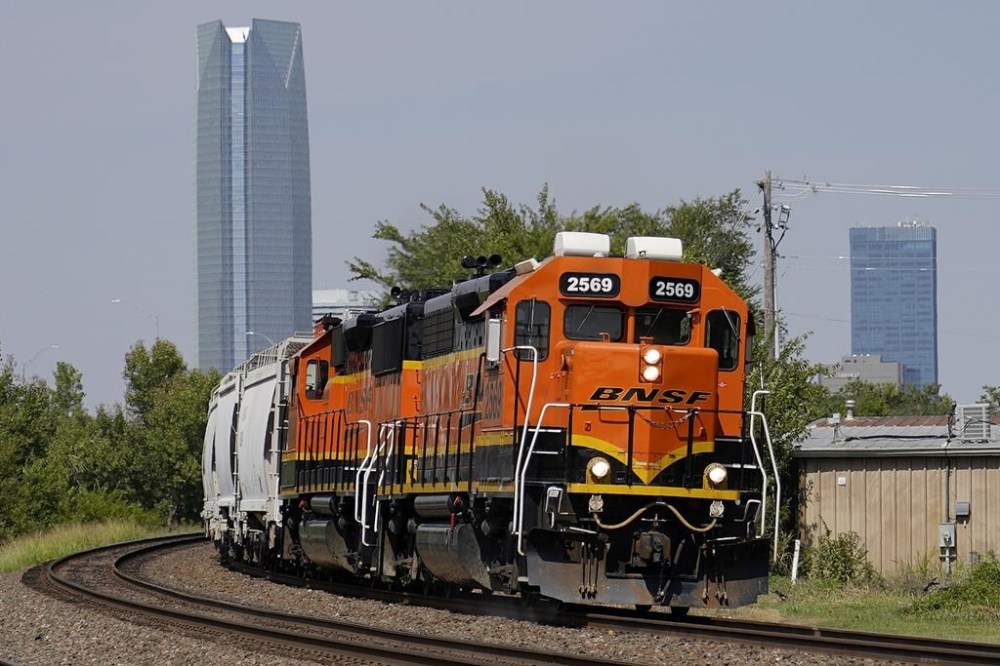
OMAHA, Neb. (AP) — BNSF will become the second major freight railroad to allow some of its employees to report safety concerns anonymously through a federal system without fear of discipline.
The Federal Railroad Administration announced Thursday that the railroad owned by Warren Buffett’s Berkshire Hathaway had agreed to let its roughly 650 dispatchers participate in the program that all the major railroads promised to join after last year’s disastrous Norfolk Southern derailment in Ohio.
“Rail workers deserve to know they’re safe when they’re on the job — and if they experience anything that compromises their safety, they should be able to report it without worrying if their job is in jeopardy,” said Transportation Secretary Pete Buttigieg.
Buttigieg has been urging the railroads to improve safety ever since the February 2023 derailment.
“We hope this program will further empower our employees to provide confidential feedback on critical safety issues in an actionable, timely manner,” BNSF CEO Katie Farmer said.
Until NS became the first railroad to sign onto the anonymous reporting system in January, all the major freight railroads resisted joining because they wanted the ability to discipline workers who use the hotline in certain circumstances. The Association of American Railroads trade group has said railroads were worried that the system could be abused by workers who try to avoid discipline by reporting situations a railroad already knows about.
But the idea of disciplining workers who report safety concerns undermines the entire purpose of such a hotline because workers won’t use it if they fear retribution, unions and workplace safety experts said. That’s especially important on the railroads where there is a long history of workers being fired for reporting safety violations or injuries.
The president of the American Train Dispatchers Association, Ed Dowell, said this move “marks a pivotal moment for rail safety.”

“As a program focused on proactive safety measures, it will serve as the new standard for reporting, understanding, and preventing rail incidents,” Dowell said.
The Norfolk Southern program is also limited in scope. Only about 1,000 members of the two unions representing engineers and conductors who work in three locations on that railroad can participate. Besides Norfolk Southern and now BNSF, only Amtrak and several dozen small railroads use the government reporting program.
The big railroads — that also include Union Pacific, CSX, CPKC and Canadian National — all already have their own internal safety reporting hotlines. But railroad unions have consistently said workers are reluctant to use the railroads’ own safety hotlines because they fear retribution.
“Let’s be perfectly clear, railroads remain committed to joining the program and creating an additional trusted avenue for employees to report potential safety concerns,” said Association of American Railroads spokeswoman Jessica Kahanek.
FRA Administrator Amit Bose said it’s crucial to have a way for rail workers to use their experience and expertise to raise safety concerns that the railroads can address proactively.