

EU Council adopts a plan worth 6 billion euros for Western Balkans to speed up enlargement process
Advertisement
Read this article for free:
or
Already have an account? Log in here »
To continue reading, please subscribe:

Digital Subscription
One year of digital access for only $205*
- Enjoy unlimited reading on winnipegfreepress.com
- Read the E-Edition, our digital replica newspaper
- Access News Break, our award-winning app
- Play interactive puzzles
*First annual payment billed as $205.00 + GST for one year. This annual subscription will automatically renew at $233.00 + GST every 52 weeks (10% off the regular annual price of $259.35). Offer available to new and qualified returning subscribers only. Cancel any time.
To continue reading, please subscribe:
Add Free Press access to your Brandon Sun subscription for only an additional
$1 for the first 4 weeks*
- Enjoy unlimited reading on winnipegfreepress.com
- Read the E-Edition, our digital replica newspaper
- Access News Break, our award-winning app
- Play interactive puzzles
*Your next Brandon Sun subscription payment will increase by $1.00 and you will be charged $17.95 plus GST for four weeks. After four weeks, your payment will increase to $24.95 plus GST every four weeks.
Read unlimited articles for free today:
or
Already have an account? Log in here »
Hey there, time traveller!
This article was published 07/05/2024 (863 days ago), so information in it may no longer be current.
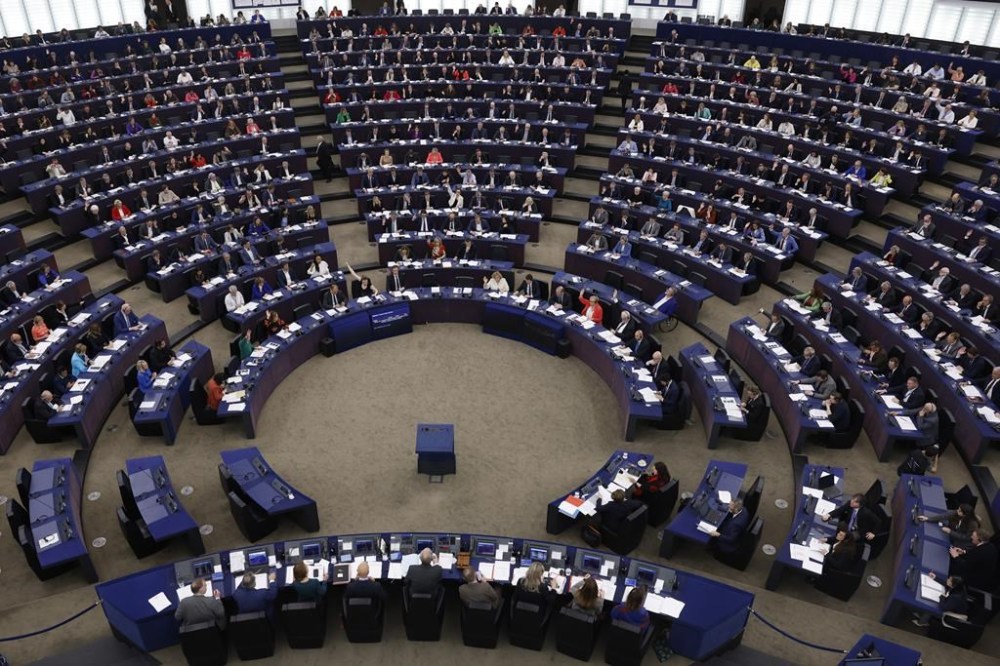
BRUSSELS (AP) — EU countries approved a plan worth 6 billion euros ($6.45 billion) to support Western Balkan states on Tuesday aimed at accelerating reforms and economic growth in the region, as they seek future membership in the bloc.
The Council of the European Union said the plan, which covers the period from 2024 to 2027, is expected to provide up to 2 billion euros in grants ($2.15 billion) and 4 billion euros ($4.3 billion) in loans. Aid is contingent on reforms that would bring Western Balkan economies in line with EU rules.
“The facility will support a range of socio-economic and fundamental reforms, including reforms related to the rule of law and fundamental rights,” the Council said.
The region’s six countries — Albania, Bosnia, Kosovo, Montenegro, North Macedonia and Serbia — are at different stages in their applications for membership, but residents have been frustrated with the slow pace of the process. Croatia was the last country to be accepted by the EU in 2013.
The six countries pledged to adapt customs regulations and create joint border crossings like EU member countries. They also set targets to launch research and development hubs for industry and install free Wi-Fi in public places.
The Council said that a precondition for Serbia and Kosovo to receive aid is that “they engage constructively with measurable progress and tangible results in the normalization of their relations.”
Serbia has not recognized Kosovo’s 2008 declaration of independence, and recent tensions between them have sparked concern among Western powers. Both have said they want to join the EU, but the bloc has warned that their refusal to compromise is jeopardizing their chances for membership.

___
AP World News: https://apnews.com/world-news