

Qatar’s offer to build 3 power plants to ease Lebanon’s electricity crisis is blocked
Advertisement
Read this article for free:
or
Already have an account? Log in here »
To continue reading, please subscribe:
Digital Subscription
One year of digital access for only $1.44 a week*
- Enjoy unlimited reading on winnipegfreepress.com
- Read the E-Edition, our digital replica newspaper
- Access News Break, our award-winning app
- Play interactive puzzles
*Billed as $5.77 plus GST every four weeks. After 52 weeks, price increases to the regular rate of $19.95 plus GST every four weeks. Offer available to new and qualified returning subscribers only. Cancel any time.
To continue reading, please subscribe:
Add Free Press access to your Brandon Sun subscription for only an additional
$1 for the first 4 weeks*
- Enjoy unlimited reading on winnipegfreepress.com
- Read the E-Edition, our digital replica newspaper
- Access News Break, our award-winning app
- Play interactive puzzles
*Your next Brandon Sun subscription payment will increase by $1.00 and you will be charged $17.95 plus GST for four weeks. After four weeks, your payment will increase to $24.95 plus GST every four weeks.
Read unlimited articles for free today:
or
Already have an account? Log in here »
Hey there, time traveller!
This article was published 30/05/2024 (875 days ago), so information in it may no longer be current.
BEIRUT (AP) — Lebanon’s political class, fuel companies and private electricity providers blocked an offer by gas-rich Qatar to build three renewable energy power plants to ease the crisis-hit nation’s decades-old electricity crisis, Lebanese caretaker economy minister said Thursday.
Lebanon’s electricity crisis worsened after the country’s historic economic meltdown began in October 2019. Power cuts often last for much of the day, leaving many reliant on expensive private generators that work on diesel and raise pollution levels.
Although many people have installed solar power systems in their homes over the past three years, most use it only to fill in when the generator is off. Cost and space issues in urban areas have also limited solar use.
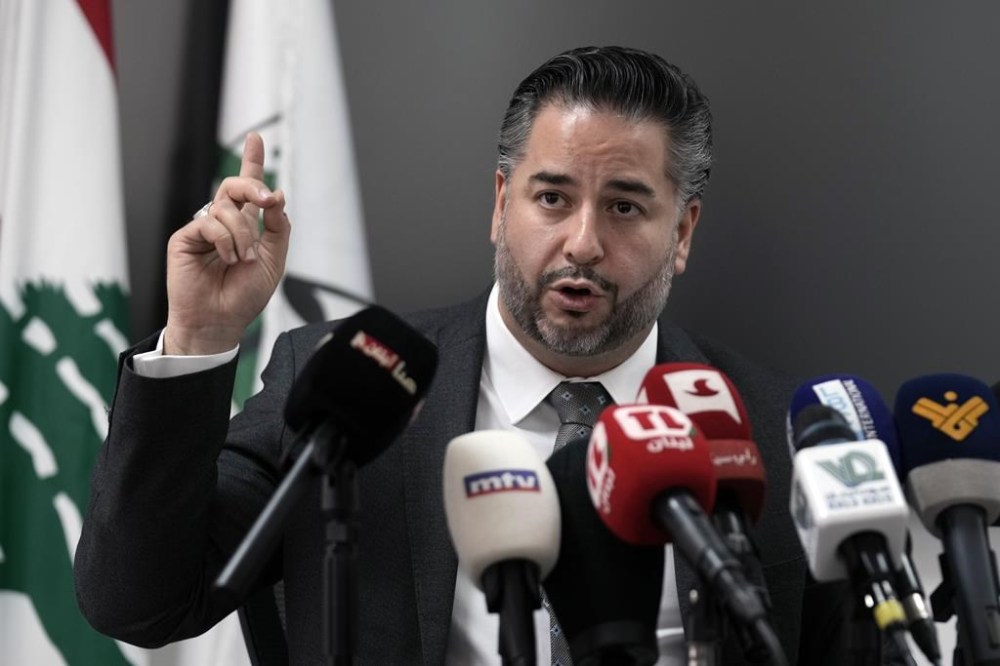
Qatar offered in 2023 to build three power plants with a capacity of 450 megawatts — or about 25% of the small nation’s needs — and since then, Doha didn’t receive a response from Lebanon, caretaker Economy Minister Amin Salam said.
Lebanon’s energy minister, Walid Fayyad, responded in a news conference held shortly afterward that Qatar only offered to build one power plant with a capacity of 100 megawatts that would be a joint venture between the private and public sectors and not a gift as “some claim.”
Salam said that after Qatar got no response from Lebanon regarding their offer, Doha offered to start with a 100-megawatt plant.
Lebanon’s political class that has been running the country since the end of 1975-90 civil war is largely blamed for the widespread corruption and mismanagement that led to the country’s worst economic crisis in its modern history. Five years after the crisis began, Lebanon’s government hasn’t implemented a staff-level agreement reached with the International Monetary Fund in 2022 and has resisted any reforms in electricity, among other sectors.
People currently get an average of four hours of electricity a day from the state company, which has cost state coffers more than $40 billion over the past three decades because of its chronic budget shortfalls.
“There is a country in darkness that we want to turn its lights on,” Salam told reporters in Beirut, saying that during his last trip to Qatar in April, officials in the gas-rich nation asked him about the offer they put forward in January 2023.

“The Qatari leadership is offering to help Lebanon, so we have to respond to that offer and give results,” Salam said. Had the political leadership been serious in easing the electricity crisis, he said, they would have called for emergency government and parliamentary sessions to approve it.
He blamed “cartels and Mafia” that include fuel companies and 7,200 private generators that are making huge profits because of the electricity crisis.
“We don’t want to breathe poison anymore. We are inhaling poison every day,” Salam said.
“Political bickering is blocking everything in the country,” Salam said referring to lack of reforms as well as unsuccessful attempts to elect a president since the term of President Michel Aoun’s term ended in October 2022.
Lebanon hasn’t built a new power plant in decades. Multiple plans for new ones have run aground on politicians’ factionalism and conflicting patronage interests. The country’s few aging, heavy-fuel oil plants long ago became unable to meet demand.