

Ruling could permit a new reservoir for the water-starved Panama Canal, but it could take 6 years
Advertisement
Read this article for free:
or
Already have an account? Log in here »
To continue reading, please subscribe:

Digital Subscription
One year of digital access for only $205*
- Enjoy unlimited reading on winnipegfreepress.com
- Read the E-Edition, our digital replica newspaper
- Access News Break, our award-winning app
- Play interactive puzzles
*First annual payment billed as $205.00 + GST for one year. This annual subscription will automatically renew at $233.00 + GST every 52 weeks (10% off the regular annual price of $259.35). Offer available to new and qualified returning subscribers only. Cancel any time.
To continue reading, please subscribe:
Add Free Press access to your Brandon Sun subscription for only an additional
$1 for the first 4 weeks*
- Enjoy unlimited reading on winnipegfreepress.com
- Read the E-Edition, our digital replica newspaper
- Access News Break, our award-winning app
- Play interactive puzzles
*Your next Brandon Sun subscription payment will increase by $1.00 and you will be charged $17.95 plus GST for four weeks. After four weeks, your payment will increase to $24.95 plus GST every four weeks.
Read unlimited articles for free today:
or
Already have an account? Log in here »
Hey there, time traveller!
This article was published 08/07/2024 (801 days ago), so information in it may no longer be current.
PANAMA CITY (AP) — A court ruling could permit the construction of a new reservoir to feed the water-starved Panama Canal, but the project might take six years to build, the managers of the waterway said Monday.
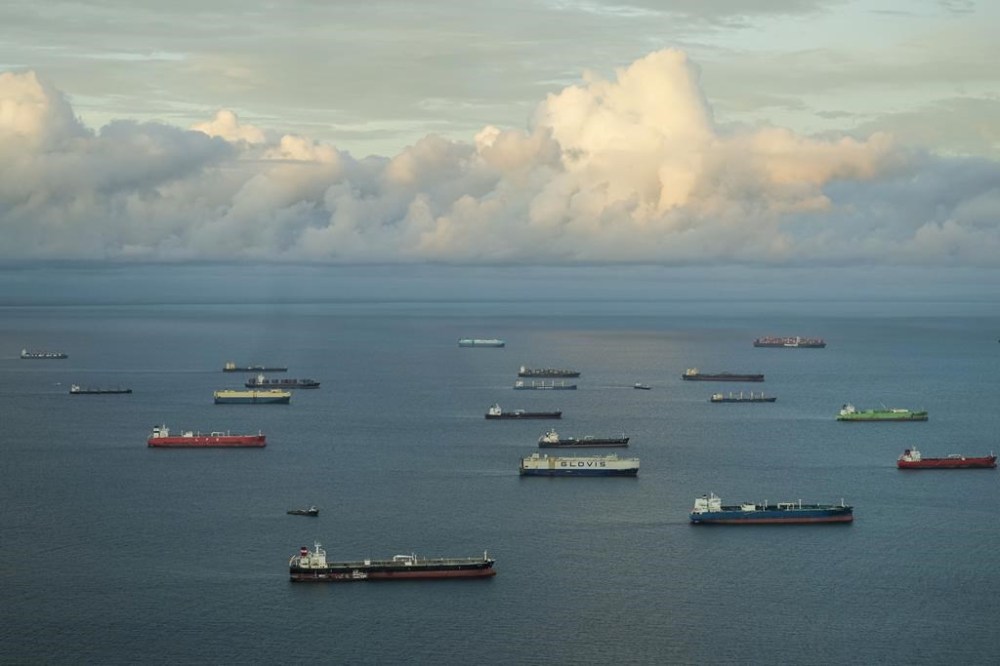
The Panama Canal has decreased the maximum number of ships travelling the waterway each day due to a drought that has reduced the supply of fresh water needed to operate the locks.
For years, Panama has wanted to build another reservoir to supplement the main supply of water from Lake Gatun, but a 2006 regulation prohibited the waterway from expansion outside its traditional watershed. A recent ruling by Panama’s Supreme Court allowed a re-interpretation of the boundaries, possibly clearing the way for work, canal administrator Ricaurte Vásquez said.
“The fact of having a defined watershed gives the Panama Canal a territorial assurance we did not have before,” Vásquez said.
Authorities will still have to consult with and gain acceptance of the project from inhabitants of the new site around the Indio River basin. There are approximately 12,000 people living in about 200 villages in the area.
He said that when the estimated $1.6 billion project could start “is going to depend in large measure on the work carried out with communities and inhabitants who live in the areas that could be affected.”
Ilya Espino, the assistant canal administrator, believes those talks could take 1 1/2 years. Construction could then take three or four years.

Not enough rain has fallen to feed the watershed system of rivers and brooks that fill the current reservoir system, whose waters in turn fill the locks that lift ships up over the terrain. The watershed also supplies freshwater to Panama City, home to about half the country’s 4 million people.
The cutback in canal traffic to 31 ships a day from the normal average of 36 to 38 has disrupted global shipping at a time when other major waterways are also having trouble. Attacks on ships in the Red Sea by Yemen’s Houthi rebels have unraveled a key global trade route, forcing vessels into longer and more costly journeys around Africa.