

The Dutch government is expanding export restrictions for processor chip machines
Advertisement
Read this article for free:
or
Already have an account? Log in here »
To continue reading, please subscribe:
Monthly Digital Subscription
$1 per week for 24 weeks*
- Enjoy unlimited reading on winnipegfreepress.com
- Read the E-Edition, our digital replica newspaper
- Access News Break, our award-winning app
- Play interactive puzzles
*Billed as $4.00 plus GST every four weeks. After 24 weeks, price increases to the regular rate of $19.95 plus GST every four weeks. Offer available to new and qualified returning subscribers only. Cancel any time.
Monthly Digital Subscription
$4.99/week*
- Enjoy unlimited reading on winnipegfreepress.com
- Read the E-Edition, our digital replica newspaper
- Access News Break, our award-winning app
- Play interactive puzzles
*Billed as $19.95 plus GST every four weeks. Cancel any time.
To continue reading, please subscribe:
Add Free Press access to your Brandon Sun subscription for only an additional
$1 for the first 4 weeks*
*Your next subscription payment will increase by $1.00 and you will be charged $16.99 plus GST for four weeks. After four weeks, your payment will increase to $23.99 plus GST every four weeks.
Read unlimited articles for free today:
or
Already have an account? Log in here »
Hey there, time traveller!
This article was published 06/09/2024 (575 days ago), so information in it may no longer be current.
THE HAGUE, Netherlands (AP) — The Dutch government is expanding export restrictions on equipment used to make advanced processor chips that can be integrated into weapons systems, a Cabinet minister announced Friday, citing security risks.
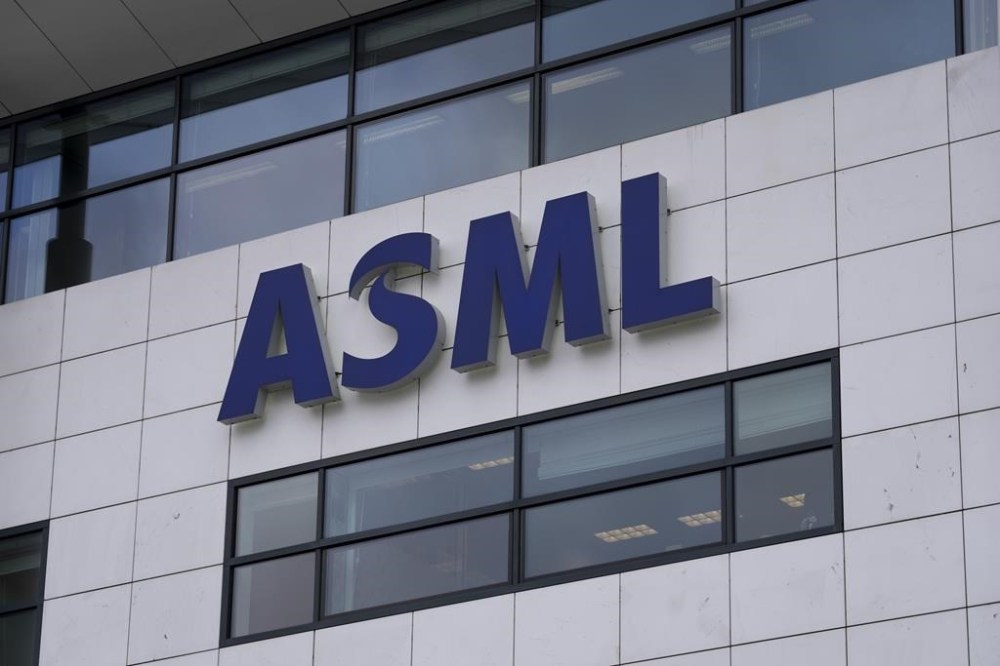
Dutch company ASML, one of the world’s leading makers of chip machines, already faced export restrictions on other machines ahead of the announcement. The measures are seen as part of a U.S. policy that aims at restricting China’s access to materials used to make chips, which can be used in military technology.
The new measure means the company will have to apply for government authorization whenever it wants to export deep ultraviolet lithography equipment to buyers outside the European Union, Minister for Foreign Trade and Development Reinette Klever said in a statement.

“I’ve made this decision for reasons of security. We see that technological advances have given rise to increased security risks associated with the export of this specific manufacturing equipment, especially in the current geopolitical context,” Klever said.
ASML said in a statement that the measure “will harmonize the approach for issuing export licenses” and said it “is not expected to have any impact on our financial outlook for 2024 or for our longer-term scenarios.”