

Rent inflation to slow in the next few years, Desjardins predicts
Advertisement
Read this article for free:
or
Already have an account? Log in here »
To continue reading, please subscribe:

Digital Subscription
One year of digital access for only $205*
- Enjoy unlimited reading on winnipegfreepress.com
- Read the E-Edition, our digital replica newspaper
- Access News Break, our award-winning app
- Play interactive puzzles
*First annual payment billed as $205.00 + GST for one year. This annual subscription will automatically renew at $233.00 + GST every 52 weeks (10% off the regular annual price of $259.35). Offer available to new and qualified returning subscribers only. Cancel any time.
To continue reading, please subscribe:
Add Free Press access to your Brandon Sun subscription for only an additional
$1 for the first 4 weeks*
- Enjoy unlimited reading on winnipegfreepress.com
- Read the E-Edition, our digital replica newspaper
- Access News Break, our award-winning app
- Play interactive puzzles
*Your next Brandon Sun subscription payment will increase by $1.00 and you will be charged $17.95 plus GST for four weeks. After four weeks, your payment will increase to $24.95 plus GST every four weeks.
Read unlimited articles for free today:
or
Already have an account? Log in here »
Hey there, time traveller!
This article was published 14/11/2024 (677 days ago), so information in it may no longer be current.
OTTAWA – The rate at which Canadian rental prices are increasing should slow in the coming years as the government’s plan to cut back immigration numbers takes hold, a new report from Desjardins says.
“Our outlook is for a slowdown in the pace of rent inflation over the next few years, in line with a rising unemployment rate and weaker population growth,” it predicted.
Rents have been rising fast and rent inflation is “much higher” than increases in the price of owned homes, it said. Inflation of rented accommodation was 8.3 per cent in the third quarter of this year, “the fastest pace since the early 1980s.”
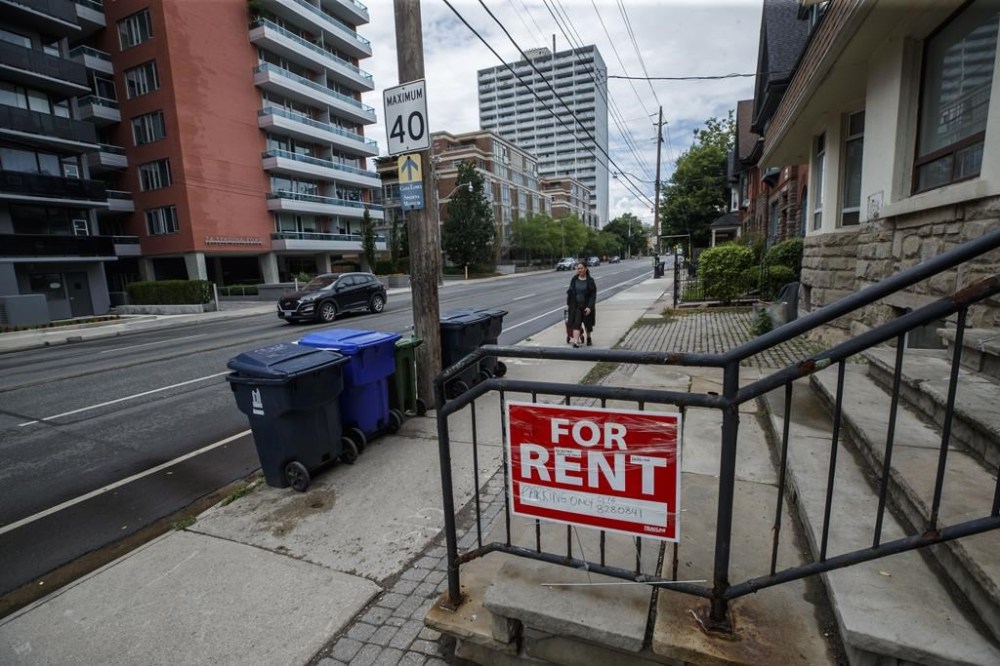
Last month, the federal government announced plans to slash Canada’s immigration targets by 20 per cent as the government faced increased pressure to address the cost and availability of housing.
Ottawa is also aiming to reduce the proportion of temporary residents, which includes temporary foreign workers and international students.
The Desjardins report noted that non-permanent residents “are more likely to rent than purchase a home due to the temporary or uncertain nature of their stay in Canada.” Many permanent residents also rent once they arrive in Canada, it noted.
“Lowering the number of newcomers should halt or possibly even reverse Canada’s population growth, slowing demand for rental accommodation,” the report said.
But while Desjardins expects rent inflation to slow, it said there is uncertainty around how the federal government will implement its new immigration policies.
“If the population slows faster than anticipated, the demand for rental accommodation will slow and price pressures will ease,” it said.
On the other hand, higher-than-anticipated population growth that are more in line with the Bank of Canada’s recent outlook wouldl put more sustained pressure on rent prices, the report said.

The effects will also vary by region, the report says. Rent inflation in provinces like British Columbia and Ontario will increase more slowly. And while rent inflation is expected to come down in all major cities, it will “ease more” in Calgary and Edmonton, Desjardins said.
“Alberta and Saskatchewan should see rents slow the fastest given the highly cyclical nature of the economy and rental market in those provinces. In contrast, still-elevated rent inflation is expected in Quebec,” it predicted.
Desjardins noted that across the country, the number of households that rent has “risen dramatically,” meaning “rapidly rising rents impact a large and growing share of households across the country.”
It also warned any improvements may be temporary, with “longer-term solutions requiring substantial increases in housing supply and policy efforts to address affordability across both rental and ownership sectors.”
This report by The Canadian Press was first published Nov. 14, 2024.