Powell: Fed’s independence from politics is vital to its interest rate decisions
Advertisement
Read this article for free:
or
Already have an account? Log in here »
To continue reading, please subscribe:

Digital Subscription
One year of digital access for only $205*
- Enjoy unlimited reading on winnipegfreepress.com
- Read the E-Edition, our digital replica newspaper
- Access News Break, our award-winning app
- Play interactive puzzles
*First annual payment billed as $205.00 + GST for one year. This annual subscription will automatically renew at $233.00 + GST every 52 weeks (10% off the regular annual price of $259.35). Offer available to new and qualified returning subscribers only. Cancel any time.
To continue reading, please subscribe:
Add Free Press access to your Brandon Sun subscription for only an additional
$1 for the first 4 weeks*
- Enjoy unlimited reading on winnipegfreepress.com
- Read the E-Edition, our digital replica newspaper
- Access News Break, our award-winning app
- Play interactive puzzles
*Your next Brandon Sun subscription payment will increase by $1.00 and you will be charged $17.95 plus GST for four weeks. After four weeks, your payment will increase to $24.95 plus GST every four weeks.
Read unlimited articles for free today:
or
Already have an account? Log in here »
Hey there, time traveller!
This article was published 04/12/2024 (666 days ago), so information in it may no longer be current.
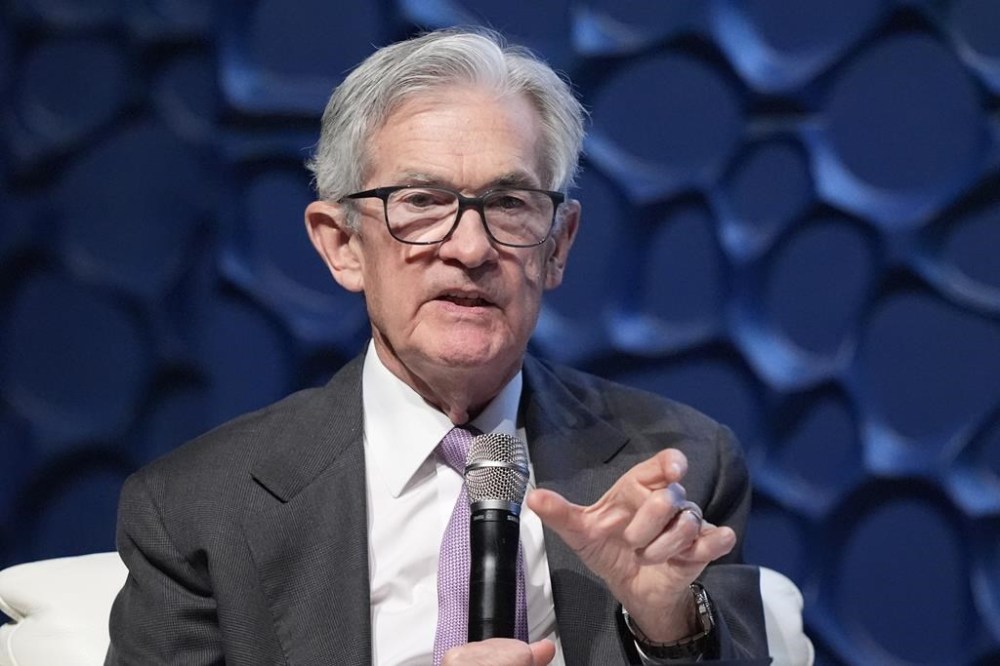
WASHINGTON (AP) — Chair Jerome Powell said Wednesday that the Federal Reserve’s ability to set interest rates free of political interference is necessary for it to make decisions to serve “all Americans” rather than a political party or political outcome.
Speaking at the New York Times’ DealBook summit, Powell addressed a question about President-elect Donald Trump’s numerous public criticisms of the Fed and of Powell himself. During the election campaign, Trump had insisted that as president, he should have a “say” in the Fed’s interest rate policies.
In his remarks Wednesday, Powell said, “We’re supposed to achieve maximum employment and price stability for the benefit of all Americans and keep out of politics completely.”
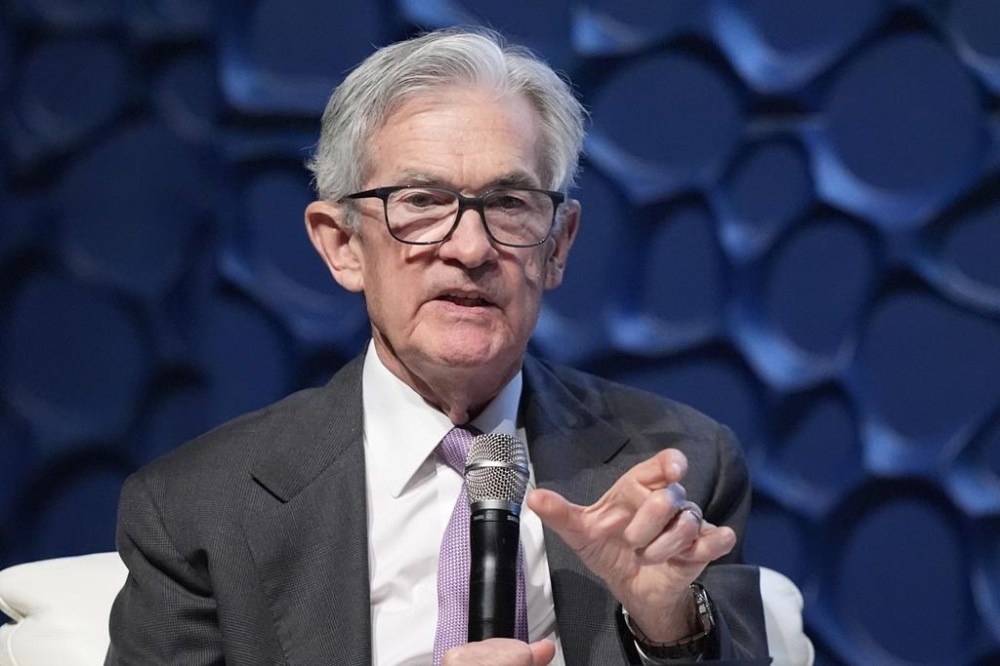
Despite Trump’s comments, the Fed chair said he was confident of widespread support in Congress for maintaining the central bank’s independence.
“I’m not concerned,” he said, “that there’s some risk that that we would lose our statutory independence. “There’s very, very broad support for that set of ideas in Congress, in both political parties, on both side of the Hill.”
On the topic of interest rates, Powell said the Fed can afford to cut its benchmark rate cautiously, because the economy is doing better than the Fed thought it was in September, when it collectively predicted four rate cuts in 2025 after three cuts in 2024.
“We’re not quite there on inflation, but we’re making progress,” Powell said. “We can afford to be a little more cautious.”
The Fed has been aiming to deliver a “soft landing” for the economy, whereby the central bank’s interest rate hikes manage to help reduce inflation to its 2% target without causing a recession. History has shown it’s a rare and difficult feat.

Yet the economy appears largely on track for such an outcome. The job market has slowed. And inflation is down sharply, though in recent months it has remained stuck modestly above the Fed’s target, which could make the policymakers reluctant to cut rates much further.
Several other Fed officials have said this week that they expect to keep reducing rates, without committing to a reduction at their next meeting later this month.
On Monday, Christopher Waller, an influential member of the Fed’s Board of Directors, said he was “leaning” toward a rate cut when the central bank meets in two weeks. Waller added, though, that if forthcoming data on inflation or hiring appears worse than the Fed expects, he might favor keeping rates unchanged.
On Tuesday, Mary Daly, president of the Federal Reserve Bank of San Francisco, said she supported further lowering rates, without commenting specifically on a timetable.
“Whether it’ll be in December or some time later, that’s a question we’ll have a chance to debate and discuss at our next meeting,” Daly said in an interview on Fox Business News. “But the point is, we have to keep policy moving down to accommodate the economy because we want a durable expansion with low inflation.”