UnitedHealthcare CEO kept a low public profile. Then he was shot to death in New York
Advertisement
Read this article for free:
or
Already have an account? Log in here »
To continue reading, please subscribe:
Monthly Digital Subscription
$0 for the first 4 weeks*
- Enjoy unlimited reading on winnipegfreepress.com
- Read the E-Edition, our digital replica newspaper
- Access News Break, our award-winning app
- Play interactive puzzles
*No charge for 4 weeks then price increases to the regular rate of $19.00 plus GST every four weeks. Offer available to new and qualified returning subscribers only. Cancel any time.
Monthly Digital Subscription
$4.75/week*
- Enjoy unlimited reading on winnipegfreepress.com
- Read the E-Edition, our digital replica newspaper
- Access News Break, our award-winning app
- Play interactive puzzles
*Billed as $19 plus GST every four weeks. Cancel any time.
To continue reading, please subscribe:
Add Free Press access to your Brandon Sun subscription for only an additional
$1 for the first 4 weeks*
*Your next subscription payment will increase by $1.00 and you will be charged $16.99 plus GST for four weeks. After four weeks, your payment will increase to $23.99 plus GST every four weeks.
Read unlimited articles for free today:
or
Already have an account? Log in here »
Hey there, time traveller!
This article was published 04/12/2024 (372 days ago), so information in it may no longer be current.
NEW YORK (AP) — Brian Thompson led one of the biggest health insurers in the U.S. but was unknown to millions of people his decisions affected.
Then Wednesday’s targeted fatal shooting of the UnitedHealthcare CEO on a midtown Manhattan sidewalk thrust the executive and his business into the national spotlight.
Thompson, who was 50, had worked at the giant UnitedHealth Group Inc for 20 years and run the insurance arm since 2021 after running its Medicare and retirement business.

As CEO, Thompson led a firm that provides health coverage to more than 49 million Americans — more than the population of Spain. United is the largest provider of Medicare Advantage plans, the privately run versions of the U.S. government’s Medicare program for people age 65 and older. The company also sells individual insurance and administers health-insurance coverage for thousands of employers and state-and federally funded Medicaid programs.
The business run by Thompson brought in $281 billion in revenue last year, making it the largest subsidiary of the Minnetonka, Minnesota-based UnitedHealth Group. His $10.2 million annual pay package, including salary, bonus and stock options awards, made him one of the company’s highest-paid executives.
The University of Iowa graduate began his career as a certified public accountant at PwC and had little name recognition beyond the health care industry. Even to investors who own its stock, the parent company’s face belonged to CEO Andrew Witty, a knighted British triathlete who has testified before Congress.
When Thompson did occasionally draw attention, it was because of his role in shaping the way Americans get health care.
At an investor meeting last year, he outlined his company’s shift to “value-based care,” paying doctors and other caregivers to keep patients healthy rather than focusing on treating them once sick.
“Health care should be easier for people,” Thompson said at the time. “We are cognizant of the challenges. But navigating a future through value-based care unlocks a situation where the … family doesn’t have to make the decisions on their own.”
Thompson also drew attention in 2021 when the insurer, like its competitors, was widely criticized for a plan to start denying payment for what it deemed non-critical visits to hospital emergency rooms.
“Patients are not medical experts and should not be expected to self-diagnose during what they believe is a medical emergency,” the chief executive of the American Hospital Association wrote in an open letter addressed to Thompson. “Threatening patients with a financial penalty for making the wrong decision could have a chilling effect on seeking emergency care.”
United Healthcare responded by delaying rollout of the change.
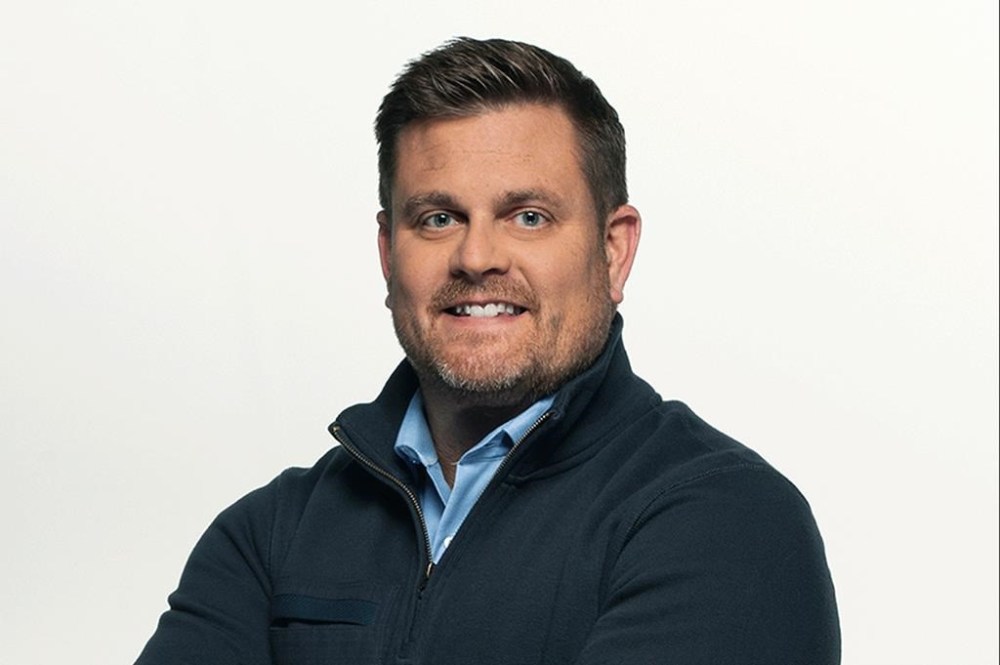

Thompson, who lived in a Minneapolis suburb and was the father of two high-school students, was set to speak at an investor meeting in a midtown New York hotel. He was on his own and about to enter the building when he was shot in the back by a masked assailant who fled on foot, the New York Police Department said.
Chief of Detectives Joseph Kenny said investigators were looking at Thompson’s social media accounts and interviewing employees and family members.
“Didn’t seem like he had any issues at all,” Kenny said. “He did not have a security detail.”
___
AP reporters Michael R. Sisak and Steve Karnowski contributed to this report. Murphy reported from Indianapolis.