

Ontario lawyers applaud plan to boost legal aid eligibility, but say more help needed
Advertisement
Read this article for free:
or
Already have an account? Log in here »
To continue reading, please subscribe:

Digital Subscription
One year of digital access for only $205*
- Enjoy unlimited reading on winnipegfreepress.com
- Read the E-Edition, our digital replica newspaper
- Access News Break, our award-winning app
- Play interactive puzzles
*First annual payment billed as $205.00 + GST for one year. This annual subscription will automatically renew at $233.00 + GST every 52 weeks (10% off the regular annual price of $259.35). Offer available to new and qualified returning subscribers only. Cancel any time.
To continue reading, please subscribe:
Add Free Press access to your Brandon Sun subscription for only an additional
$1 for the first 4 weeks*
- Enjoy unlimited reading on winnipegfreepress.com
- Read the E-Edition, our digital replica newspaper
- Access News Break, our award-winning app
- Play interactive puzzles
*Your next Brandon Sun subscription payment will increase by $1.00 and you will be charged $17.95 plus GST for four weeks. After four weeks, your payment will increase to $24.95 plus GST every four weeks.
Read unlimited articles for free today:
or
Already have an account? Log in here »
Hey there, time traveller!
This article was published 06/01/2025 (633 days ago), so information in it may no longer be current.
The provincial agency that provides legal help for low-income Ontarians is planning to expand eligibility for its services, a move that some lawyers applaud but add it’s only a “first step” toward fixing Ontario’s legal aid system.
Last month, Legal Aid Ontario announced it is planning a three-year increase to financial eligibility thresholds for family and criminal duty counsel and criminal certificate services. It said the move aims to help more low-income Ontarians access legal aid and reduce the backlog in criminal courts.
The current eligibility thresholds are dependent on family size and income. A single person would have to make $22,720 or less to qualify for criminal and family duty counsel, a requirement that increases to up to $50,803 for families of five or more.
The new plan proposes to increase the income threshold for those duty counsel services and criminal certificates to $45,440 for families of up to four people, for three years. The asset threshold for legal aid applicants would also increase to $15,000, regardless of family size.
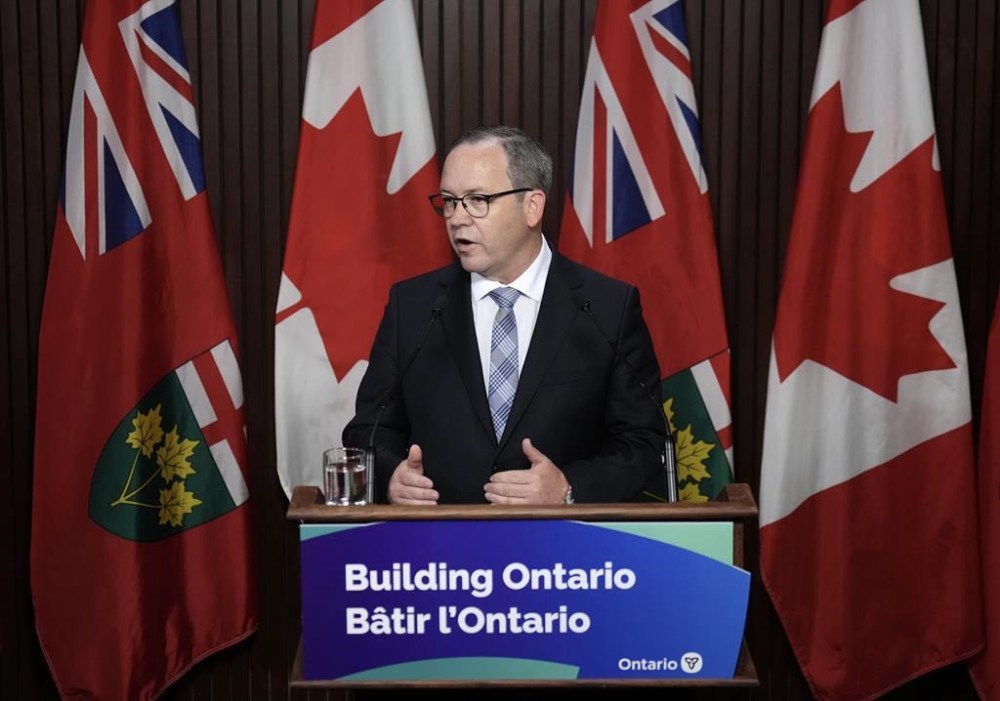
Attorney General Doug Downey said the increase is expected to help an additional 180,000 people each year, particularly those most vulnerable while navigating the legal system.
“It’s an intimidating system, it’s got a different vocabulary, it’s complicated,” Downey said in a video call. “To have somebody help navigate you through that, by definition, makes it a good public service and makes the system function better.”
Downey added that removing the family size stipulations for the income thresholds also aims to reduce red tape for those trying to access legal aid.
“This is a service to an individual, regardless of their circumstances,” Downey said. “It means duty counsel and legal aid itself can spend less time on administration, trying to figure out whether (they) have three kids or four kids or two kids.”
The changes would come into effect sometime after a public consultation period ends on Jan. 9, a spokesperson for the attorney general’s office said in a statement.
Boris Bytensky, president of the Criminal Lawyers’ Association, said he welcomes the changes. Under the current threshold, a single person working a full-time minimum wage job in Ontario wouldn’t qualify, he said, and an Ontarian would likely have to be on some form of social assistance to get legal aid.
“I think it’s an outstanding first step that, frankly, is long overdue,” Bytensky said in a phone interview.
When people make more money than the current threshold but still can’t afford a lawyer, they often end up representing themselves, explained Bytensky. That leads to court backlogs that could suspend cases, he said.
The eligibility increase will “substantially” assist those who can’t afford legal services, and overall support criminal justice in the province, he said.
But Bytensky emphasized there are still structural issues in the criminal law sector that must be addressed. Criminal defence lawyers have received compensation increases at rates lower than other law sectors over the past decade, he said, and the current system also limits the number of hours they can devote to legal aid clients.
“They are not doing this primarily as a profit centre. They’re doing this well below their regular rates that they would charge to private-paying clients,” he said, adding that he’d like to see criminal defence lawyers be “reasonably paid” and given enough time to work on complex cases.
Lenny Abramowicz, chair of the Alliance for Sustainable Legal Aid, said he’s encouraged by Legal Aid Ontario’s announcement, calling the current eligibility thresholds “much too low.”
But Abramowicz said there’s still far more to be done when it comes to justice in the province. For starters, he said he’d like the eligibility expansion to become permanent to make the system more expeditious.
“It would allow for access to justice in the province, for people … when they’re facing criminal incarceration to be able to actually have representation,” he said.
Abramowicz added that he’d also like to see the financial eligibility increase cover civil matters, since many Ontarians also need legal aid in social assistance or housing cases.
When they can’t access legal help for civil matters, they often end up losing their cases or giving up, he said.

“The vast majority of Ontarians never appear in a criminal court outside of maybe a parking ticket or traffic ticket,” he said. “However, the vast majority of Ontarians do have family law issues, do have landlord and tenant issues, do have social benefit issues, so representation in those matters are equally important.”
“The government needs to use the same approach it has taken towards dealing with the backlogs and the problems in the criminal court system with respect to civil law matters.”
For Bytensky, the newly proposed eligibility threshold is significant but only the start of what’s needed to ensure everyone can have their day in court.
“It is an important step forward, but it can’t be the last step forward.”
This report by The Canadian Press was first published Jan. 6, 2025.