

Average US long-term mortgage rate inches up to 6.93% this week for fourth straight increase
Advertisement
Read this article for free:
or
Already have an account? Log in here »
To continue reading, please subscribe:

Digital Subscription
One year of digital access for only $205*
- Enjoy unlimited reading on winnipegfreepress.com
- Read the E-Edition, our digital replica newspaper
- Access News Break, our award-winning app
- Play interactive puzzles
*First annual payment billed as $205.00 + GST for one year. This annual subscription will automatically renew at $233.00 + GST every 52 weeks (10% off the regular annual price of $259.35). Offer available to new and qualified returning subscribers only. Cancel any time.
To continue reading, please subscribe:
Add Free Press access to your Brandon Sun subscription for only an additional
$1 for the first 4 weeks*
- Enjoy unlimited reading on winnipegfreepress.com
- Read the E-Edition, our digital replica newspaper
- Access News Break, our award-winning app
- Play interactive puzzles
*Your next Brandon Sun subscription payment will increase by $1.00 and you will be charged $17.95 plus GST for four weeks. After four weeks, your payment will increase to $24.95 plus GST every four weeks.
Read unlimited articles for free today:
or
Already have an account? Log in here »
Hey there, time traveller!
This article was published 09/01/2025 (614 days ago), so information in it may no longer be current.
The average long-term U.S. mortgage rate ticked up again this week, remaining at its highest level since July.
The benchmark 30-year fixed rate loan rate rose to 6.93% from 6.91% last week, according to mortgage giant Freddie Mac. It was at 6.66% a year ago. It has risen for four straight weeks.
The uptick in the cost of home loans reflects a rise in the bond yields that lenders use as a guide to price mortgages, specifically the yield on the U.S. 10-year Treasury. The yield on the 10-year Treasury has climbed from 3.62% in mid-September to 4.66% this week.
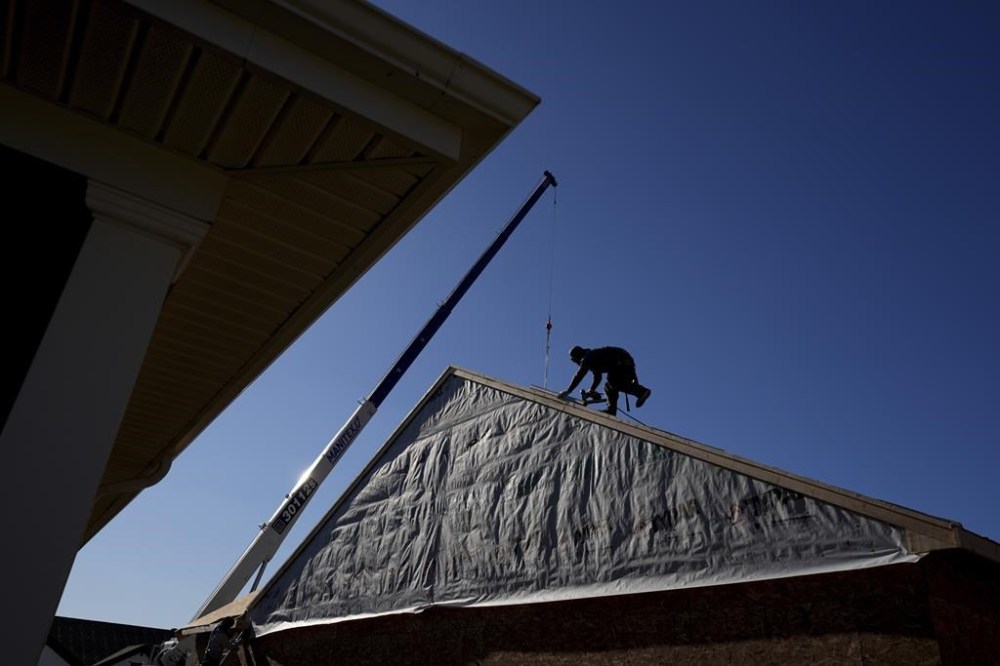
The increase is occurring with the price of homes rising steadily.
Elevated mortgage rates and rising home prices have kept homeownership out of reach of many would-be homebuyers. While sales of previously occupied U.S. homes rose in November for the second straight month, the housing market remains in a slump and on track for its worst year since 1995.
The government’s report on December home sales is due out later this month.
Interest rates have been climbing since the Federal Reserve signaled last month that it expects to raise its benchmark rate just twice this year, down from the four cuts it forecast in September.

The Fed is tapping the brakes on rate cuts because inflation remains stubbornly above the central bank’s 2% target, even though it’s fallen from its mid-2022 peak. Economists also worry that President-elect Donald Trump’s economic policies, notably his plan to vastly increase tariffs on imports, could fuel inflation.
The average rate on a 15-year fixed-rate mortgage, popular with homeowners seeking to refinance, ticked up to 6.14%, up from 6.13% and also the highest since July. It was at 5.87% a year ago, Freddie Mac said.