

Thrill of the thrift: an addictive yet environmentally responsible hobby that can even generate extra bucks
'It’s like a treasure hunt, especially when you find gold, silver and collectables'
Advertisement
Read this article for free:
or
Already have an account? Log in here »
To continue reading, please subscribe:
Digital Subscription
One year of digital access for only $1.44 a week*
- Enjoy unlimited reading on winnipegfreepress.com
- Read the E-Edition, our digital replica newspaper
- Access News Break, our award-winning app
- Play interactive puzzles
*Billed as $5.77 plus GST every four weeks. After 52 weeks, price increases to the regular rate of $19.95 plus GST every four weeks. Offer available to new and qualified returning subscribers only. Cancel any time.
To continue reading, please subscribe:
Add Free Press access to your Brandon Sun subscription for only an additional
$1 for the first 4 weeks*
- Enjoy unlimited reading on winnipegfreepress.com
- Read the E-Edition, our digital replica newspaper
- Access News Break, our award-winning app
- Play interactive puzzles
*Your next Brandon Sun subscription payment will increase by $1.00 and you will be charged $17.95 plus GST for four weeks. After four weeks, your payment will increase to $24.95 plus GST every four weeks.
Read unlimited articles for free today:
or
Already have an account? Log in here »
Hey there, time traveller!
This article was published 18/01/2025 (638 days ago), so information in it may no longer be current.
Thrifting is the alchemy of consumption, transforming what would otherwise be discarded, used items from one person into found gold for another.
For those who thrift, and thrift often, it’s akin to a treasure hunt where sometimes a serendipitous discovery literally is gold.
Just ask retired Winnipeg social worker Angela G. Gentile, who recently began “dabbling” in thrifting but now views the activity as a “growing hobby” that’s occasionally lucrative.
JOHN WOODS / FREE PRESS
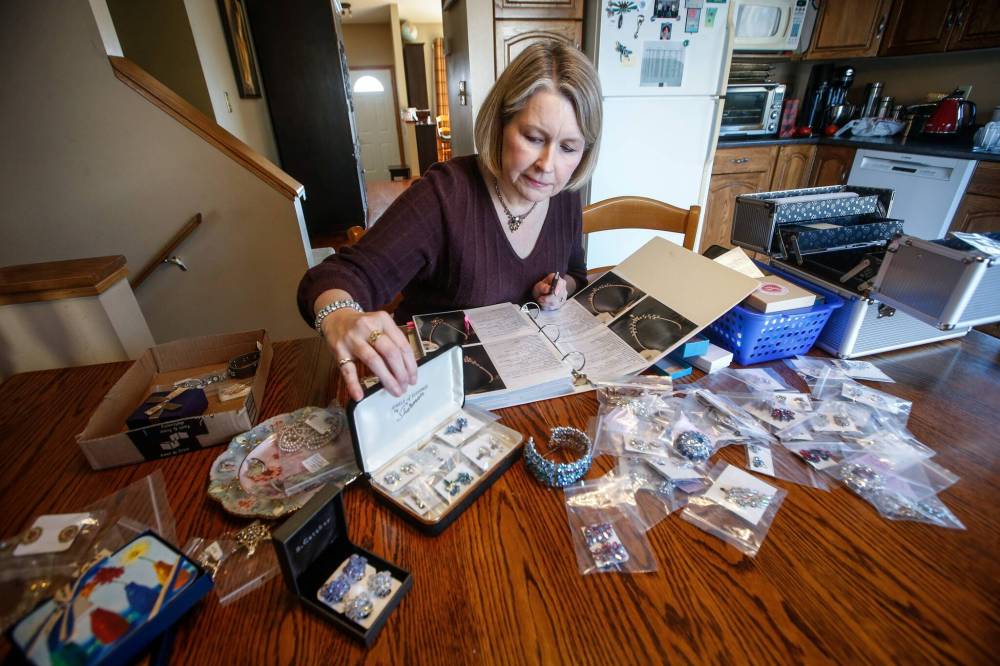
Angela Gentile, a semi-retired social worker and avid jewelry thrifter, shows off some of her Sherman jewelry that she has picked up over the years.
Gentile, who also blogs about thrifting. Frequently peruses second-hand stores, flea markets, garage sales and auctions looking for vintage costume jewelry that occasionally turns out to be more than decorative.
“It’s like a treasure hunt, especially when you find gold, silver and collectables.”
She is in good company in Canada with a 2024 report by Value Village, estimating about 90 per cent of Canadians either donate or buy second-hand from thrift stores.
Another report points to the used good industry in Canada generating about $4.2 billion of revenue in 2023.
Although a small drop in the overall retail economy, worth about $794 billion in 2023, Statistics Canada reports, it’s growing.
That’s especially so among young adults with the Value Village report noting about 40 per cent of gen Zs thrift.
“Thrifting is kind of on the forefront right now,” says Heather Graham, mom to a four-year-old, a freelance brand marketer and author behind the blog We are Thrifters.
Just the resale marketplace alone is expected to grow by 69 per cent by 2028, according to one recent forecast.
Facebook’s Marketplace — among the largest online second-hand exchanges — averages about 1.2 billion shoppers per month globally.
For thrifters, January is hunting season, says Kristy Fillion, an avid thrifter and a realtor with AVDB and Associates, RE/MAX Executives Realty. “It’s a great time to get out there because people are decluttering and you can find lots of good stuff.”
JOHN WOODS / FREE PRESS
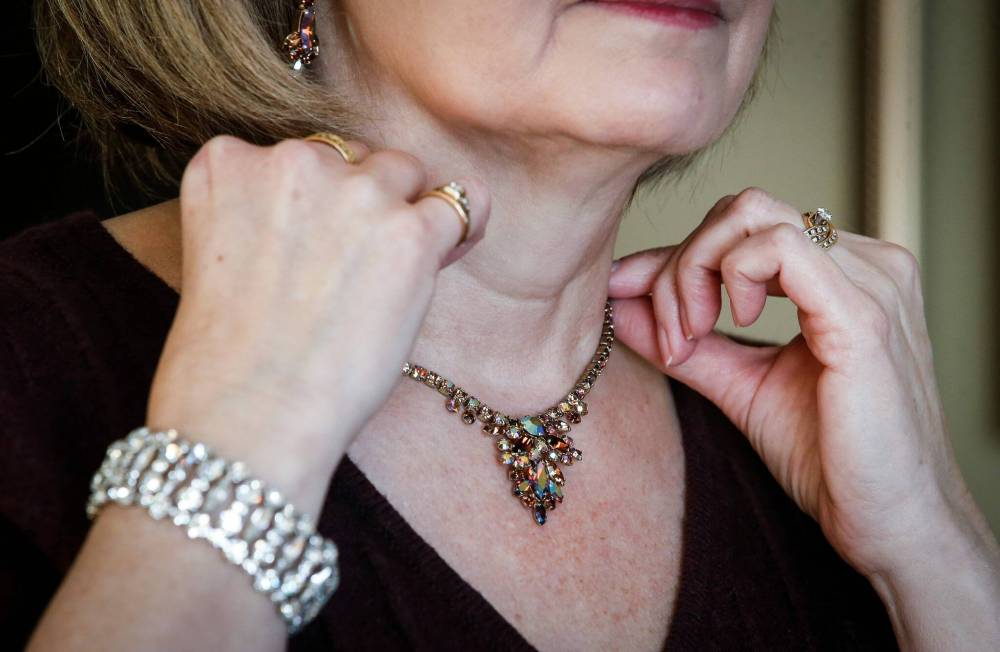
Occasionally, costume jewelry she finds also turns out to be the real thing, Gentile says.
The reasons to thrift are many. Notably, thrifting can save you money, especially when it comes to attiring growing children, Graham says.
Thrifting is also environmentally responsible. “There may be tonnes of new clothing that is dirt cheap, but there are tonnes of ethical and quality questions around buying something like that.”
Fast fashion involves new clothes made on the cheap overseas, often in jurisdictions with dubious protections for workers.
It’s a massive industry. Overall, about 62 million tonnes of clothing is manufactured annually around the world, according to the 2023 book Wasteland: the Secret World of Waste and the Urgent Search for a Cleaner Future.
That’s roughly between 80 billion to 150 billion garments every year for just eight billion people.
The book also notes only about 10 to 30 per cent of second-hand donations actually are sold in a thrift store. Many are resold overseas, but end up as a trash problem in the developing world.
Value Village alone estimates it saves about 146,800 metric tonnes of material from Canada’s waste stream. Thrifting is also climate friendly, estimated to reduce more than 600,000 tonnes of greenhouse gas emissions while reducing water consumption used in textile production by nearly 81 billion litres globally.
Its many tangible benefits aside, thrifting is indeed an addictive hobby. Albeit a good one to have.
“It’s my favourite thing to do,” says Fillion. “When I have an extra half-hour before an appointment, and I am in Transcona, I pop into Mission Thrift.”
Next to the Charleswood Salvation Army on Roblin, Mission Thrift Store on the east side of Winnipeg is her go-to spot to find great furnishings, which she uses for her home and staging homes of clients.
JOHN WOODS / FREE PRESS
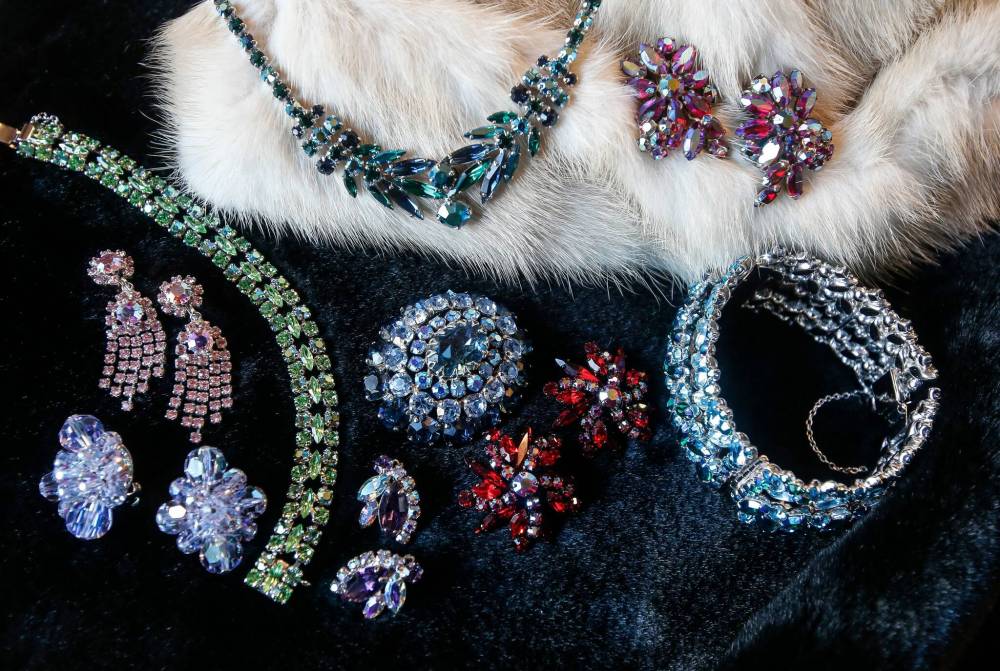
Some of Angela Gentile’s Sherman jewelry that she has picked up over the years.
Many home buyers are also thrifting to furnish.
“Homes are becoming more expensive and first-time homebuyers find it harder to get into the market,” she says. “And thrifting to furnish their home is a great way to save.”
The options to thrift in the city and online are many — ranging from estate sales, pop-up vintage events to thrift stores, antique sellers and online marketplaces.
“Garage sales are often the best places to find home décor with the best prices,” she says.
Flea markets are another thrifting hot spot, Gentile says. She recently purchased a jar full of costume jewelry that turned out to have a few gold pieces in it she then sold for $74 to a gold dealer.
Vintage is increasingly popular with many thrifter sifting through second-hand shops like Value Village to find special items with resale value, she adds. “There are people finding clothing for $3 that they know is worth more because it’s vintage, and they turn around and sell it at a flea market for $15.”
It’s arguably big business.
Consider Value Village is owned by a publicly traded company, trading under Savers Value Village Inc (SVV) on the New York Stock Exchange, with generally about US$1.5 billion in revenue annually.
At the same time, it donates about $10 million annually to the Canadian Diabetes Association, roughly a quarter of the non-profit’s total revenue.
Some thrifters have concerns about shopping at Value Village because it’s a for-profit company, Graham says.
JOHN WOODS / FREE PRESS
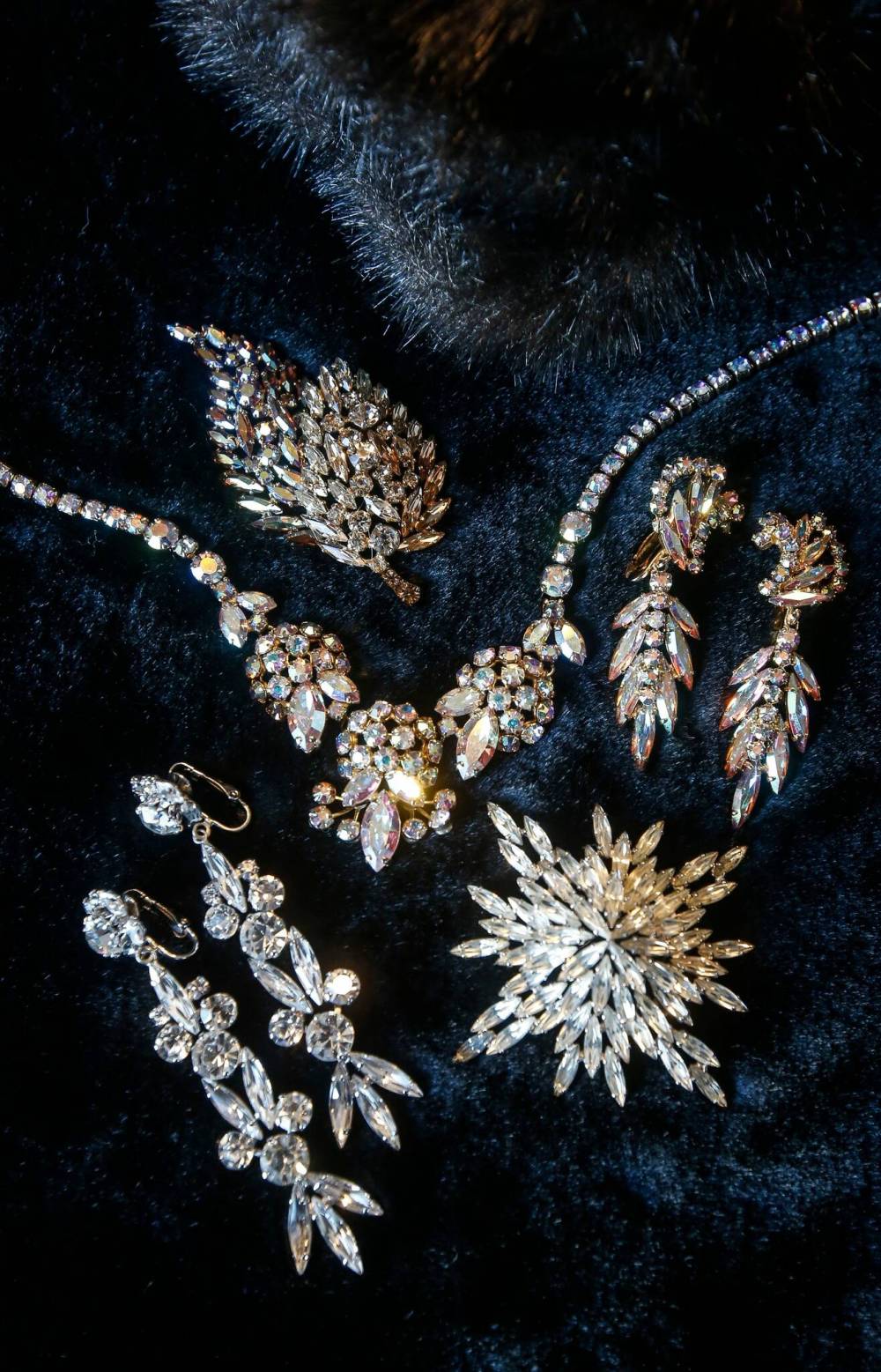
Thrifting has become popular, maybe even addictive for some, and a good way of saving money.
“At the end of the day, if you care about shopping second-hand, then Value Village is still a great place to do that,” she says, noting it often gets the lion’s share of donations in many cities. “Think of all the things you might miss out on by not shopping there.”

For thrifters, the goal is often to leave no second-hand retail rack unexplored.
“That’s probably the biggest tip to being successful,” Fillion says. “Go often.”
After all, you’re saving money and, arguably, the planet. Not to mention, you just might find buried treasure on those shelves, too.
Joel Schlesinger is a Winnipeg-based freelance journalist
joelschles@gmail.com