

Justice Department sues to block $14 billion Juniper buyout by Hewlett Packard Enterprise
Advertisement
Read this article for free:
or
Already have an account? Log in here »
To continue reading, please subscribe:
Monthly Digital Subscription
$1 per week for 24 weeks*
- Enjoy unlimited reading on winnipegfreepress.com
- Read the E-Edition, our digital replica newspaper
- Access News Break, our award-winning app
- Play interactive puzzles
*Billed as $4.00 plus GST every four weeks. After 24 weeks, price increases to the regular rate of $19.95 plus GST every four weeks. Offer available to new and qualified returning subscribers only. Cancel any time.
Monthly Digital Subscription
$4.99/week*
- Enjoy unlimited reading on winnipegfreepress.com
- Read the E-Edition, our digital replica newspaper
- Access News Break, our award-winning app
- Play interactive puzzles
*Billed as $19.95 plus GST every four weeks. Cancel any time.
To continue reading, please subscribe:
Add Free Press access to your Brandon Sun subscription for only an additional
$1 for the first 4 weeks*
*Your next subscription payment will increase by $1.00 and you will be charged $16.99 plus GST for four weeks. After four weeks, your payment will increase to $23.99 plus GST every four weeks.
Read unlimited articles for free today:
or
Already have an account? Log in here »
Hey there, time traveller!
This article was published 30/01/2025 (421 days ago), so information in it may no longer be current.
The Justice Department sued to block Hewlett Packard Enterprise’s $14 billion acquisition of rival Juniper Networks on Thursday, the first attempt to stop a merger by a new Trump administration that is expected to take a softer approach to mergers.
The Justice complaint alleges that Hewlett Packer Enterprise, under increased competitive pressure from the fast-rising Juniper, was forced to discount products and services and invest more in its own innovation, eventually leading the company to simply buy its rival.
The lawsuit said that the combination of businesses would eliminate competition, raise prices and reduce innovation.
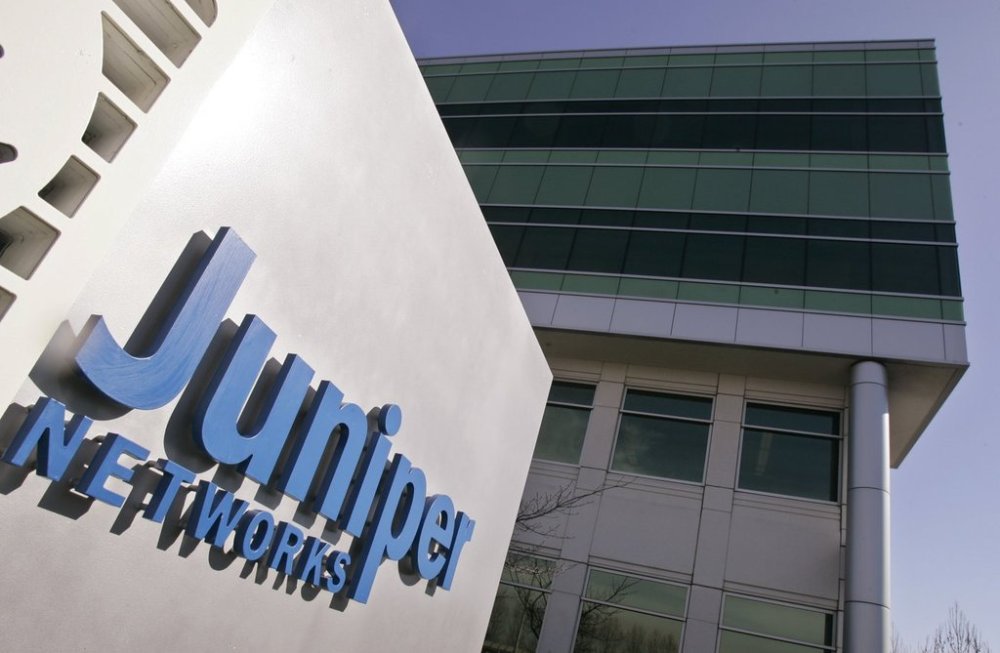
HPE and Juniper issued a joint statement Thursday, saying the companies strongly oppose the DOJ’s decision.
“We will vigorously defend against the Department of Justice’s overreaching interpretation of antitrust laws and will demonstrate how this transaction will provide customers with greater innovation and choice, positively change the dynamics in the networking market,” the companies said.
The combined company would create more competition, not less, the companies said.
The Justice Department’s intervention — the first of the new administration and just 10 days after Donald Trump’s inauguration — comes as somewhat of a surprise. Most predicted a second Trump administration to ease up on antitrust enforcement and be more receptive to mergers and deal-making after years of hypervigilance under former President Joe Biden’s watch.
Hewlett Packard Enterprise announced one year ago that it was buying Juniper Networks for $40 a share in a deal expected to double HPE’s networking business.
In its complaint, the government painted a picture of Hewlett Packard Enterprise as a company desperate to keep up with a smaller rival that was taking its business.
HPE salespeople were concerned about the “Juniper threat,” the complaint said, also alleging that one former executive told his team that “there are no rules in a street fight,” encouraging them to “kill” Juniper when competing for sales opportunities.
The Justice Department said that Hewlett Packard Enterprise and Juniper are the U.S.’s second- and third-largest providers of wireless local area network (WLAN) products and services for businesses.
“The proposed transaction between HPE and Juniper, if allowed to proceed, would further consolidate an already highly concentrated market — and leave U.S. enterprises facing two companies commanding over 70% of the market,” the complaint said, adding that Cisco Systems was the industry leader.
Many businesses and investors accused Biden regulatory agencies of antitrust overreach and were looking forward to a friendlier Trump administration.

Under Biden, the Federal Trade Commission sued to block a $24.6 billion merger between Kroger and Albertsons that would have been the largest grocery store merger in U.S. history. Two judges agreed with the FTC’s case, blocking the proposed deal in December.
In 2023, the Department of Justice, through the courts, forced American and JetBlue airlines to abandon their partnership in the northeast U.S., saying it would reduce competition and eventually cost consumers hundreds of millions of dollars a year. That partnership had the blessing of the Trump administration when it took effect in early 2021.
U.S. regulators also proposed last year to break up Google for maintaining an “abusive monopoly” through its market-dominate search engine, Chrome. Court hearings on Google’s punishment are scheduled to begin in April, with the judge aiming to issue a final decision before Labor Day. It’s unclear where the Trump administration stands on the case.
One merger that both Trump and Biden agreed shouldn’t go through is Nippon Steel’s proposed acquisition of U.S. Steel. Biden blocked the nearly $15 billion acquisition just before his term ended. The companies challenged that decision in a federal lawsuit early this year.
Trump has consistently voiced opposition to the deal, questioning why U.S. Steel would sell itself to a foreign company given the regime of new tariffs he has vowed.