

B.C. Court of Appeal tosses case alleging Tim Hortons wage suppression conspiracy
Advertisement
Read this article for free:
or
Already have an account? Log in here »
To continue reading, please subscribe:
Digital Subscription
One year of digital access for only $1.44 a week*
- Enjoy unlimited reading on winnipegfreepress.com
- Read the E-Edition, our digital replica newspaper
- Access News Break, our award-winning app
- Play interactive puzzles
*Billed as $5.77 plus GST every four weeks. After 52 weeks, price increases to the regular rate of $19.95 plus GST every four weeks. Offer available to new and qualified returning subscribers only. Cancel any time.
To continue reading, please subscribe:
Add Free Press access to your Brandon Sun subscription for only an additional
$1 for the first 4 weeks*
- Enjoy unlimited reading on winnipegfreepress.com
- Read the E-Edition, our digital replica newspaper
- Access News Break, our award-winning app
- Play interactive puzzles
*Your next Brandon Sun subscription payment will increase by $1.00 and you will be charged $17.95 plus GST for four weeks. After four weeks, your payment will increase to $24.95 plus GST every four weeks.
Read unlimited articles for free today:
or
Already have an account? Log in here »
Hey there, time traveller!
This article was published 14/02/2025 (613 days ago), so information in it may no longer be current.
VANCOUVER – The B.C. Court of Appeal has dismissed a bid to revive a class-action lawsuit against Tim Hortons parent company TDL Group Corp. over an alleged wage suppression conspiracy with its franchisees.
The B.C. Supreme Court dismissed the case last year, finding a “no-hire clause” in franchise contracts was meant to protect Tim Hortons franchisees’ investments in employee training, rather than suppress wages by preventing employee poaching between restaurants.
Lead plaintiff Samir Latifi alleged that the primary purpose of the clause in franchise contracts was to increase profits and keep labour costs down through anticompetitive means.
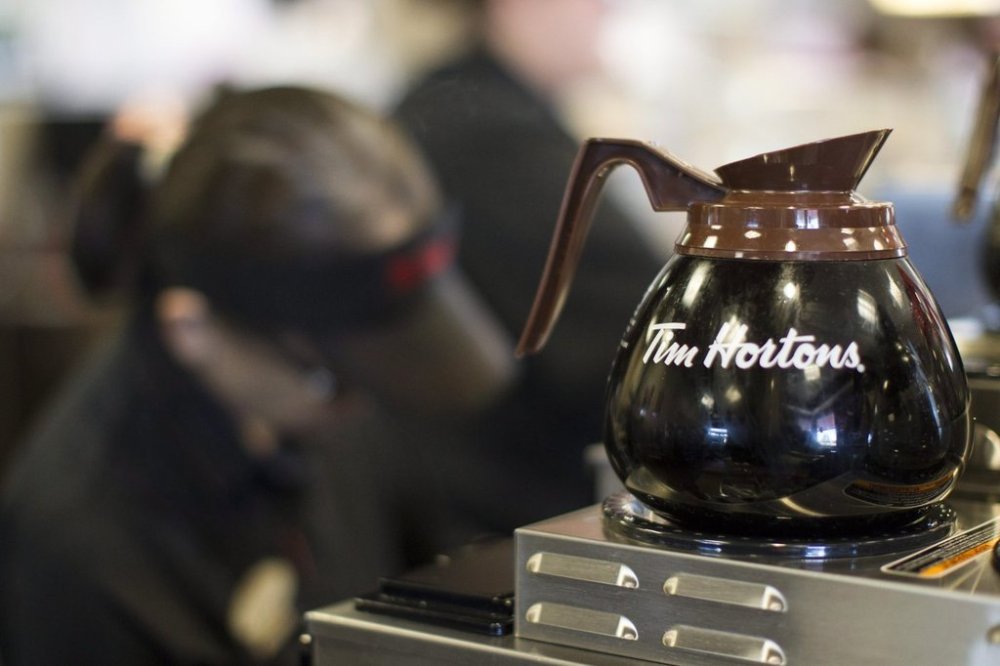
Latifi’s lawsuit alleged the term was contained in TDL’s franchise agreements from 2003 to 2018, and constituted a wage suppression conspiracy between the company and franchisees aimed at fixing or controlling the price of labour in breach of the Competition Act.
But the three-judge panel of the Appeal Court found no errors in the lower court’s ruling that dismissed the claims because the “no-hire clause” had a “valid business purpose” of protecting franchisees’ investments in employee training.

The Appeal Court says the lower court judge found wage suppression may have been an effect of the no-hire clause, but not its intent, which was “fatal” to the plaintiffs’ claim that the main purpose of the clause was to harm employees by limiting their mobility.
This report by The Canadian Press was first published Feb. 14, 2025.