

China orders banks to boost lending, credit card use to get consumers to spend more
Advertisement
Read this article for free:
or
Already have an account? Log in here »
To continue reading, please subscribe:

Digital Subscription
One year of digital access for only $205*
- Enjoy unlimited reading on winnipegfreepress.com
- Read the E-Edition, our digital replica newspaper
- Access News Break, our award-winning app
- Play interactive puzzles
*First annual payment billed as $205.00 + GST for one year. This annual subscription will automatically renew at $233.00 + GST every 52 weeks (10% off the regular annual price of $259.35). Offer available to new and qualified returning subscribers only. Cancel any time.
To continue reading, please subscribe:
Add Free Press access to your Brandon Sun subscription for only an additional
$1 for the first 4 weeks*
- Enjoy unlimited reading on winnipegfreepress.com
- Read the E-Edition, our digital replica newspaper
- Access News Break, our award-winning app
- Play interactive puzzles
*Your next Brandon Sun subscription payment will increase by $1.00 and you will be charged $17.95 plus GST for four weeks. After four weeks, your payment will increase to $24.95 plus GST every four weeks.
Read unlimited articles for free today:
or
Already have an account? Log in here »
Hey there, time traveller!
This article was published 14/03/2025 (558 days ago), so information in it may no longer be current.
BANGKOK (AP) — China has ordered banks and other financial institutions to encourage more consumer financing and use of credit cards as part of a campaign to get people to spend more.
The order Friday from the country’s financial regulator is part of the ruling Communist Party’s latest push to build more confidence among consumers who are opting to save rather than spend, worried over jobs and the outlook for the economy.
It said banks should lend more and also find ways to help borrowers who run into difficulties. Share prices in China surged following the notice from the National Financial Regulatory Commission.
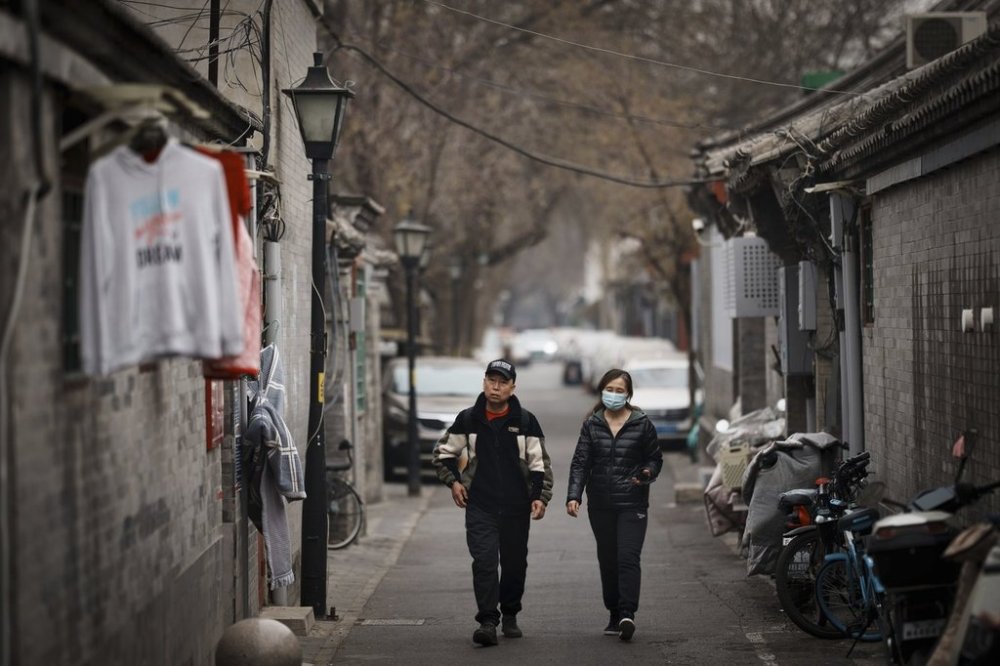
Officials are due to hold a briefing on Monday on efforts to increase spending and investment, factors considered crucial for keeping the economy on track following the setbacks of the COVID-19 pandemic, when millions of people lost jobs and many companies went out of business.
The Chinese economy, the world’s second-largest, has been growing recently at about a 5% pace, according to official statistics. But worries over jobs and the burden of health care and education have left many Chinese unwilling to spend much, hobbling a major driver of business activity.
A prolonged downturn in the property market triggered by government efforts to rein in excessive borrowing by real estate developers has also weighed on consumer sentiment, leaving many families feeling worse off than in the past.
Last year, a surge in exports helped to make up for the persisting weakness in domestic demand, which is fueled by spending and investment. But U.S. President Donald Trump’s orders to sharply raise tariffs on imports of Chinese goods may dent exports in coming months, raising risks for many types of businesses.
Apart from expanding use of consumer credit, the government is spending tens of billions of dollars on car and appliance trade-in programs meant to encourage use of more energy efficient products, but also to soak up excess inventories due to weak demand.

The level of consumer financing and other personal borrowing in China has tended to be much lower than in the U.S. and many other countries, although it has surged in recent years. Nearly nine in 10 Chinese families own their homes, while fewer than half of homeowners have mortgages.
Use of cash and online apps and other forms of digital payments are more common than use of credit cards.