

Texas judge throws out rule that would have capped credit card late fees
Advertisement
Read this article for free:
or
Already have an account? Log in here »
To continue reading, please subscribe:

Digital Subscription
One year of digital access for only $205*
- Enjoy unlimited reading on winnipegfreepress.com
- Read the E-Edition, our digital replica newspaper
- Access News Break, our award-winning app
- Play interactive puzzles
*First annual payment billed as $205.00 + GST for one year. This annual subscription will automatically renew at $233.00 + GST every 52 weeks (10% off the regular annual price of $259.35). Offer available to new and qualified returning subscribers only. Cancel any time.
To continue reading, please subscribe:
Add Free Press access to your Brandon Sun subscription for only an additional
$1 for the first 4 weeks*
- Enjoy unlimited reading on winnipegfreepress.com
- Read the E-Edition, our digital replica newspaper
- Access News Break, our award-winning app
- Play interactive puzzles
*Your next Brandon Sun subscription payment will increase by $1.00 and you will be charged $17.95 plus GST for four weeks. After four weeks, your payment will increase to $24.95 plus GST every four weeks.
Read unlimited articles for free today:
or
Already have an account? Log in here »
Hey there, time traveller!
This article was published 15/04/2025 (510 days ago), so information in it may no longer be current.
HOUSTON (AP) — A Texas judge on Tuesday threw out a federal rule that would have capped credit card late fees after officials with President Donald Trump’s administration and a coalition of major banking groups agreed that the rule was illegal.
The ruling by U.S. District Judge Mark Pittman in Fort Worth came a day after the Consumer Financial Protection Bureau and a collection of major industry groups that had filed a lawsuit last year to stop the rule announced they had come to an agreement to throw out the rule. The groups that sued included the American Bankers Association, the Consumer Bankers Association, and the U.S. Chamber of Commerce.
The banks and other groups had alleged the new rule — proposed last year under the administration of President Joe Biden — violated the Credit Card Accountability Responsibility and Disclosure or CARD Act of 2009, which was enacted to protect consumers from unfair practices by credit card companies. The groups claimed the new rule did not allow credit card issuers “to charge fees that sufficiently account for deterrence or consumer conduct, including with respect to repeat violations.”
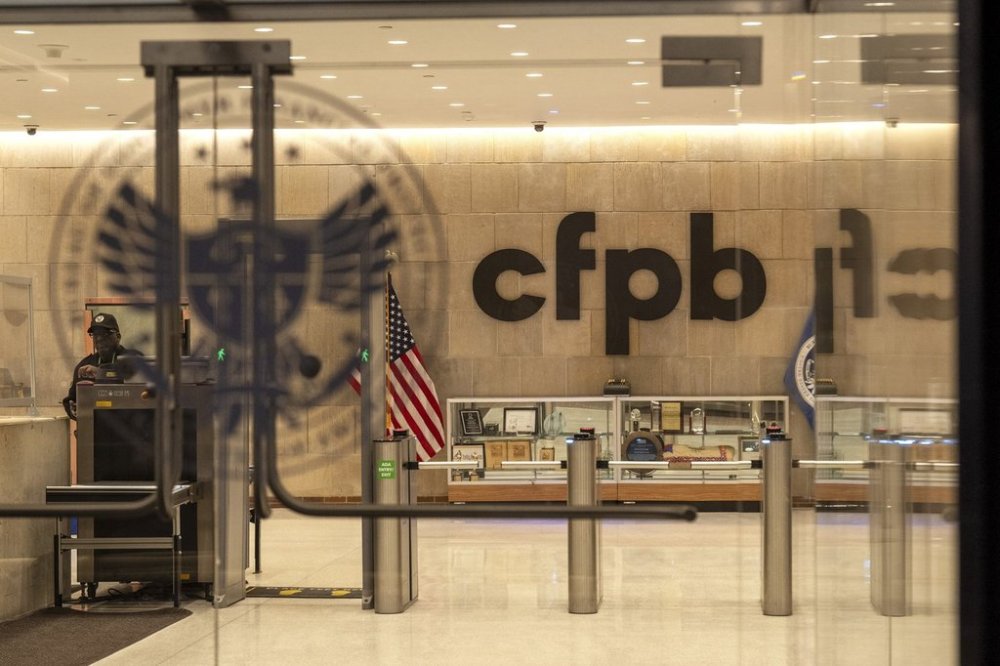
“The parties agree that, in the Late Fee Rule, the Bureau violated the CARD Act by failing to allow card issuers to ‘charge penalty fees reasonable and proportional to violations,’” attorneys with the CFPB wrote in a joint motion on Monday with the banking groups to vacate the rule.
The banks have been pushing hard to stop the late fee rule, due to the potential billions of dollars the banks would lose in revenue. The CFPB estimated when it issued the proposal last year that banks brought in roughly $14 billion in credit card late fees a year.
“This is a win for consumers and common sense. If the CFPB’s rule had gone into effect, it would have resulted in more late payments, lower credit scores, higher interest rates and reduced credit access for those who need it most. It would have also penalized the millions of Americans who pay their credit card bills on time and reduced important incentives for consumers to manage their finances,” the banking groups and others said in a joint statement on Tuesday.

Even if the lawsuit had gone forward, the banking groups had a good chance of winning as Pittman in a December ruling had said they would have likely prevailed as he found that the new rule violated the CARD Act by not allowing credit card issuers to charge penalty fees that are reasonable and proportional to violations.
The CFPB has been in turmoil since the Trump administration earlier this year began dismantling it, targeting it for mass firings and dropping various enforcement actions against companies like Capital One and Rocket Homes. A federal judge last month issued a preliminary injunction that temporarily stopped the agency’s demise.
The CFPB was created in the wake of the 2008 financial crisis to protect consumers from unfair, deceptive, or abusive practices by a wide range of financial institutions and businesses.
___
Follow Juan A. Lozano on X at juanlozano70