

Fire that shut Heathrow was caused by a preventable technical fault known for years, report finds
Advertisement
Read this article for free:
or
Already have an account? Log in here »
To continue reading, please subscribe:
Monthly Digital Subscription
$1 per week for 24 weeks*
- Enjoy unlimited reading on winnipegfreepress.com
- Read the E-Edition, our digital replica newspaper
- Access News Break, our award-winning app
- Play interactive puzzles
*Billed as $4.00 plus GST every four weeks. After 24 weeks, price increases to the regular rate of $19.95 plus GST every four weeks. Offer available to new and qualified returning subscribers only. Cancel any time.
Monthly Digital Subscription
$4.99/week*
- Enjoy unlimited reading on winnipegfreepress.com
- Read the E-Edition, our digital replica newspaper
- Access News Break, our award-winning app
- Play interactive puzzles
*Billed as $19.95 plus GST every four weeks. Cancel any time.
To continue reading, please subscribe:
Add Free Press access to your Brandon Sun subscription for only an additional
$1 for the first 4 weeks*
*Your next subscription payment will increase by $1.00 and you will be charged $16.99 plus GST for four weeks. After four weeks, your payment will increase to $23.99 plus GST every four weeks.
Read unlimited articles for free today:
or
Already have an account? Log in here »
Hey there, time traveller!
This article was published 02/07/2025 (268 days ago), so information in it may no longer be current.
LONDON (AP) — An electrical substation fire that shut down Heathrow Airport, canceling more than 1,300 flights, was caused by a preventable technical fault identified almost seven years earlier, a report found Wednesday.
Europe’s busiest air hub shut for about 18 hours in March after a fire knocked out one of the three electrical substations that supply Heathrow with power. More than 270,000 passengers had journeys disrupted.
Counterterrorism police initially led the investigation into the fire, which came as authorities across Europe girded against sabotage backed by Russia.
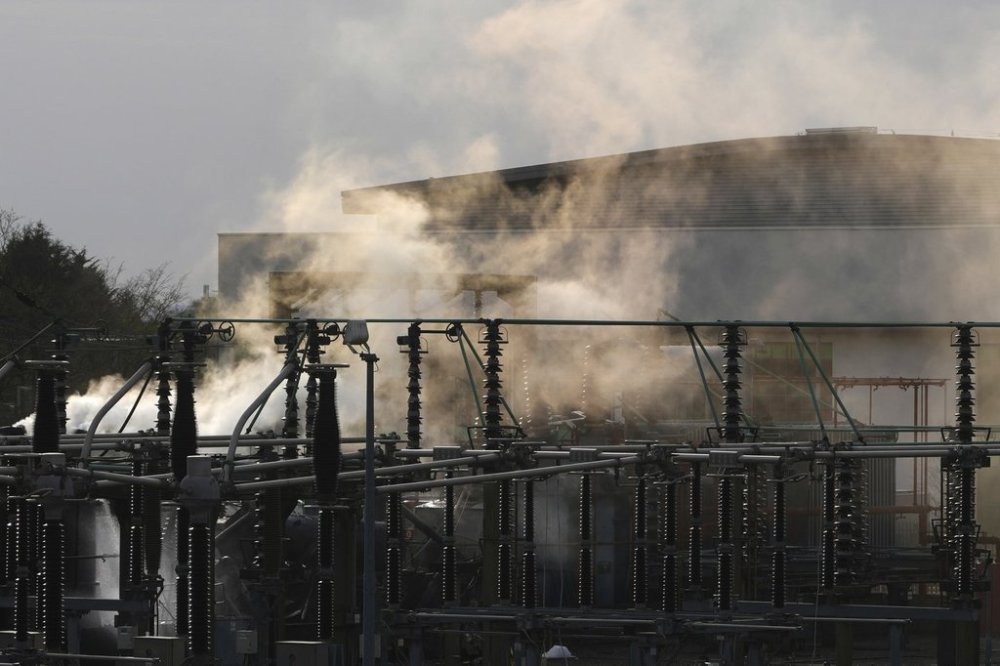
Though authorities quickly ruled out vandalism or sabotage, the fire’s huge impact raised concern about the resilience of Britain’s energy system to accidents, natural disasters or attacks.
The government ordered an investigation into “any wider lessons to be learned on energy resilience for critical national infrastructure.”
The report by the National Energy System Operator said that an “elevated moisture reading” had been found in oil samples at the substation in west London in July 2018, but action wasn’t taken to replace electrical insulators known as bushings.
It said that the March 20 blaze was caused by a “catastrophic failure” in one of the transformers, “most likely caused by moisture entering the bushing causing a short circuit” that ignited the oil.
The report also said Heathrow underestimated the likelihood of losing one of its three power sources, and as a result, “its internal electrical distribution network was not designed or configured to take advantage of having multiple supply points to provide quick recovery following such a loss.”

Energy Secretary Ed Miliband said that the findings were “deeply concerning.” He said that energy industry regulator Ofgem had opened an investigation into whether the substation’s operator, National Grid Electricity Transmission, had breached its license conditions.
National Grid said that Britain has “one of the most reliable networks in the world, and events of this nature are rare. National Grid has a comprehensive asset inspection and maintenance program in place, and we have taken further action since the fire.”