

Canadian pharmaceutical industry alarmed after Trump floats 200 per cent tariff
Advertisement
Read this article for free:
or
Already have an account? Log in here »
To continue reading, please subscribe:

Digital Subscription
One year of digital access for only $205*
- Enjoy unlimited reading on winnipegfreepress.com
- Read the E-Edition, our digital replica newspaper
- Access News Break, our award-winning app
- Play interactive puzzles
*First annual payment billed as $205.00 + GST for one year. This annual subscription will automatically renew at $233.00 + GST every 52 weeks (10% off the regular annual price of $259.35). Offer available to new and qualified returning subscribers only. Cancel any time.
To continue reading, please subscribe:
Add Free Press access to your Brandon Sun subscription for only an additional
$1 for the first 4 weeks*
- Enjoy unlimited reading on winnipegfreepress.com
- Read the E-Edition, our digital replica newspaper
- Access News Break, our award-winning app
- Play interactive puzzles
*Your next Brandon Sun subscription payment will increase by $1.00 and you will be charged $17.95 plus GST for four weeks. After four weeks, your payment will increase to $24.95 plus GST every four weeks.
Read unlimited articles for free today:
or
Already have an account? Log in here »
Hey there, time traveller!
This article was published 09/07/2025 (418 days ago), so information in it may no longer be current.
WASHINGTON – Canada likely isn’t the main target of U.S. President Donald Trump’s threat to impose a 200 per cent tariff on pharmaceutical imports, an industry representative said Wednesday — but his plan could still put parts of the Canadian sector in peril.
“Canada is not the target but we could get caught in the crossfire if there are broad-based tariffs on pharmaceuticals,” said Canadian Generic Pharmaceutical Association president Jim Keon.
On Tuesday, Trump floated the idea of massive pharmaceutical tariffs but said he would give drug makers up to a year and a half before introducing the duties.
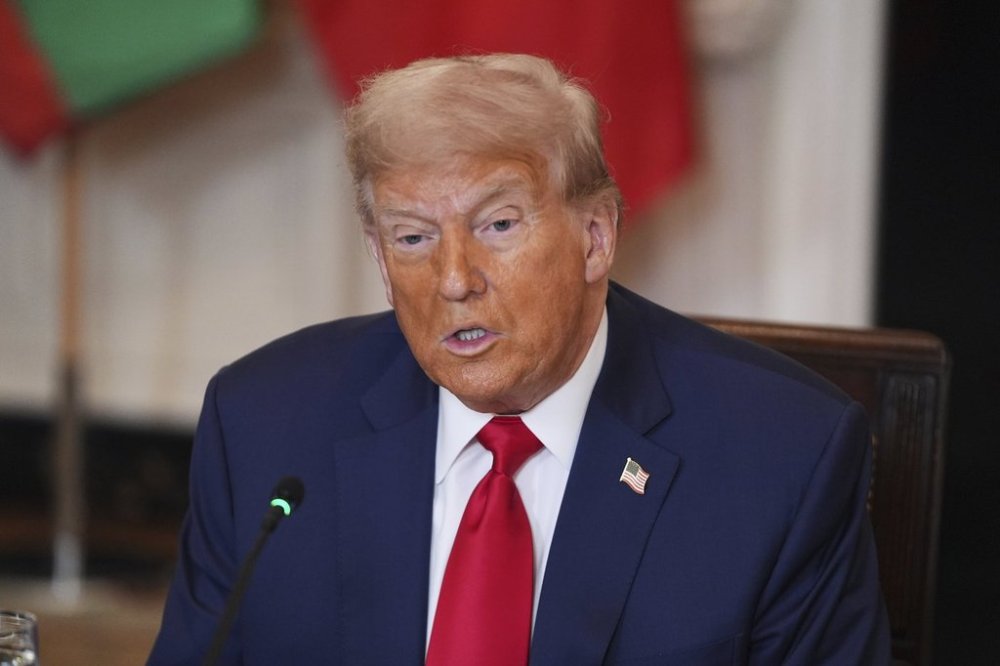
Trump launched an investigation under Section 232 of the Trade Expansion Act of 1962 into pharmaceuticals in April, claiming national security concerns linked to America’s reliance on imported drugs. A lot of those imported drugs come from China and India.
A report on that investigation has not been released but Commerce Secretary Howard Lutnick told CNBC Tuesday that details about pharmaceutical duties would come out at the end of the month.
Generic medicines are used to fill about 90 per cent of all prescriptions in the United States. Canadian exports amount to less than five per cent of all generic medicines sold in the U.S., Keon said.
Such a low volume shouldn’t trigger any U.S. concerns about an overreliance on imports, Keon said.
He said there is hope that the economic and security agreement being negotiated between Canada and the United States will ensure pharmaceuticals remain tariff-free. Ottawa and the Trump administration have set a July 21 target to finalize the deal.
“We have learned over the last six to eight months not to overreact to the statements and wait and see what actually comes out in the executive order in the tariffs themselves,” Keon said.
But if Canada is not spared from the looming pharmaceutical duties, Keon said, that would have impacts for Canadian and foreign companies that manufacture drugs in this country.
Generic pharmaceuticals have a low profit margin. Without access to the American market, Keon said, it might not be practical for some companies in Canada to continue producing certain generic medicines for the domestic market.

Drugmakers have said that tariffs on pharmaceuticals could also cause shortages in the United States and increase costs for Americans who need medicine.
“I think as a Canadian industry and as part of a global industry, we’ve been operating without tariffs for the last several decades and imposing tariffs is going to increase costs and complicate supply chains,” Keon said.
Keon said there is support for the Trump administration launching separate studies looking for ways to reduce prices and make the U.S. a more attractive market for drug manufacturing.
Certain measures like harmonizing regulatory standards with those of other countries would help reduce unnecessary costs, he said.
This report by The Canadian Press was first published July 9, 2025.