

Canada pushing to include Indigenous rights in United Nations plastics treaty
Advertisement
Read this article for free:
or
Already have an account? Log in here »
To continue reading, please subscribe:

Digital Subscription
One year of digital access for only $205*
- Enjoy unlimited reading on winnipegfreepress.com
- Read the E-Edition, our digital replica newspaper
- Access News Break, our award-winning app
- Play interactive puzzles
*First annual payment billed as $205.00 + GST for one year. This annual subscription will automatically renew at $233.00 + GST every 52 weeks (10% off the regular annual price of $259.35). Offer available to new and qualified returning subscribers only. Cancel any time.
To continue reading, please subscribe:
Add Free Press access to your Brandon Sun subscription for only an additional
$1 for the first 4 weeks*
- Enjoy unlimited reading on winnipegfreepress.com
- Read the E-Edition, our digital replica newspaper
- Access News Break, our award-winning app
- Play interactive puzzles
*Your next Brandon Sun subscription payment will increase by $1.00 and you will be charged $17.95 plus GST for four weeks. After four weeks, your payment will increase to $24.95 plus GST every four weeks.
Read unlimited articles for free today:
or
Already have an account? Log in here »
Hey there, time traveller!
This article was published 06/08/2025 (404 days ago), so information in it may no longer be current.
OTTAWA – Canada is pushing to bring language recognizing the rights of Indigenous peoples back into a United Nations plastics pollution treaty.
Delegates from more than 170 countries are in Geneva to resume negotiations on a treaty that was supposed to be finalized last year.
Countries are at odds on how far the legally binding agreement should go, with many nations opposing caps on plastic production.
Following negotiations in South Korea in November, which ended without an agreement, the draft version of the treaty removed references to the UN Declaration on the Rights of Indigenous Peoples.
Canada, with the backing of 45 other countries, presented a proposal Tuesday to put UNDRIP language back in to the treaty.

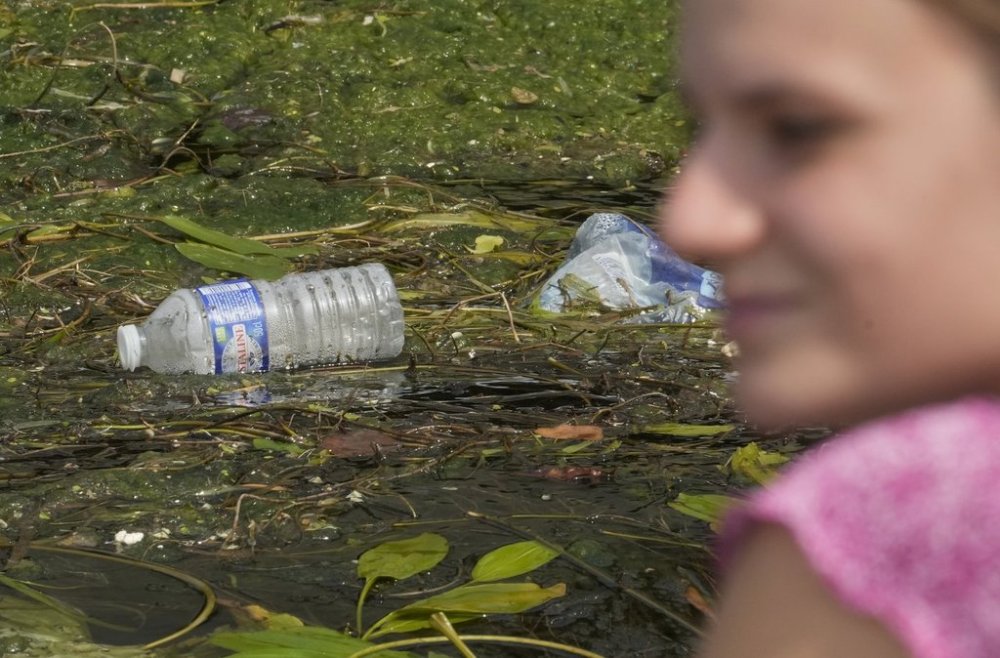
Scientists estimate the world disposes of more than 350 million tonnes of plastic every year, with less than one-tenth being recycled and more than one-fifth ending up in the environment.
This report by The Canadian Press was first published Aug. 6, 2025.