

U.S. truck maker Paccar lays off 300 workers in Quebec ahead of tariffs
Advertisement
Read this article for free:
or
Already have an account? Log in here »
To continue reading, please subscribe:

Digital Subscription
One year of digital access for only $205*
- Enjoy unlimited reading on winnipegfreepress.com
- Read the E-Edition, our digital replica newspaper
- Access News Break, our award-winning app
- Play interactive puzzles
*First annual payment billed as $205.00 + GST for one year. This annual subscription will automatically renew at $233.00 + GST every 52 weeks (10% off the regular annual price of $259.35). Offer available to new and qualified returning subscribers only. Cancel any time.
To continue reading, please subscribe:
Add Free Press access to your Brandon Sun subscription for only an additional
$1 for the first 4 weeks*
- Enjoy unlimited reading on winnipegfreepress.com
- Read the E-Edition, our digital replica newspaper
- Access News Break, our award-winning app
- Play interactive puzzles
*Your next Brandon Sun subscription payment will increase by $1.00 and you will be charged $17.95 plus GST for four weeks. After four weeks, your payment will increase to $24.95 plus GST every four weeks.
Read unlimited articles for free today:
or
Already have an account? Log in here »
Hey there, time traveller!
This article was published 22/10/2025 (304 days ago), so information in it may no longer be current.
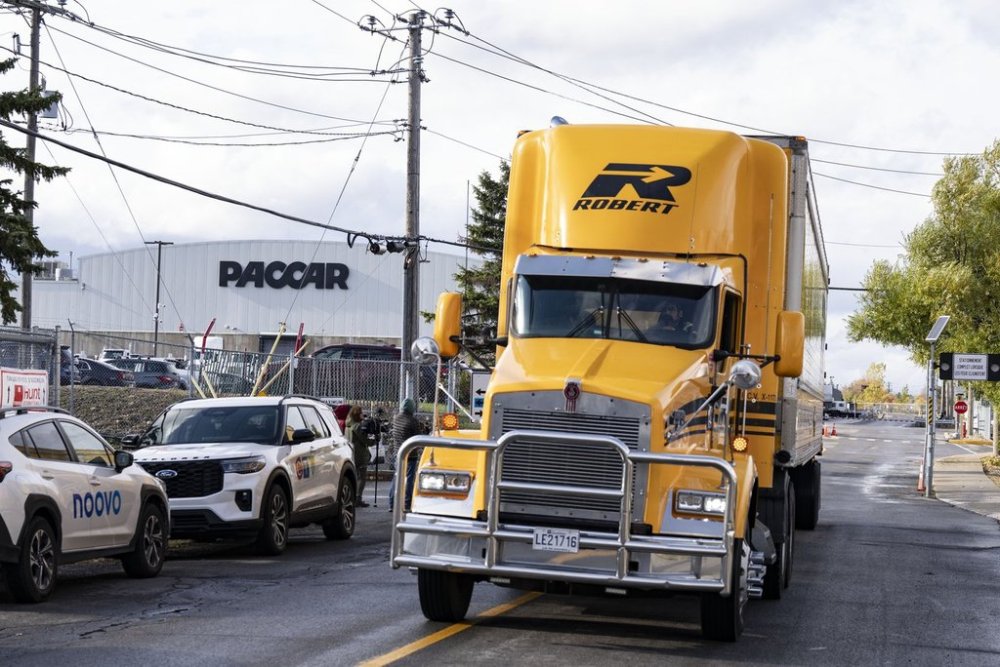
MONTREAL – American truck maker Paccar Inc. has laid off 300 more factory workers in Quebec ahead of a 25 per cent import tariff to be imposed by the U.S. next month.
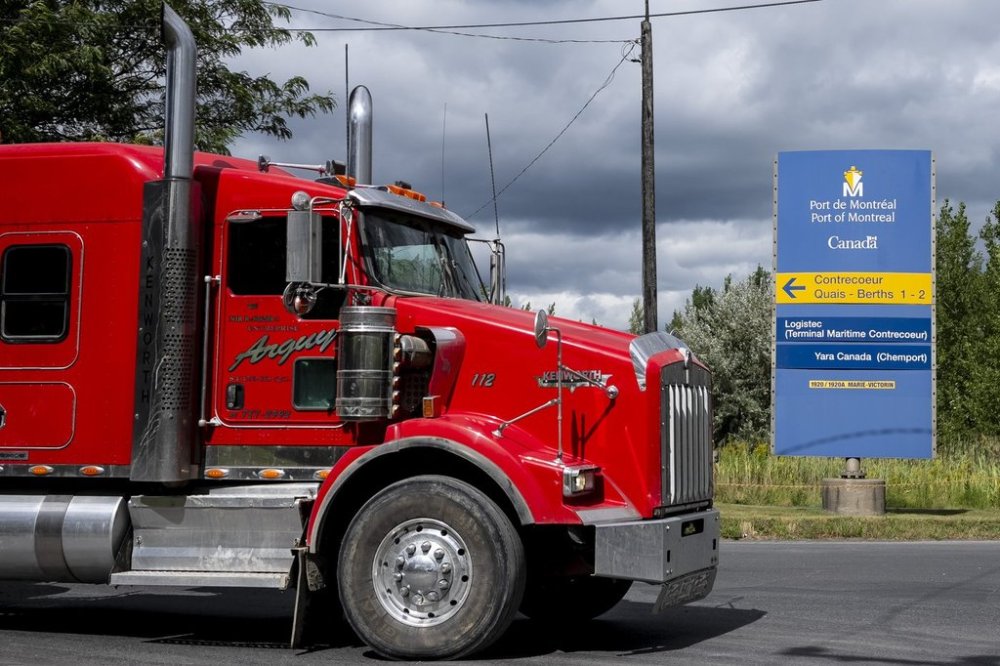
The factory in Sainte-Thérèse, a Montreal suburb, manufactures Kenworth and Peterbilt trucks and relies heavily on revenue from the United States.
Unifor Quebec director Daniel Cloutier calls the cuts “a wake-up call” as the plant risks losing buyers south of the border due to the hefty levies on commercial trucks, set to take effect Nov. 1.
“If the Sainte-Thérèse plant loses its sales in the United States, we must do everything in our power to replenish its order book with customers here,” he said in a statement.
Quebec Economy Minister Christine Fréchette said Paccar executives told her of they hope to develop products for the Canadian market.
The factory will likely find itself in competition with other plants owned by Paccar, which can shift production to its facilities in the U.S.
In a conference call with analysts this week, chief executive Preston Feight called the sectoral tariffs “a good thing for Paccar’s customers,” pointing to its plants on American soil that could prove an advantage against competitors.

“It’s going to be good because we manufacture trucks in Texas, Ohio and Washington state,” he said. “It will improve our competitive position as we approach next year.”
The announcement is the latest in a series of layoffs at the company’s Quebec plant, where some 425 workers had already been let go since January.
Despite the attrition, Quebec Finance Minister Eric Girard said he did not consider the cuts a death knell.
“There are 1,000 employees, and we’re talking about a reduction of 300,” he said. “This is not the end. There is expertise there, and there are people working there.”
This report by The Canadian Press was first published Oct. 22, 2025.