

Illicit opioids linked to post-pandemic rise in fatal overdoses in Nova Scotia: study
Advertisement
Read this article for free:
or
Already have an account? Log in here »
To continue reading, please subscribe:
Monthly Digital Subscription
$1 per week for 24 weeks*
- Enjoy unlimited reading on winnipegfreepress.com
- Read the E-Edition, our digital replica newspaper
- Access News Break, our award-winning app
- Play interactive puzzles
*Billed as $4.00 plus GST every four weeks. After 24 weeks, price increases to the regular rate of $19.95 plus GST every four weeks. Offer available to new and qualified returning subscribers only. Cancel any time.
Monthly Digital Subscription
$4.99/week*
- Enjoy unlimited reading on winnipegfreepress.com
- Read the E-Edition, our digital replica newspaper
- Access News Break, our award-winning app
- Play interactive puzzles
*Billed as $19.95 plus GST every four weeks. Cancel any time.
To continue reading, please subscribe:
Add Free Press access to your Brandon Sun subscription for only an additional
$1 for the first 4 weeks*
*Your next subscription payment will increase by $1.00 and you will be charged $16.99 plus GST for four weeks. After four weeks, your payment will increase to $23.99 plus GST every four weeks.
Read unlimited articles for free today:
or
Already have an account? Log in here »
HALIFAX – A new study shows the decline in opioid-related deaths reported in Nova Scotia early in the COVID-19 pandemic was followed by a significant increase in deaths linked to illicit versions of the drug as the pandemic waned.
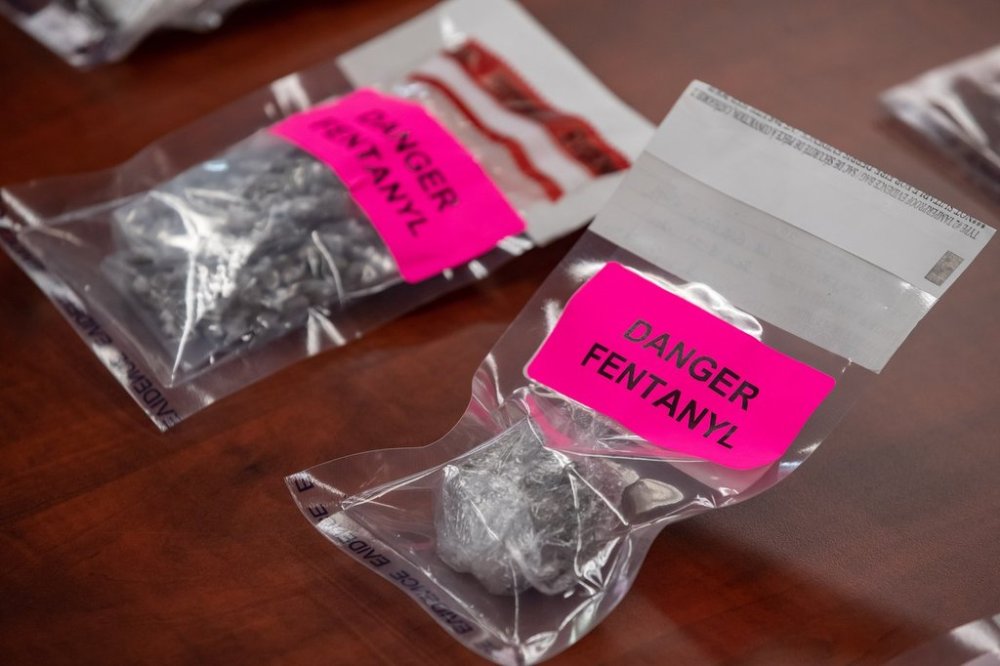
Researchers at Dalhousie University in Halifax took a close look at data related to fatal opioid overdoses and other opioid-related deaths between 2009 to 2023. Their study focused on the differences between pharmaceutical opioids, typically prescribed for pain relief, and their illicit variants including heroin and fentanyl.
Throughout the period studied, deaths related to pharmaceutical opioids remained much higher than those related to illicit opioids. But by 2022-23, the illicit drugs became a growing contributor to fatalities in Nova Scotia, the study says.
Dr. Mark Asbridge, a professor in Dalhousie’s Department of Community Health and Epidemiology, said it appears deaths related to pharmaceutical opioids decreased during the early stages of the pandemic because access to those drugs was limited as the health-care system responded to government-imposed lockdowns.
“That interruption to the system had seemed to have a bigger impact, at least in terms of the pharmaceutical side,” said Asbridge, co-author of the study published in the Canadian Journal of Public Health in August.
Meanwhile, the illicit drug trade continued through the pandemic, Asbridge said, adding that it actually picked up in the Halifax region.
Still, Nova Scotia continued to record proportionally more pharmaceutical-related fatalities than most other provinces, the study says. Those deaths are often caused by prescription misuse or unintentional overdoses.
“Fentanyl is not as big an issue in Nova Scotia as it is in the West,” Asbridge said. “(But) we have a long history, going back to the early 1990s, of the misuse of prescription opioids.”
In 2024, the per-capita rate for opioid toxicity deaths was about 40 per 100,000 in British Columbia, where 2,299 people died that year, according to the Public Health Agency of Canada. In the Atlantic provinces and Quebec, the rate was less than 10 per 100,000.
Citing other studies, the researchers said the opioid crisis in Canada has been devastating, claiming almost 23,000 lives between January 2016 and March 2021, with rates continuing to rise in recent years.

In June of this year, the Public Health Agency released figures showing fatal opioid overdoses and other opioid-related deaths had decreased across Canada by 17 per cent from January to December 2024, compared to the same period in 2023.
The Canadian Centre on Substance Use and Addiction, however, produced a report in August noting that all regions in Canada had reported the overall number of deaths remained very high, while some provinces and territories were seeing consistent increases or renewed increases following a period of decline.
Most of the decreases were reported between 2023 and 2024 in British Columbia, Alberta, Saskatchewan, Manitoba, Ontario, New Brunswick and Yukon. Trends in Nova Scotia and P.E.I. were largely unchanged, the centre’s report said.
“Despite the recent decreases, death rates were still higher in 2024 compared to 2019,” the centre said, adding that Quebec, the Northwest Territories and Newfoundland and Labrador had reported an increasing number of deaths from 2023 to 2024.
This report by The Canadian Press was first published Nov. 26, 2025.