

Ontario government spending $112M on advertising, more than ever before: auditor
Advertisement
Read this article for free:
or
Already have an account? Log in here »
To continue reading, please subscribe:
Monthly Digital Subscription
$1 per week for 24 weeks*
- Enjoy unlimited reading on winnipegfreepress.com
- Read the E-Edition, our digital replica newspaper
- Access News Break, our award-winning app
- Play interactive puzzles
*Billed as $4.00 plus GST every four weeks. After 24 weeks, price increases to the regular rate of $19.95 plus GST every four weeks. Offer available to new and qualified returning subscribers only. Cancel any time.
Monthly Digital Subscription
$4.99/week*
- Enjoy unlimited reading on winnipegfreepress.com
- Read the E-Edition, our digital replica newspaper
- Access News Break, our award-winning app
- Play interactive puzzles
*Billed as $19.95 plus GST every four weeks. Cancel any time.
To continue reading, please subscribe:
Add Free Press access to your Brandon Sun subscription for only an additional
$1 for the first 4 weeks*
*Your next subscription payment will increase by $1.00 and you will be charged $16.99 plus GST for four weeks. After four weeks, your payment will increase to $23.99 plus GST every four weeks.
Read unlimited articles for free today:
or
Already have an account? Log in here »
TORONTO – The Ontario government spent the highest recorded amount on advertising last year, the auditor found, a flurry of public spending the opposition parties accused the government of using to promote itself in an election year.
Auditor general Shelley Spence said government spending on advertising has traditionally spiked around elections, but in the fiscal 2024-25 year that rose to $111.9 million, the highest ever.
That is $8.4 million more than the previous year, which held the previous record for spending, she said.
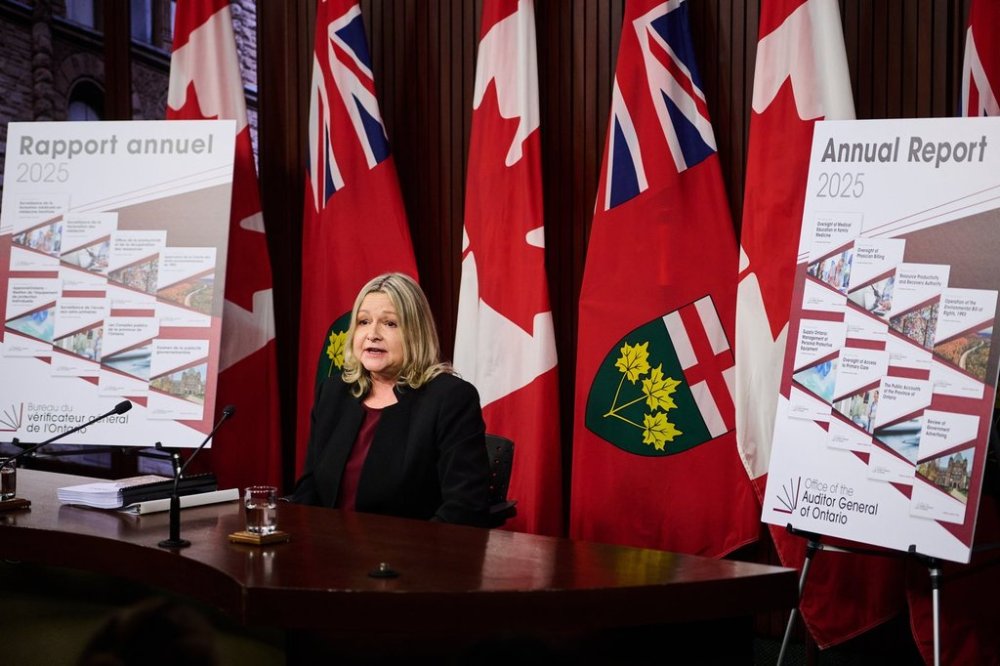
Many of the ad campaigns were designed to foster a positive impression of the Progressive Conservatives, rather than give Ontarians information about government programs or services, Spence said.
“When I look at value for money for those ads, we look at is this telling me anything I didn’t know as a person in Ontario, and some of the ads, they’re quite promotional for the governing party,” she said at a press conference.
“They aren’t really providing really good, solid information to the citizens of Ontario.”
The former Liberal government changed advertising rules 10 years ago that drastically reduced the auditor general’s power to veto a publicly funded ad as partisan, and despite promising in 2018 to revert to the former rules, the Tories decided to keep them.
The ads flagged this year by the auditor general that would not have passed muster under the previous rules about partisan advertising include the government’s “It’s happening here” campaigns about the energy, mining and auto manufacturing sectors.
Those ads totalled $43 million, or about 38 per cent of all government ad spending, Spence found.
NDP Leader Marit Stiles accused the Progressive Conservative government of using public money to finance its political purposes ahead of an election.
“Only the premier knew that election was coming,” she said.
“He called a snap election, but he knew when it was coming. His government knew when it was coming, and they used the taxpayers’ money to put out partisan ads to convince Ontarians that everything was great in their world.”

Green Party Leader Mike Schreiner said there is an important role for government ads to play, but the government is using them as promotion.
“We need ads that actually provide people with information about concrete steps they can do to improve their lives and access government services, not partisan political ads fully designed to advance the premier’s own personal political agenda,” he said.
Liberal parliamentary leader John Fraser said the government’s spending on what he calls partisan ads is “gross” and it was a mistake for the former Liberal government to loosen the rules.
“It’s so brazen and so open,” he said. “I’m mad because of that and I’m also mad because we changed the law … that was the wrong thing to do.”
This report by The Canadian Press was first published Dec. 2, 2025.