Mexico’s Congress approves tariff hikes on imports from China and others
Advertisement
Read this article for free:
or
Already have an account? Log in here »
To continue reading, please subscribe:
Monthly Digital Subscription
$1 per week for 24 weeks*
- Enjoy unlimited reading on winnipegfreepress.com
- Read the E-Edition, our digital replica newspaper
- Access News Break, our award-winning app
- Play interactive puzzles
*Billed as $4.00 plus GST every four weeks. After 24 weeks, price increases to the regular rate of $19.95 plus GST every four weeks. Offer available to new and qualified returning subscribers only. Cancel any time.
Monthly Digital Subscription
$4.99/week*
- Enjoy unlimited reading on winnipegfreepress.com
- Read the E-Edition, our digital replica newspaper
- Access News Break, our award-winning app
- Play interactive puzzles
*Billed as $19.95 plus GST every four weeks. Cancel any time.
To continue reading, please subscribe:
Add Free Press access to your Brandon Sun subscription for only an additional
$1 for the first 4 weeks*
*Your next subscription payment will increase by $1.00 and you will be charged $16.99 plus GST for four weeks. After four weeks, your payment will increase to $23.99 plus GST every four weeks.
Read unlimited articles for free today:
or
Already have an account? Log in here »
MEXICO CITY (AP) — Mexico’s Congress approved Wednesday most of the tariff increases proposed by the government on more than 1,400 products imported from China and other countries that do not have free trade agreements with Mexico.
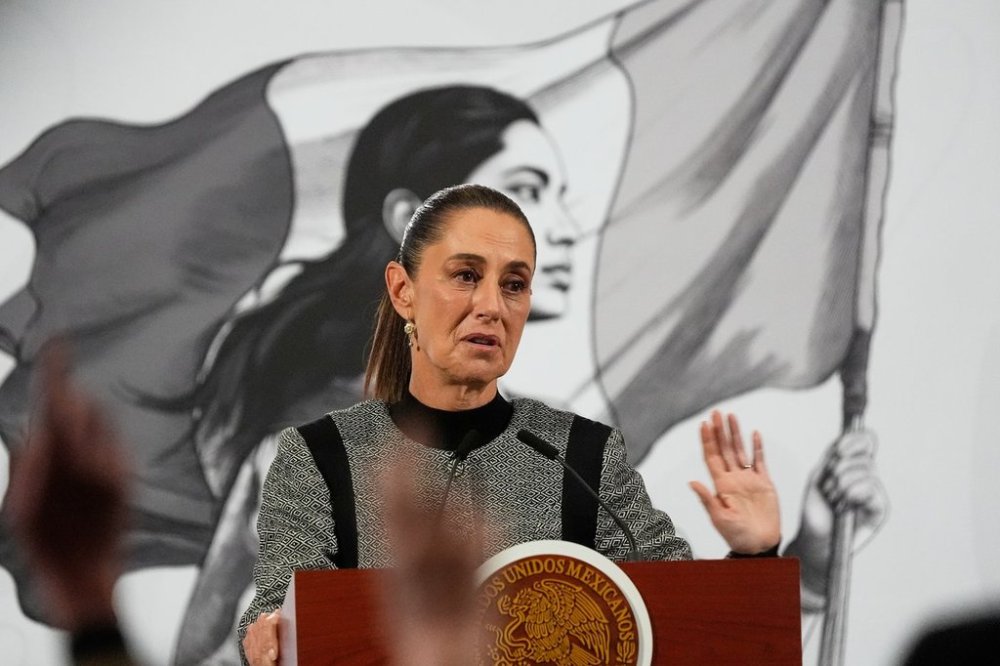
The Senate passed the measure Wednesday evening, following the lower chamber, which had approved the increases before dawn. The governing Morena party of President Claudia Sheinbaum, who said the tariffs were necessary to spur domestic production, controls both chambers. The Senate passed the legislation with 76 votes in favor, five against and 35 abstentions.
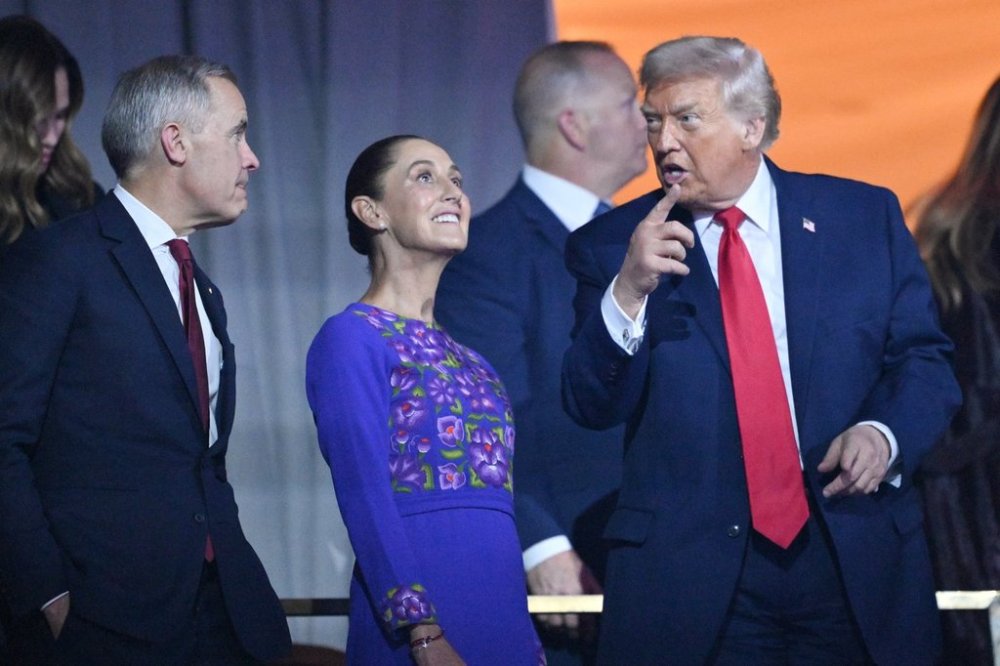
Analysts say the real motivation is ongoing negotiations with Washington, Mexico’s most important trading partner. Sheinbaum has been trying to find relief from remaining tariffs imposed on Mexican imports by the Trump administration, which has accused China of using Mexico as a backdoor into the U.S. market.
Tariff increases of as much as 50% will affect textiles, shoes, appliances, cars and auto parts among other things beginning in January.
China will be the most affected as Mexico imported $130 billion worth of products from the country in 2024, second only to the what Mexico bought from the United States. The Chinese government was critical of the proposed tariff increases when they were announced in September.

“The real reason has to do with the United States, it has to do with the review of the USMCA (free trade agreement) that is coming up, with the negotiations to obtain reductions, exemptions from the tariffs that Mexico is facing at this moment to access the U.S. market,” said Oscar Ocampo, director of economic development at the Mexican Institute for Competitiveness. Mexico still faces U.S. tariffs on the automotive sector, steel and aluminum.
But Ocampo said Mexico was bending to an unpredictable U.S. President Donald Trump and changing its commercial policy “in the wrong direction.” He said the government was creating problems for a number of sectors, including auto parts, plastics, chemicals and textiles, because the tariffs will create disruptions in supply chains and could push inflation up at a time when the economy is slowing.